Sri Lanka enters 2026 in a curious state of suspended animation. The numbers are improving, the language of governance has stabilised, and the word “collapse” has quietly exited official briefings. Yet no one living through the last six years seriously believes the country is out of danger. The more honest question is not whether the economy is recovering, but how much more it can absorb before recovery gives way to exhaustion.
This is not abstract pessimism. It is empirical memory.
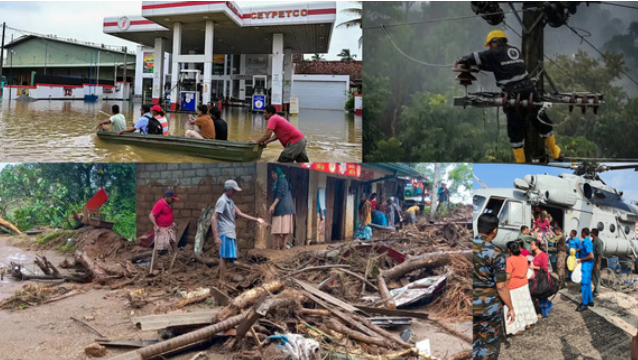
In the span of six years, Sri Lanka has endured the Easter Sunday bombings, a global pandemic, an economic implosion that forced a sitting president to flee office, and most recently Cyclone Ditwah — a climate shock that laid bare the fragility of infrastructure, agriculture, and disaster preparedness. These were not minor tremors. They were systemic stress tests, administered one after the other, with barely time to repair the cracks in between.
To its credit, the state did not fold after the 2022 collapse. Under the watch of the International Monetary Fund, macro-economic order was re- imposed. Fiscal discipline returned. Revenue collection improved. Inflation was dragged back from the brink. Foreign exchange inflows stabilised, even posting occasional surpluses. On paper, the patient is no longer in intensive care.
But paper has never flooded a village, rebuilt a road, or paid a food bill.
Cyclone Ditwah should have been a wake-up call. Instead, it risks becoming just another footnote in a familiar narrative: resilience celebrated, vulnerability deferred. The economic damage — to crops, supply chains, public finances — will not be neatly captured in quarterly growth figures.
What it does reveal is more uncomfortable: Sri Lanka’s recovery model still assumes the absence of shocks, in a region and era where shocks are becoming the norm.
This is the central contradiction confronting the government led by Anura Kumara Dissanayaka. The administration speaks the language of reform and discipline, and rightly so.