They can afford the direction. They can’t afford the slogan—at least not as a literal, absolutist promise.
“Zero plastic” is the kind of phrase that sounds wonderful at a sustainability forum and collapses the moment Housekeeping asks where to get 300 replacement shampoo bottles by 6 p.m.
A more honest—and more implementable—target is: “Zero single-use plastic” (or “eliminate unnecessary plastic + shift the rest to circular systems”). That’s the language the global tourism industry has been moving toward through initiatives like the Global Tourism Plastics Initiative.
Why many hotels feel they can’t (yet)
1) Cost and procurement reality
Sri Lankan hotels—especially mid-market and small properties—run on thin margins and unpredictable cash flow. Swapping out plastic isn’t just “buy paper straws.” It often requires: new dispensers (bulk amenities), refill logistics, hygiene SOPs, supplier vetting and reliable local alternatives packaging changes across F&B, housekeeping, laundry, minibars, banqueting Those costs are real and upfront. And when the rupee, import availability, and purchasing terms fluctuate, “green upgrades” are the first to be postponed.
2) The waste system outside the hotel gate is weak Even a well-meaning hotel can end up doing “plastic- free theatre” if the broader waste chain can’t: separate, collect, and recycle consistently
enforce standards, stop leakage into waterways and beaches
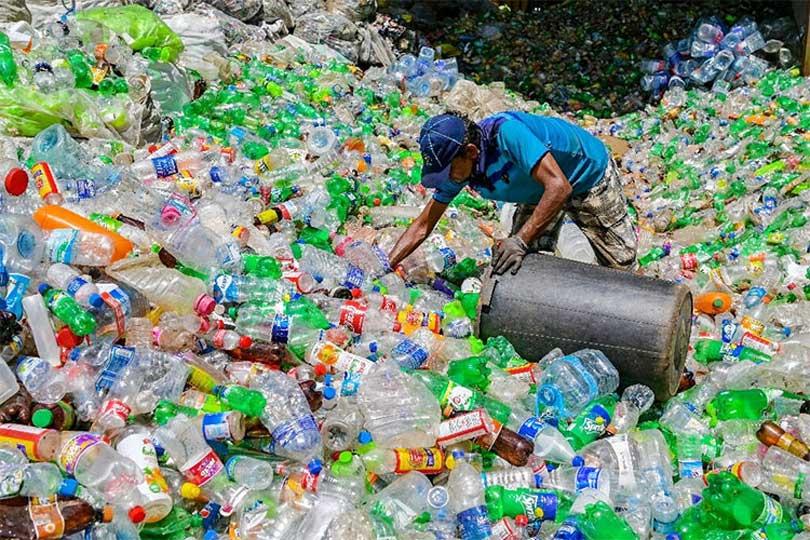
Sri Lanka has taken steps via bans and restrictions on certain single-use plastics, but policy alone hasn’t solved the waste stream—research points out that single-use plastics still dominate the plastic waste mix.
3) Guests want convenience, and hotels fear complaints
Some guests will praise you for glass bottles and refill stations. Others will complain: “Where’s my bottled water?” Sustainable travel sentiment is rising, but price sensitivity is also real. One global survey summary notes a sizeable share of travellers still think sustainable options cost too much, even as many say they’d pay extra for certified sustainable stays.
4) “Zero plastic” collides with health and compliance Certain plastics exist for safety: medical-grade packaging, food handling, back-of-house sanitation, and contamination prevention. Eliminating all plastic can be medically and operationally unwise. The smarter goal is to remove the junk plastic first— and redesign the rest.
Effects of Not doing it
1) You don’t just lose ‘green points’—you lose destination credibility
Sri Lanka sells beaches, marine life, and “unspoiled” nature. Plastic pollution undermines that brand in the most visual way possible: it’s not an academic statistic; it’s a photo on a beach walk.
ri Lanka’s own marine tourism planning literature explicitly flags plastic pollution as something that can affect the desirability of beach destinations (pointing to regional examples).
And the science is increasingly blunt: studies document significant plastic litter and microplastics along Sri Lanka’s coastline.
2) The X-Press Pearl shadow made plastic “Sri Lanka news,” globally
The X-Press Pearl disaster put Sri Lanka into the global plastics narrative in a way no tourism campaign ever would. The Supreme Court compensation order and the description of the spill’s scale are a reminder that marine pollution is not a side issue; it is an economic one.
3) Regulatory risk is trending upward
Sri Lanka’s policy direction is tightening: restrictions and controls on single-use plastics are expanding over time.
Hotels that do nothing aren’t standing still—they’re building future compliance costs and reputational exposure.
4) Tour operators and platforms are increasingly “filtering”
The global industry is standardising sustainability expectations through pledges and guidelines (GTPI, hotel chain commitments, etc.).
Even if Sri Lanka doesn’t “lose tourists tomorrow,” it risks being less selectable—especially in higher-yield markets.
Will it impact tourism figures? Will “not going zero” impede arrivals?
Not in a dramatic, overnight “tourists vanish” way.
Tourism demand is messy. People still visit polluted places if the price is right and the marketing is louder than the reality.
But here’s the real risk: you lose the premium and keep the volume.
And volume tourism—without infrastructure— creates more waste, more resentment, and lower yield per visitor.
So the likely impact is gradual but structural: Premium leisure and wellness travellers become harder to win consistently
Repeat visitation drops if beaches look tired
Sri Lanka competes more on discounting rather than distinctiveness
Plastic doesn’t necessarily kill tourism. It kills pricing power.
The practical answer: a “Zero Single-Use Plastic” policy that hotels can actually implement
If you want this to be real and not brochure poetry, do it in tiers:
Tier 1: Eliminate the obvious (0–6 months)
remove straws/stirrers on request only
shift to bulk dispensers for amenities (with hygiene SOPs)
end miniature single-use toiletries where feasible replace bottled water with filtered glass where safe (offer opt-out)
Tier 2: Fix procurement and measurement (6–18 months)
require suppliers to disclose packaging
measure plastic by category (kg/month or units/occupiedroom)
adopt reuse/refill for laundry bags, minibar items, takeaways
Tier 3: Destination-level systems (12–36 months) hotel cluster recycling partnerships with local councils
beach management and clean-coast standards verified certification (not self-awarded “eco badges”)
This aligns with the global tourism direction: reduce at source, redesign, then circularity—rather than pretending plastic can be wished away.
The blunt conclusion
Sri Lankan hospitality can’t afford a fake “zero plastic” vow.
But it also can’t afford business as usual—because plastic pollution is now a visible tax on the very product tourism sells.
So the winning posture is:
Zero single-use plastic (credible) Transparent metrics (measurable) Phased compliance (affordable)
And yes—done right—it won’t impede tourism.
It will protect the only thing Sri Lanka cannot import: a clean, believable island brand.