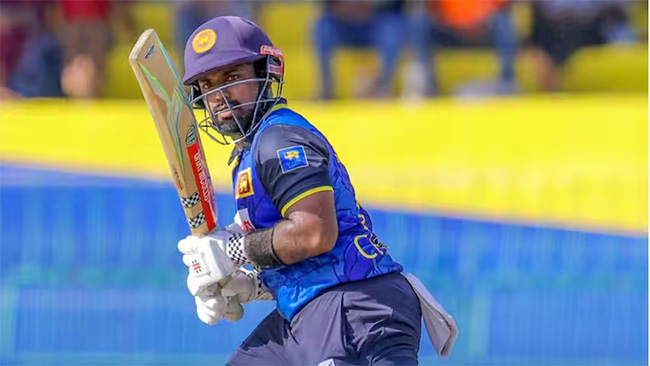
When Charith Asalanka finally fronted the media after being stripped of Sri Lanka’s T20 captaincy, what stood out was not anger, outrage, or wounded ego. It was restraint. No fireworks. No victimhood. Just a man determined to play with a straight bat after discovering, the hard way, that leadership in Sri Lankan cricket is rarely a gentle apprenticeship.
There was no bitterness in his tone. Instead, Asalanka sounded pragmatic, reflective — and keenly aware that emotions, once indulged, have a habit of becoming evidence.
This matters, because Asalanka was not a late arrival to leadership. He was bred for it. From Richmond College, Galle, through a golden age of school cricket that produced Wanindu Hasaranga, Kamindu Mendis and Dhananjaya Lakshan, Asalanka was always the one with the extra layer of composure. Titles followed. Expectations followed faster.
Under Roy Dias at Under-19 level, the message was clear: here was a player with talent, yes — but more importantly, with temperament. Leading Sri Lanka’s Under-19s to a series win in England merely confirmed what many already believed: this was a captain-in-waiting.
The transition to senior cricket did little to dent that reputation. In ODIs, Asalanka’s leadership coincided with something Sri Lanka had almost forgotten how to do — beat good teams. Series wins over Australia and India arrested a worrying decline and restored a measure of credibility to the 50-over side. Calm returned. Structure followed.
T20s, however, are a different beast. Less time. Less margin. Less patience from selectors, fans, and administrators who treat the format as both a lottery and a referendum. Here, Asalanka struggled. The Asia Cup exposed fault lines: questionable bowling changes, conservative instincts, and — more damagingly — the perception that he trusted a core group too much and the bench too little.
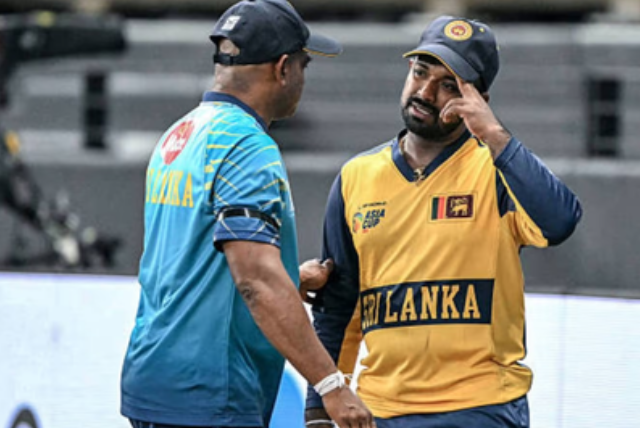
In Sri Lanka, perception is often half the verdict.
The situation finally unravelled in Pakistan, when players — despite assurances from both boards — demanded an early return home. Asalanka was widely painted as the ringleader. Whether fair or convenient, the outcome was inevitable. He was recalled. The armband was removed. A message was sent.
There is little doubt that Asalanka, at that point, had begun to look a touch too comfortable in authority. But cricket, like life, rarely offers clean morality plays. There are no permanent villains, only poorly timed decisions.
What matters now is what follows.
Asalanka has continued to do the one thing that ultimately keeps careers alive: score runs. He has scripted multiple come-from-behind ODI victories, thriving in situations where panic is fashionable and calm is rare. His ability to navigate pressure chases — eyes steady, tempo controlled — remains unmatched in the current setup. That he is Sri Lanka’s sole representative in the ICC’s top ten ODI batters is not a statistic to be brushed aside. It is a statement of consistency and temperament.
Which brings us to the uncomfortable conclusion: Sri Lanka would be foolish to confuse a T20 leadership stumble with a broader failure of character or capability.
Asalanka has paid his dues. What he now deserves is clarity — and backing — at least in the ODI format. Leadership is not about popularity contests or appeasing dressing rooms. It is about direction, discipline, and the ability to absorb blame without losing purpose.
If Asalanka can recalibrate — lead by destiny rather than by consensus — Sri Lanka may yet reap rich dividends. Cricket, after all, rewards those who understand timing.
And in Sri Lankan cricket, the long game has always mattered more than the noise between overs.