There was a time when the Western alliance moved with the confidence of a single orchestra. When Washington spoke, Europe did not merely listen – it followed. NATO’s purpose was clear, the Cold War provided the script, and the Atlantic alliance marched in step under a shared understanding of security and power.
Today the music sounds rather different.
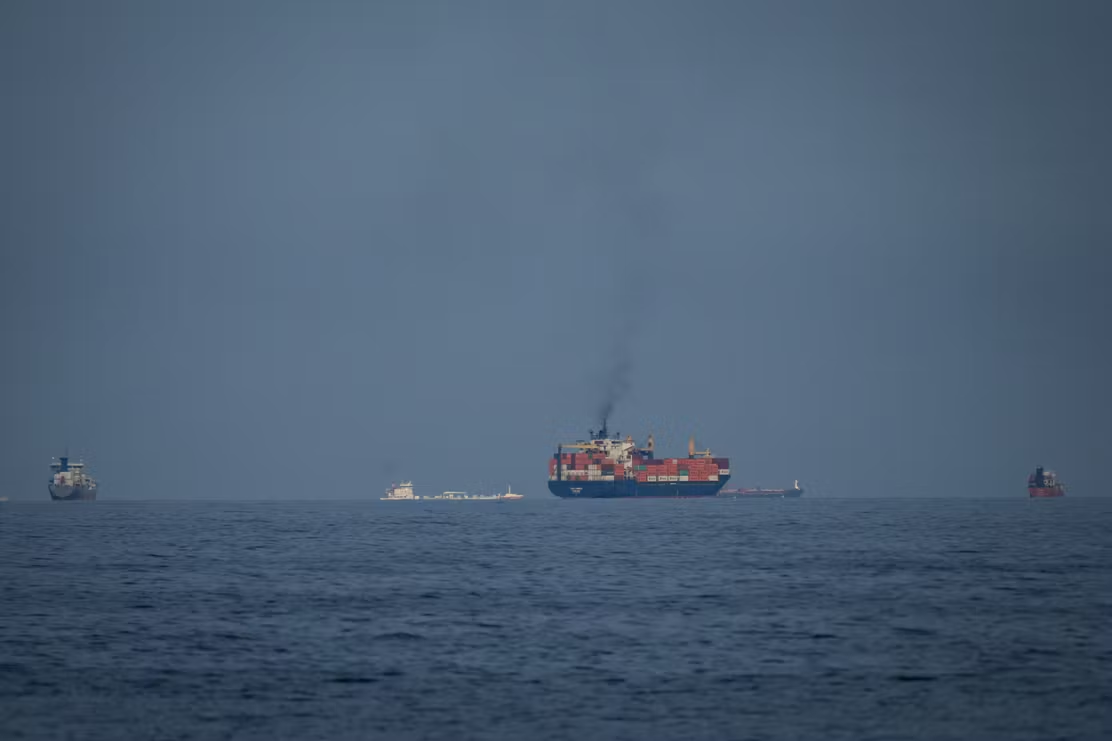
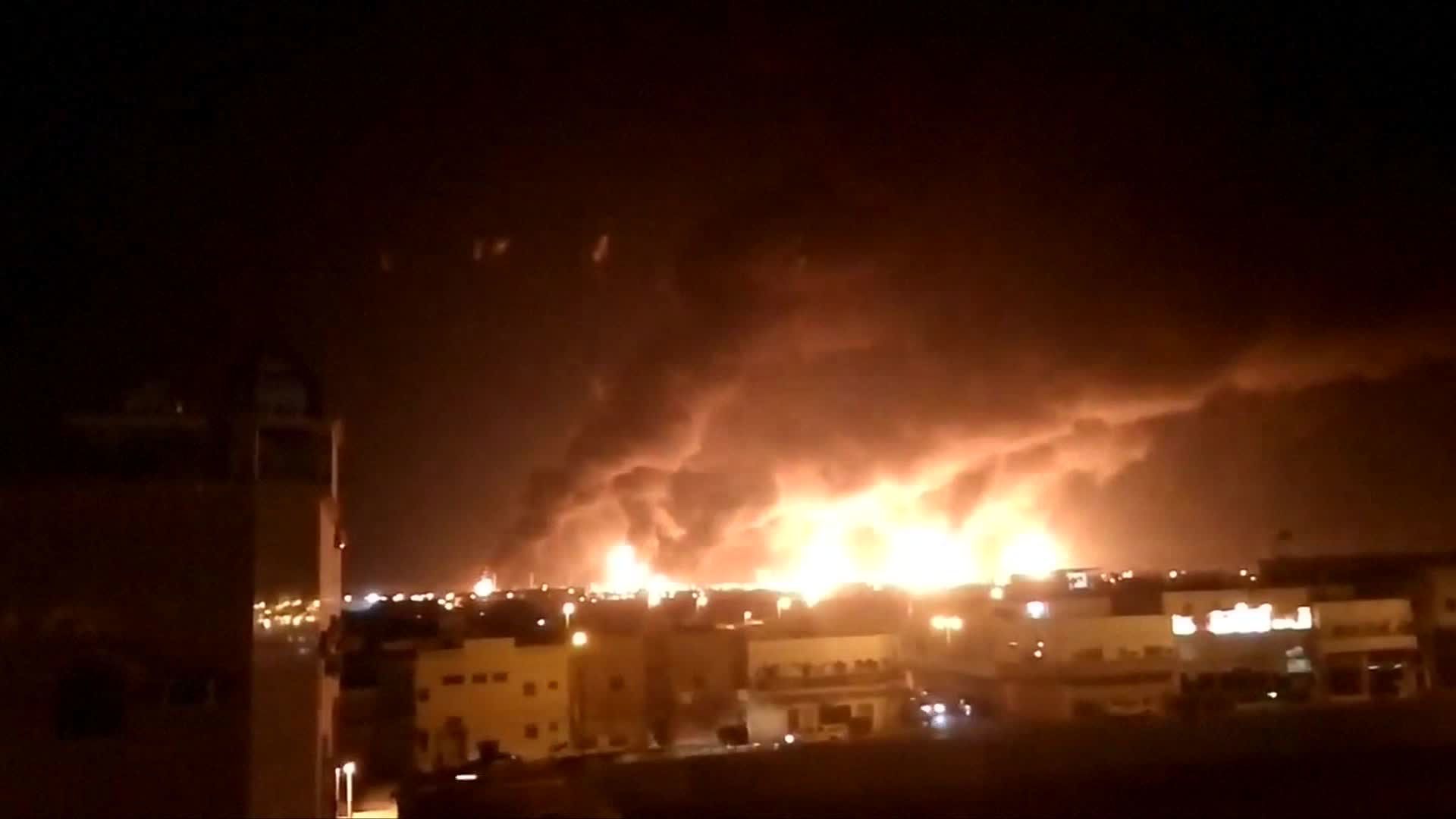
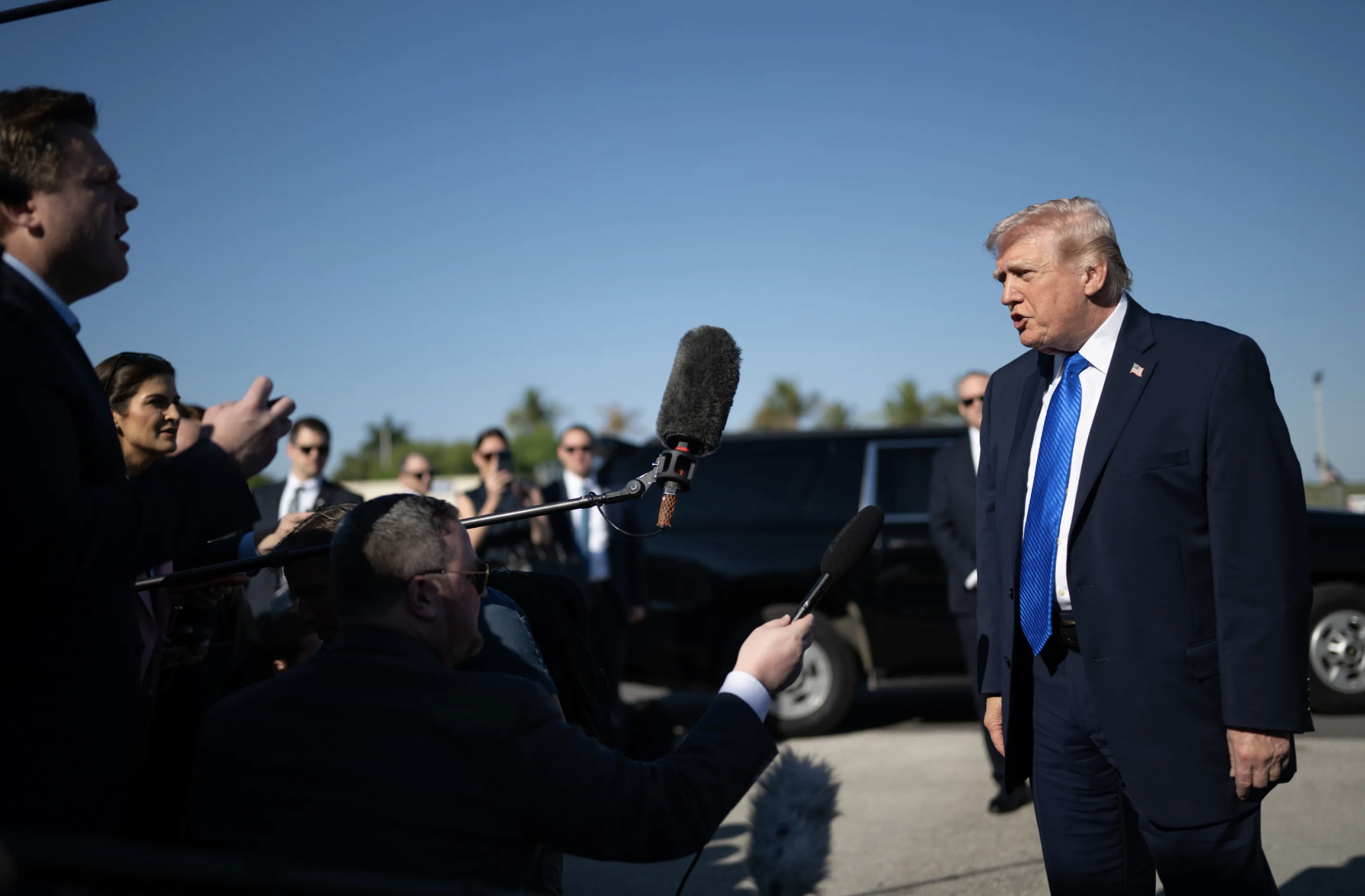
In the midst of the escalating crisis in the Gulf and the mounting tensions around the Strait of Hormuz, former U.S. President Donald Trump has called on allied nations to assist in securing the vital waterway and protecting global energy flows
Yet Europe has responded not with enthusiasm but with hesitation.
Several European governments – including Germany, Spain and Italy – have signalled reluctance to deploy naval assets into what they increasingly view as an American- led confrontation with Iran. Others speak cautiously of “de-escalation,” diplomatic solutions and the dangers of widening the conflict.
The result is a curious spectacle: an alliance that once prided itself on unity now appearing divided over the most fundamental question of collective security.
In the corridors of Brussels and the capitals of Europe, the concern is clear. Many leaders fear that direct involvement could draw their countries into a conflict whose consequences are difficult to predict and even harder to contain.From Washington’s perspective, however, the argument appears simple enough. If the free flow of global energy is threatened, surely the responsibility of defending it must be shared among the nations that benefit from it.
Be that as it may, the emerging reality looks less like a coalition of the willing and more like a coalition of the unwilling – reluctant allies calculating the risks of war in an increasingly uncertain world.
What this moment reveals is perhaps something deeper than a temporary disagreement. It hints at a shifting global order in which the old assumptions of transatlantic solidarity no longer hold quite as firmly as they once did.
And as the ships continue to navigate the narrow waters of Hormuz, the wider question remains unresolved: in a world of rising tensions and fractured alliances, who truly carries the burden of maintaining order?
HORMUZ AND THE HESITANT ALLIANCE
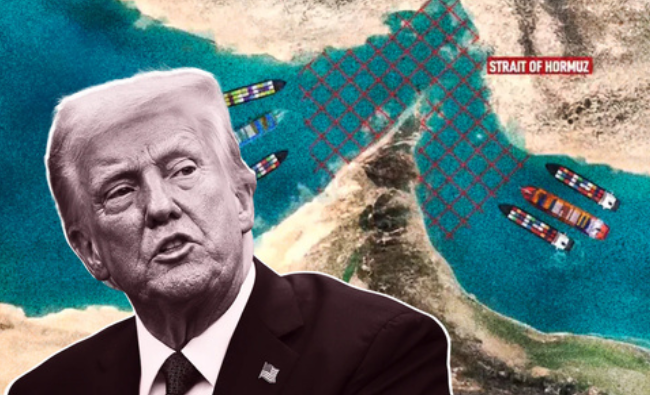
There was a time when a call from Washington would have been met in Europe not with hesitation, but with mobilisation. The Atlantic alliance moved with a sense of shared purpose, anchored in a common understanding of threat and response.
Today, the waters of the Strait of Hormuz tell a rather different story.
As Donald Trump urges allies to join in securing one of the world’s most vital energy corridors, Britain and its European partners have responded with caution – measured, deliberate, and notably restrained.
The language from European capitals is careful. This is not framed as defiance, but nor is it endorsement. The underlying message, however, is unmistakable: this is not, in their view, a conflict to be entered lightly, nor one to be defined solely by American urgency.
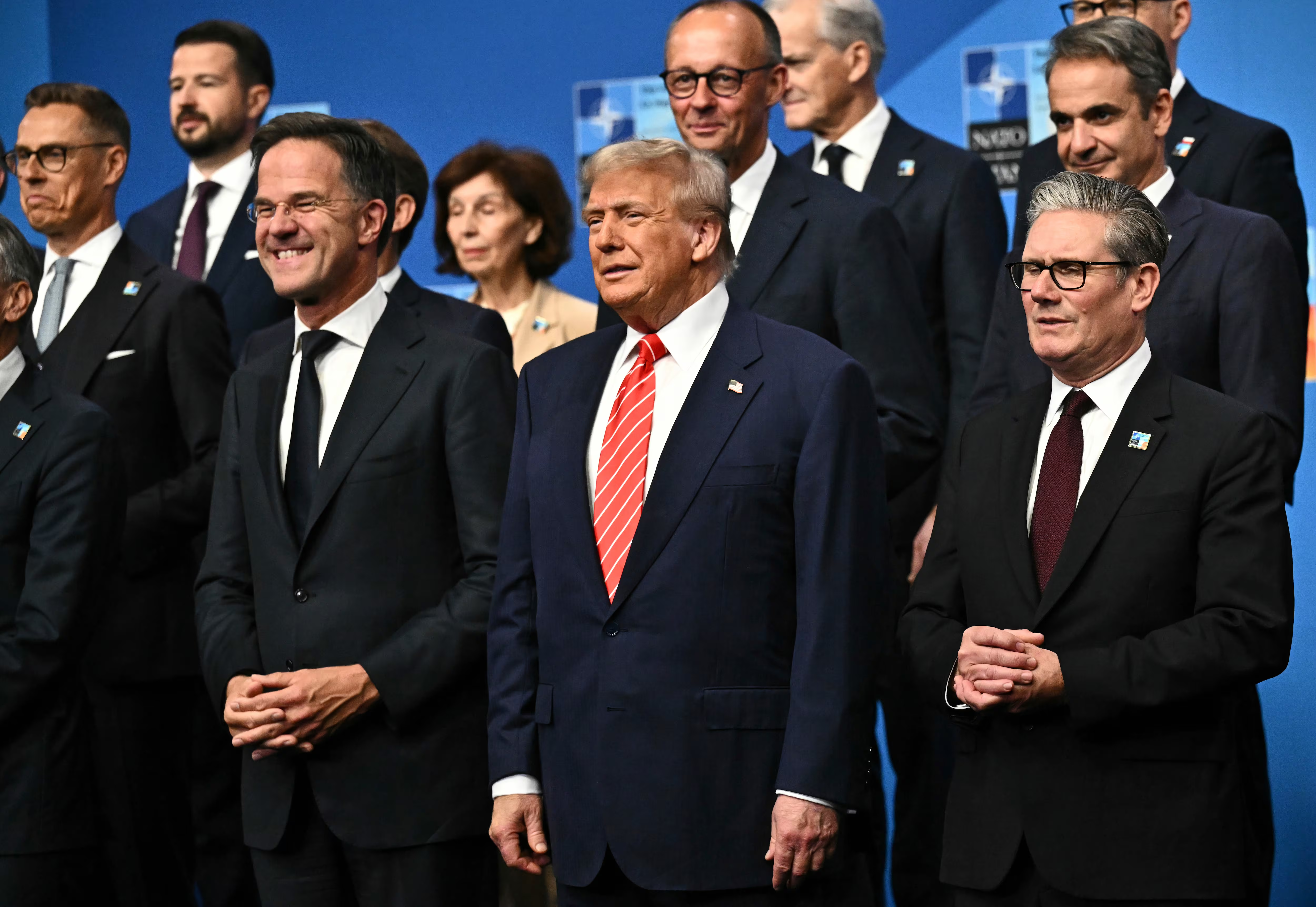
Prime Minister Keir Starmer’s position reflects this balance. Support for maritime security is affirmed, but participation in a widening conflict is approached with visible reluctance. Others across Europe have gone further, declining outright to commit naval forces.
Be that as it may, what emerges is not merely a tactical disagreement, but something more structural.
NATO, long seen as the embodiment of Western unity, now appears to be navigating a moment of quiet divergence. The alliance is not fracturing – but neither is it marching in step.For Europe, the question is one of consequence: what is the objective, and where does it end? For Washington, the expectation remains one of shared burden. And so the ships continue to pass – cautiously – through Hormuz.
But the alliance that once secured such passages with certainty now finds itself pausing, reflecting, and perhaps redefining what collective action truly means.