Inflation is back in the conversation—not as the monster it once was, but as the quiet reminder that “recovery” does not mean “relief.”
Sri Lanka’s Colombo Consumer Price Index is reported to have risen 2.3% year-on-year in January 2026, up from 2.1% in December. On paper, this looks tame compared to the inflation horror years. In lived reality, even small increases matter when household budgets are already trimmed to the bone.
Here’s why this number trends: it’s not just a statistic; it’s a mood indicator. When inflation edges up, people ask whether the hard-won stabilisation is holding or whether the old volatility is returning in a new outfit.
To be clear: 2.3% is not runaway inflation. But the direction of travel is what makes people nervous. Sri Lanka has learned—painfully—that inflation doesn’t arrive with a drumroll; it arrives in increments, then accelerates. This is why central banks obsess over expectations. Once the public believes prices will rise, behaviour changes: hoarding, price hikes “just in case,” and a chain reaction where fear becomes fuel.
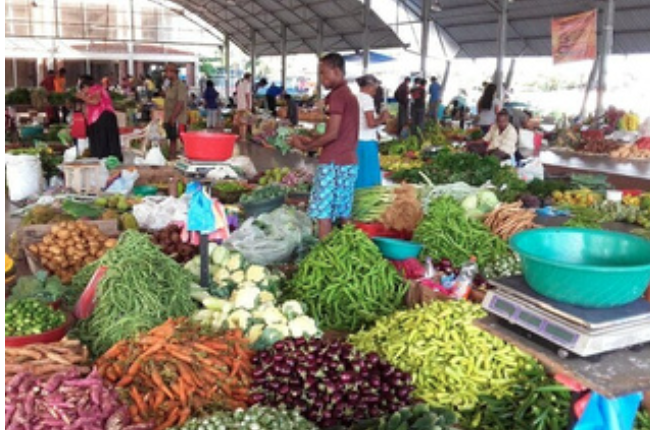
The Central Bank’s stated aim is to keep inflation around 5%, and today’s figure sits below that. But the pro-people question is not what’s “acceptable” in macro theory—it’s what’s happening at the market, the pharmacy, the school expenses list, and the transport cost. A low headline inflation number can still coexist with intense pressure on essentials, depending on what’s rising and what’s not.
This is where policymakers must stop treating inflation like a PowerPoint line graph and start treating it like a daily tax on the poor. The wealthy hedge. The middle class adjusts. The vulnerable absorb—until they can’t.
If inflation begins to creep, the response cannot be “don’t worry, it’s only 2.3%.” That’s the kind of sentence that sounds rational in a boardroom and insulting in a kitchen.
The most useful thing government can do now is targeted: keep essentials competitive, enforce fair trading, avoid sudden administered price shocks, and communicate honestly. People can tolerate difficulty. What they cannot tolerate is being talked down to by statistics.