When Mixed Signals Risk Undermining Reform
There is an inevitability to what Sri Lanka is now experiencing. When a government elected on a promise of sweeping reform begins to govern, it collides not with theory, but with reality. The result is rarely linear. Policies evolve, positions shift, and statements are recalibrated. Yet, when these shifts begin to appear inconsistent, the question arises: is this transition, or is this confusion?
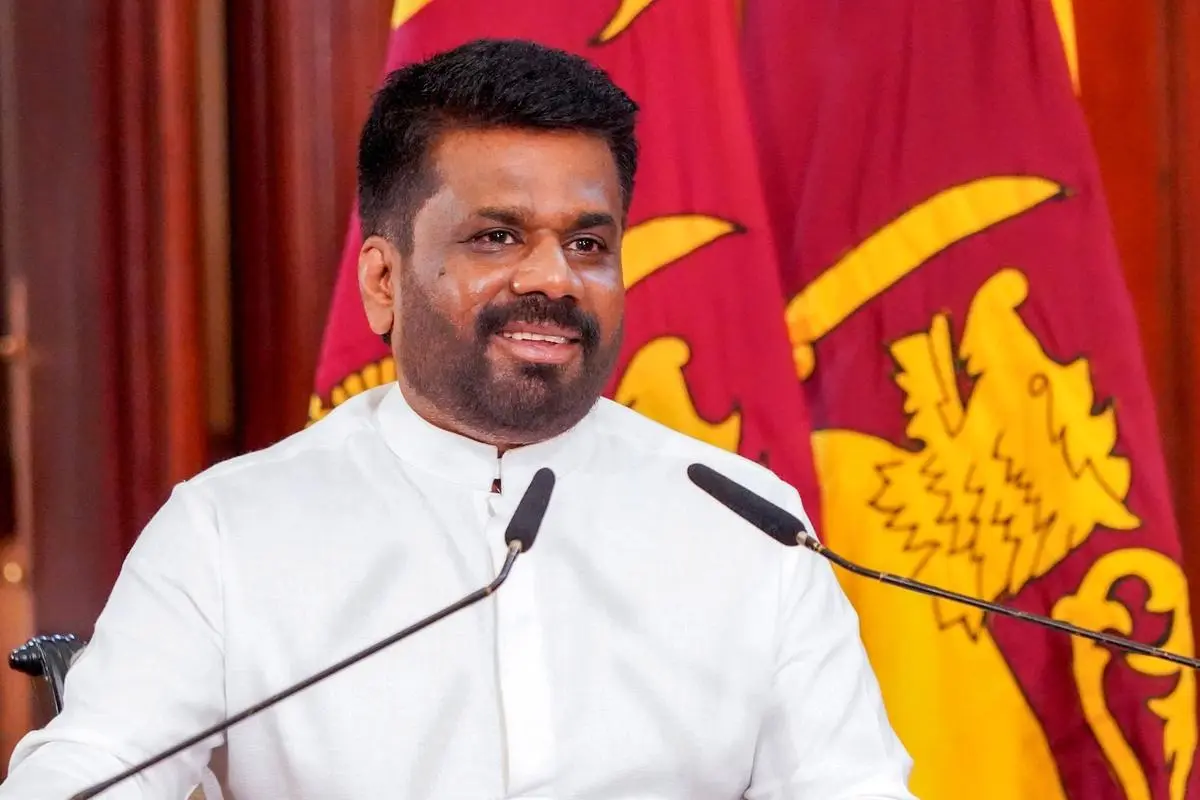
The administration of Anura Kumara Dissanayake has entered precisely this phase. In recent weeks, signals on key economic issues – fuel pricing, state enterprise restructuring, taxation, and cost-of-living adjustments – have appeared, at times, to move in different directions. One arm of government projects firmness; another signals caution. To the public and to markets alike, the effect is not nuance. It is uncertainty.
This matters more than it may seem. Sri Lanka is not operating in a vacuum. It remains tethered to a fragile recovery path shaped by debt restructuring commitments and ongoing engagement with the International Monetary Fund. In such an environment, consistency is not a luxury. It is a requirement. Markets price risk not only on policy, but on the clarity of that policy. Investors do not wait for eventual alignment; they respond to present ambiguity.
To be clear, not all apparent inconsistency is deliberate. Governments undertaking structural reform often recalibrate in real time. Ministries may not always move in perfect synchrony. Political messaging may, at times, diverge from economic necessity. These are not unique to Sri Lanka. They are features of governance under pressure. But when these signals accumulate without clear explanation, perception hardens into doubt.
And perception, in economics, is reality.
There is also a more uncomfortable possibility. That ambiguity is, at times, allowed to persist. Not as a long-term strategy, but as a short-term buffer – to delay backlash, to test reactions, to create room for manoeuvre. If so, it is a dangerous game. Tactical ambiguity may buy time, but it spends trust. And trust, once eroded, is costly to rebuild.
Sri Lanka’s recent history offers little tolerance for such erosion. The economic crisis was not merely a failure of numbers. It was a collapse of credibility. Promises were made, signals were mixed, and confidence evaporated. The recovery that followed has been built, painstakingly, on restoring a degree of predictability. That foundation cannot be taken for granted.