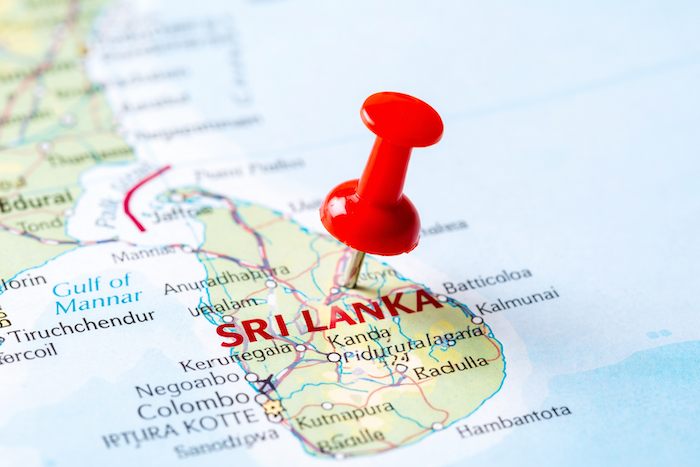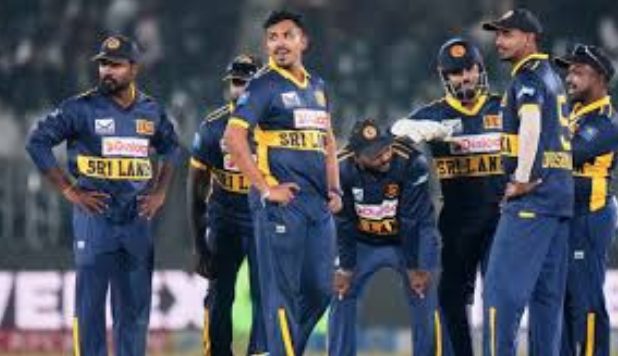
Cricket in Sri Lanka has always been more than sport; it is a moving national event, complete with emotion, memory, and occasionally, geopolitics. That reality is once again evident as Sri Lanka steps up security preparations linked to the T20 World Cup, particularly in relation to matches involving India and Pakistan — fixtures that carry baggage well beyond the boundary rope.
On social media, the story has been framed in familiar ways: some celebrate Sri Lanka’s role as a neutral, reliable host; others ask whether the country is quietly being drawn into a security theatre not of its making. Both instincts are understandable.
Sri Lanka has hard-earned experience in managing large international events under heightened alert, and cricket — especially when subcontinental rivals are involved — is never just about cricket.
Officials have stressed that the enhanced measures are precautionary, not reactive. That distinction matters. In a post-conflict country still sensitive to the optics of militarisation, the sight of visible security at sporting venues can reassure some while unsettling others.
The messaging, therefore, has been as important as the measures themselves: calm, professional, and deliberately un-dramatic.
At the same time, cricket fans online are following another strand of the story — Sri Lanka’s Under-19 World Cup campaign, which has been quietly commanding attention.
In a digital ecosystem that thrives on instant outrage, youth cricket offers something refreshingly linear: results, performances, and scorecards. It is perhaps telling that while senior cricket administration often attracts criticism, the U-19 side’s discipline and competitiveness have been met with largely positive sentiment.
The intersection of sport and security also raises a broader question rarely articulated in public debate: what role does Sri Lanka want to play in regional sporting geopolitics?Hosting, facilitating, and safeguarding high- profile matches enhances international credibility — but it also places the country under scrutiny. Every checkpoint becomes symbolic; every misstep magnified.
On social media, reactions have ranged from pride to predictable cynicism. Some ask whether the resources could be better spent elsewhere; others point out that international sport, like diplomacy, carries obligations as well as opportunities. The truth, as usual, sits somewhere in between.
For now, Sri Lanka appears to be doing what it does best in such moments: keeping the show running, keeping the tone steady, and hoping that the cricket — rather than the security arrangements — remains the headline.