Private fuel retailers say selling diesel at the present regulated price could cost them as much as Rs 160 a litre as international fuel, freight, insurance and security costs surge. Some stations have already run short. Sri Lanka may be discovering very quickly that a pricing formula works beautifully until the world changes faster than the formula.
Sri Lanka’s fuel market is beginning to show the first physical signs of the international energy shock.
Private fuel retailers have reduced diesel supplies to parts of their networks, with some filling stations reportedly running dry as operators argue that the present pricing structure no longer reflects the extraordinary increase in the cost of getting fuel to Sri Lanka.
Submit Your Press Release
Get your company news, announcements, launches, appointments and events in front of a wider audience.


The numbers explain the anxiety.
Private operators are claiming that, at current international prices and associated costs, they could face losses of as much as Rs 160 on every litre of diesel sold at the existing regulated retail price. It is not merely the price of the petroleum product that has changed. Freight, insurance and security costs have also risen as instability surrounding the Strait of Hormuz feeds directly into the economics of moving oil.
Energy Minister Anura Karunathilaka said yesterday that the Government was considering the available options as part of its fuel-price review.
That review has suddenly become rather more important than an exercise in adjusting numbers on a spreadsheet.
Sri Lanka’s fuel-pricing mechanism was designed in part to prevent the enormous hidden subsidies and accumulated losses that helped cripple state finances in the past. Consumers therefore cannot reasonably expect the Treasury permanently to absorb every increase in international oil prices.
But neither can a functioning fuel market operate indefinitely if retailers genuinely lose substantial sums on every litre they sell.
The Government consequently faces three unpleasant possibilities: allow prices to rise, absorb some portion of the additional cost, or devise an interim mechanism capable of keeping private suppliers operating until international conditions stabilise.
There is also a fourth possibility.
Do nothing and discover what happens when filling stations stop receiving enough diesel.
Sri Lanka has already lived through that experiment.
The queues of 2022 are still recent enough to require no history lesson. Fuel shortages did not merely inconvenience motorists. They paralysed transport, disrupted businesses, damaged agriculture, closed schools and became one of the most visible symbols of a state that had run out of economic road.
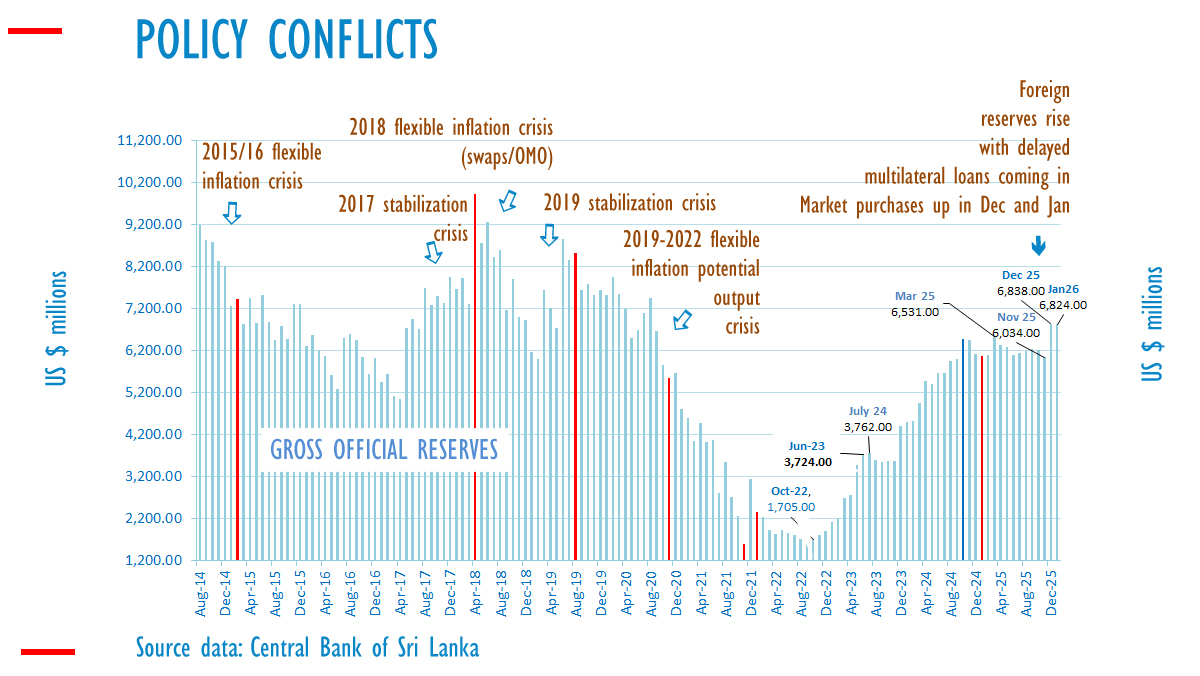
The circumstances today are very different. Sri Lanka has substantially rebuilt its foreign reserves, the financial system is functioning and there is no suggestion that the country has returned to the foreign-exchange catastrophe of four years ago.
But oil above US$100, instability around Hormuz and sharply higher shipping and insurance costs are exactly the sort of external shock for which those rebuilt buffers exist.
The immediate question is therefore not whether Sri Lanka has fuel.
It is whether the commercial mechanism for getting that fuel from the international market, through the importer, into the filling station and eventually into a vehicle continues to make economic sense.
If it does not, the Government needs to fix it quickly. Because motorists do not queue outside pricing formulas.
They queue outside filling stations.