
Parents protesting education reform should surprise no one. Education policy is not abstract—it shapes futures. When reform is imposed without clarity, resistance is inevitable.
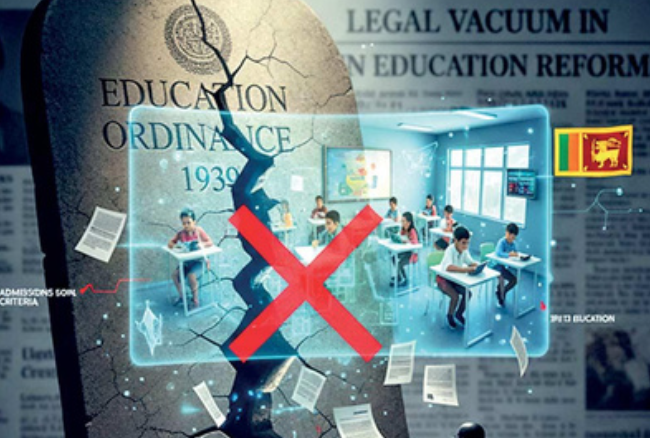
The Grade 6 reforms may be well-intentioned. They may even be necessary. But reform without explanation is disruption, not progress.
Parents are asking basic questions:
What exactly has changed?
Why now?
How will this affect assessments and progression?
These questions have not been answered consistently. Information arrives late, fragmented, or through rumour—never a good foundation for trust.
Sri Lanka’s education system is deeply tied to social mobility. Uncertainty triggers fear, not ignorance. Officials often misread this as conservatism The familiar pattern repeats: policy announced to stakeholders rather than developed withthem. Consultation is promised, then replaced by circulars.
The irony is that reforms meant to modernise education are undermined by outdated governance habits: opacity, defensiveness, and impatience with dissent.
Parents are not rejecting reform itself. They are rejecting uncertainty imposed without dialogue.
Education reform cannot succeed by decree. It requires trust. Trust requires transparency.
If this reform falters, it will not be because parents resisted change. It will be because communication failed.
The question Newsline asks is simple:
Is this reform designed around students—or merely administered to them?