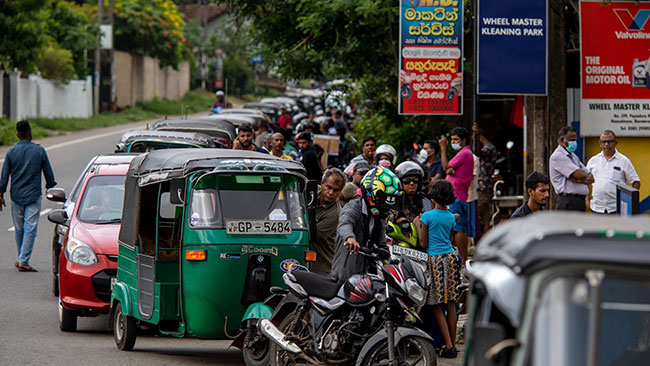
Perhaps the most telling sign of the current moment is this: even the future is being rationed. Authorities have advised electric vehicle owners to limit charging during peak hours, an extraordinary development in a world that has long promoted electrification as a solution to energy dependence. The irony is difficult to ignore.
Technologies once heralded as the answer are now subject to the same constraints as the systems they were meant to replace. Be that as it may, the message is clear. Energy, in all its forms, is scarce.
And scarcity demands prioritisation. The broader impact extends beyond individual behaviour. It touches on policy direction, investment planning, and public confidence. If even alternative energy usage must be curtailed, what does that say about system capacity? And what does it imply for future transitions?
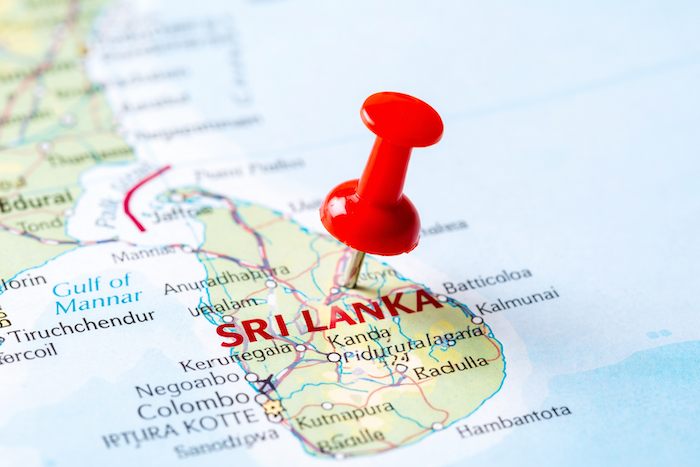
Sri Lanka, like many countries, is navigating a complex path between immediate necessity and long-term ambition. The present crisis forces difficult choices. Yet it also offers a moment of clarity. Energy security is not a single solution – it is a system. And until that system is robust, every solution remains vulnerable.
Even at this stage where the present crisis in the Middle East has highlighted the vulnerability of economies such as in Sri Lanka, the time is more than nigh for Sri Lanka to make definitive steps towards pre electric vehicles. It is more than a thought: it must be actioned.