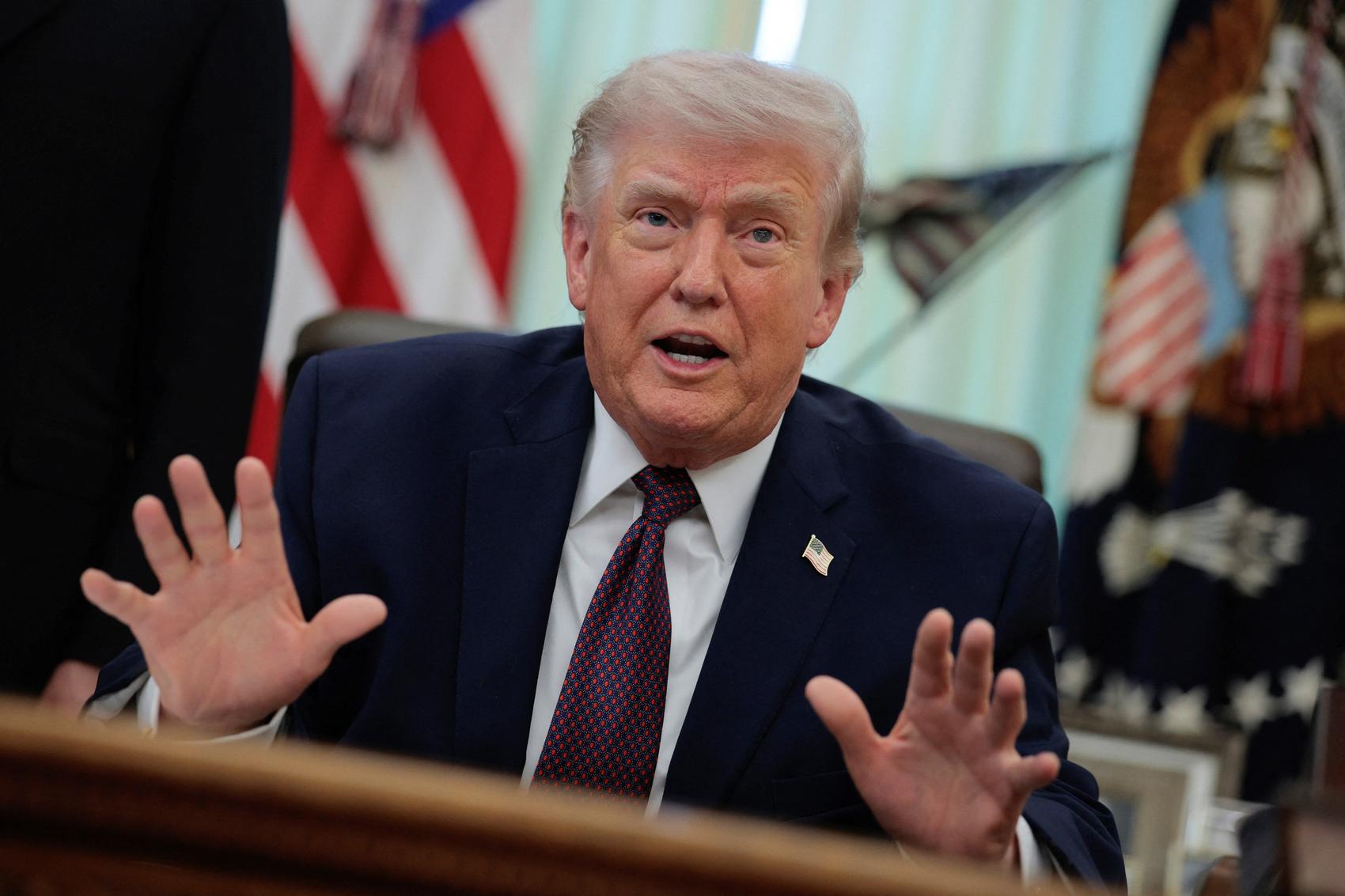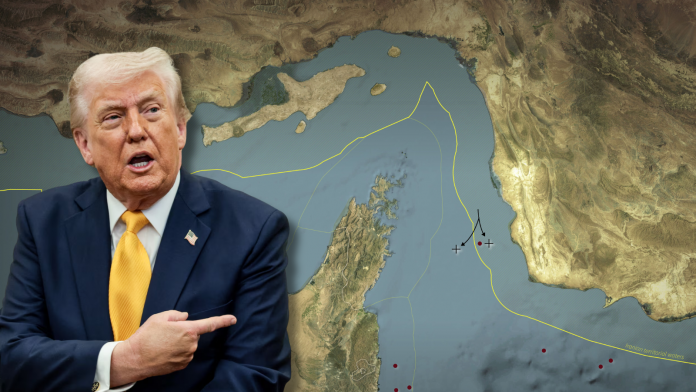
Europe’s latest response to the Middle East war is no longer passive discomfort. It is active distancing. French President Emmanuel Macron said today that opening the Strait of Hormuz by force is “unrealistic,” directly countering Trump’s demand that allies should effectively go and do it themselves.
Macron argued that any military operation would expose shipping to Revolutionary Guard attacks and ballistic missile threats, and said reopening the strait can only happen through consultation with Iran. This is not a minor policy disagreement. It is a clear rejection of Trump’s preferred method.
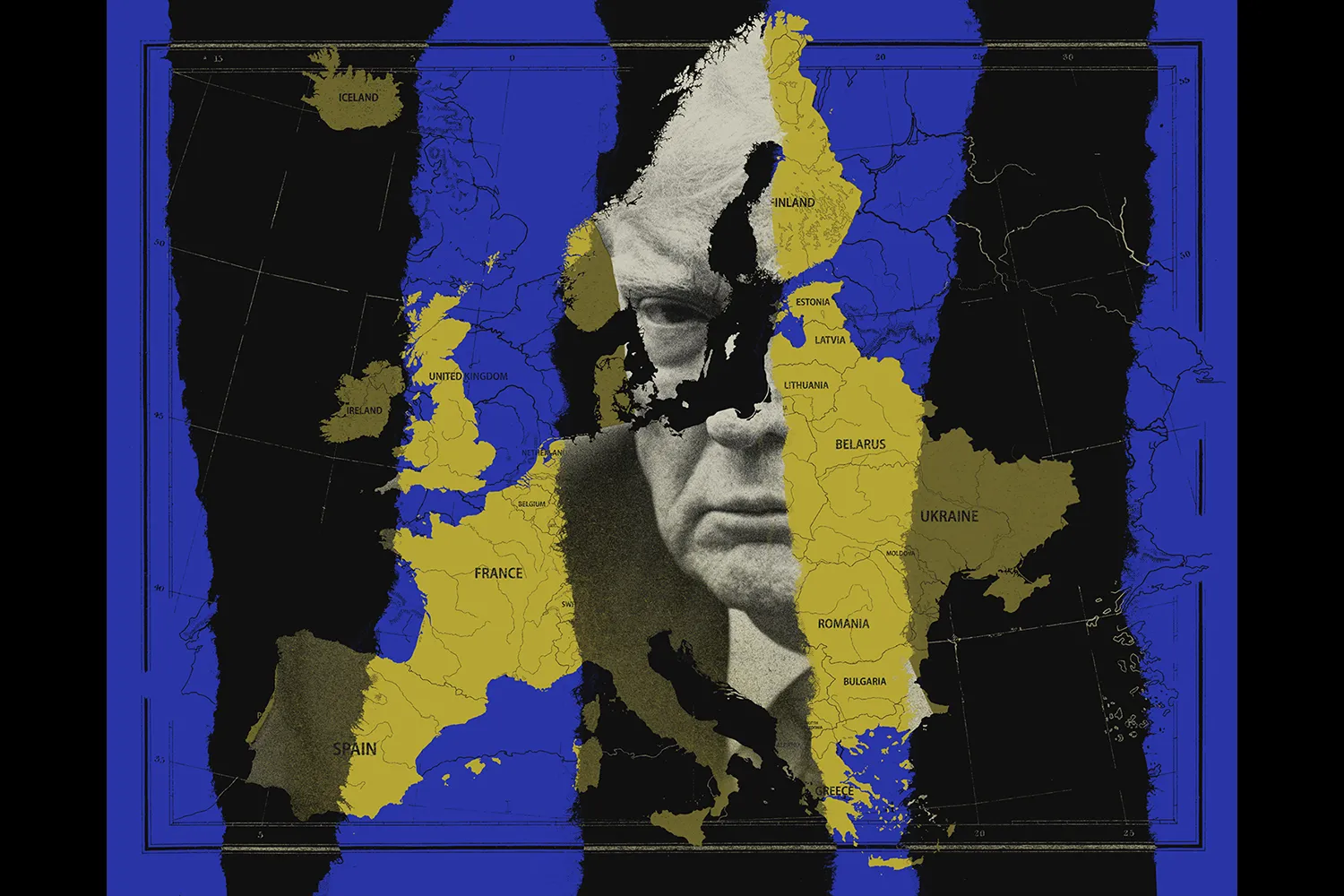
That rejection sits inside a larger European mood: frustration with American volatility and growing concern that Washington is treating alliance as leverage rather than partnership.Macron was unusually direct on Trump’s repeated threats to pull the U.S. out of NATO, saying alliances derive their strength from trust and that daily doubt hollows out their substance. In effect, Europe is now saying that the biggest risk is not only Iran’s behavior, but America’s unpredictability.
At the same time, Europe is not yet moving as one coherent bloc. There are still splits over how far to go, what legal basis any future Hormuz mission would require, and how much military exposure European capitals are willing to accept.
The Guardian’s Europe coverage today shows those fractures plainly, from Macron’s pushback to Viktor Orbán’s opportunistic call to lift sanctions on Russian energy amid the Gulf shock. That is Europe’s old problem returning in a new crisis: common interests, but uneven instincts.
Still, the direction is now visible. Europe is trying to avoid being dragged into Trump’s war logic while preparing for the economic consequences if Hormuz stays disrupted. That is a very different posture from following Washington by reflex.
It suggests that even if the Atlantic alliance formally survives this crisis, the political chemistry inside it is changing in real time. Europe is no longer merely asking whether America will lead. It is asking whether America can still be relied upon at all.