Sri Lanka anticipates economic growth exceeding 5% in the coming year, matching this year’s pace and surpassing projections from the International Monetary Fund (IMF). This outlook is attributed in part to reconstruction efforts following Cyclone Ditwah, according to a senior government minister.
The cyclone struck Sri Lanka in late November, resulting in nearly 650 fatalities and impacting approximately 10% of the nation’s 22 million residents. The disaster caused extensive damage to infrastructure, agriculture, and tea estates, with reconstruction costs estimated at up to $7 billion. This comes as the country continues its recovery from the economic crisis of 2022.
Sri Lanka has been receiving financial assistance under an IMF bailout program, while additional emergency aid has been pledged by international organizations and foreign governments in response to the cyclone—the country’s most devastating natural disaster since the 2004 tsunami.
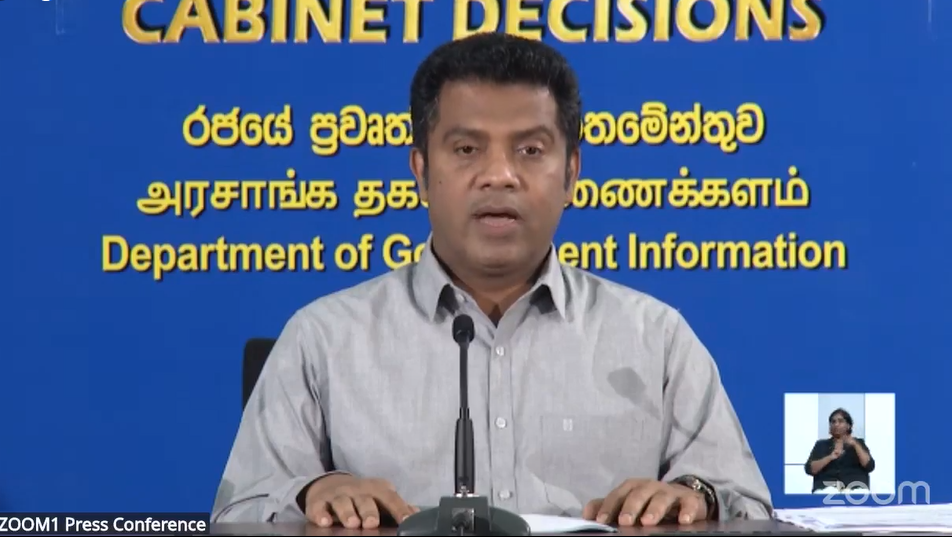
Earlier this month, the Asian Development Bank committed $200 million, and the World Bank pledged $120 million in support. The IMF is expected to approve Sri Lanka’s request for $200 million in emergency funding on Friday, according to Deputy Minister of Finance and Planning Anil Jayantha Fernando.
“With the quick response, support from agencies, and existing development programs, I don’t think growth would be significantly hampered,” Fernando told Reuters.
“Rather, it would increase—perhaps new investments will come for reconstruction and infrastructure repair. Even from a technical perspective, growth is likely to rise further,” he added.
Fernando projects more than 5% economic growth this year, surpassing the central bank’s estimate of 4.5%, based on data from the first three quarters. He expects a similar rate of growth next year, whereas the IMF forecasts 3.5% growth for 2025 and 3.1% for the following year.
To support reconstruction efforts—such as repairing homes, restoring infrastructure, and rebuilding livelihoods—the government plans to reallocate funds from other sectors, utilize tax revenues, and seek further international support.
Fernando noted that Parliament is expected to approve 500 billion rupees ($1.6 billion) in supplementary spending during sessions on Friday and Saturday. This spending will be partially funded through the reallocation of ministry budgets.
In addition, 1.4 trillion rupees ($4.6 billion) have been set aside for capital expenditure in 2026, with a portion earmarked for post-cyclone reconstruction projects. The government also intends to host a donor conference in mid-January to secure further funding as damage assessments continue.
Foreign investment is expected to play a significant role in the recovery process. Fernando stated that an agreement with Chinese state energy company Sinopec for a $3.4 billion refinery is close to being finalized. The government also plans to introduce legislation to encourage investment related to the $1.4 billion China-backed Port City development off the coast of Colombo.
“With regard to Sinopec, almost everything is finalized,” Fernando said. “We hope to sign the agreement and commence the project either at the end of this month or early next year.”