The Food and Agriculture Organization of the United Nations (FAO) has issued an urgent appeal from its headquarters in Rome, seeking international assistance amounting to USD 16.5 million. This appeal aims to support the early recovery of livelihoods and enhance food security for farming, livestock-keeping, and fishing communities affected by Cyclone Ditwah in Sri Lanka.
Cyclone Ditwah is considered one of the most severe climate events to impact Sri Lanka in decades, affecting all 25 districts and disrupting the lives and livelihoods of over 2.2 million people. Currently, more than 1.1 million individuals are in desperate need of food security, agricultural, and nutrition assistance, amid existing vulnerabilities exacerbated by prolonged economic challenges.
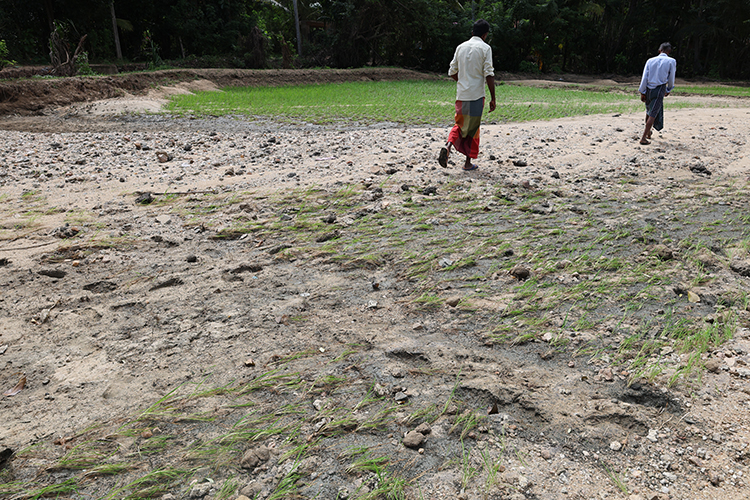
The cyclone struck at the beginning of the critical Maha 2025/26 cultivation season, causing extensive damage to agriculture, livestock, and fisheries. Floodwaters inundated over 129,000 hectares of agricultural land, impacting more than 227,000 farming households. Issues such as standing water, debris, siltation, and damaged irrigation systems are hindering replanting efforts, while shortages of seeds, fertilizers, and machinery access threaten irreversible production losses without immediate intervention.
The crisis has been further aggravated by losses in livestock and fisheries. Over 37,000 cattle and buffaloes, nearly 16,000 goats and sheep, and 475,000 poultry have been lost. Additionally, damage to fisheries and aquaculture is estimated at USD 66–69 million, affecting both food availability and household incomes.
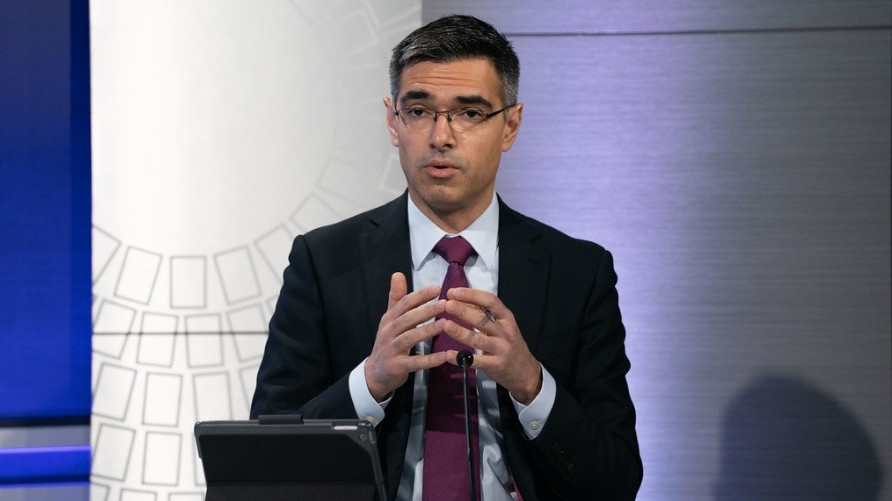
“This appeal focuses on early recovery interventions that are urgently needed to stabilize livelihoods and safeguard food production,” stated Vimlendra Sharan, FAO Representative for Sri Lanka and the Maldives. “While the overall requirements for the agrifood sector to fully rebound are substantially higher, immediate early recovery support is critical to prevent long-term losses, deeper food insecurity, and increased reliance on food assistance.”
FAO’s Early Recovery Response
The FAO’s appeal targets 256,000 households, approximately 1.03 million people, across the Central, Eastern, North Central, North Western, Northern, Uva, and Western Provinces. The USD 16.5 million requirement focuses on priority early recovery actions, aimed at rapidly restoring productive capacity and protecting livelihoods.
FAO’s planned interventions include:
- Restoring crop production by providing seeds, fertilizers, and essential agricultural inputs to smallholder farmers;
- Safeguarding livestock assets through emergency animal health services, vaccines, veterinary kits, and poultry restocking;
- Supporting fisheries and aquaculture livelihoods through the repair or replacement of damaged boats and fishing gear; and
- Providing cash-based assistance, including cash-for-work, to meet immediate needs, support livelihood restoration, and enable debris clearance where markets are functioning.
FAO is collaborating closely with the Government of Sri Lanka, particularly the Ministry of Agriculture, Livestock, Land and Irrigation, and the Ministry of Fisheries, Aquatic and Ocean Resources. FAO also co-leads the Food Security and Livelihoods Sector alongside the World Food Programme and coordinates its response with the Sri Lanka Humanitarian Priorities Plan – Cyclone Ditwah.
To date, USD 400,000 has been received, leaving a 97.6 percent funding gap. Without urgent donor support, hundreds of thousands of households risk missing an entire cultivation season, with lasting consequences for food security, nutrition, and rural resilience.