How Kumar Sangakkara Became Sri Lanka’s Most Successful Ex-Cricketer
Sri Lanka produces great cricketers with enviable regularity.
What it does not produce—almost at all—are cricketers who successfully convert sporting greatness into enduring economic and institutional power.
There is one exception.
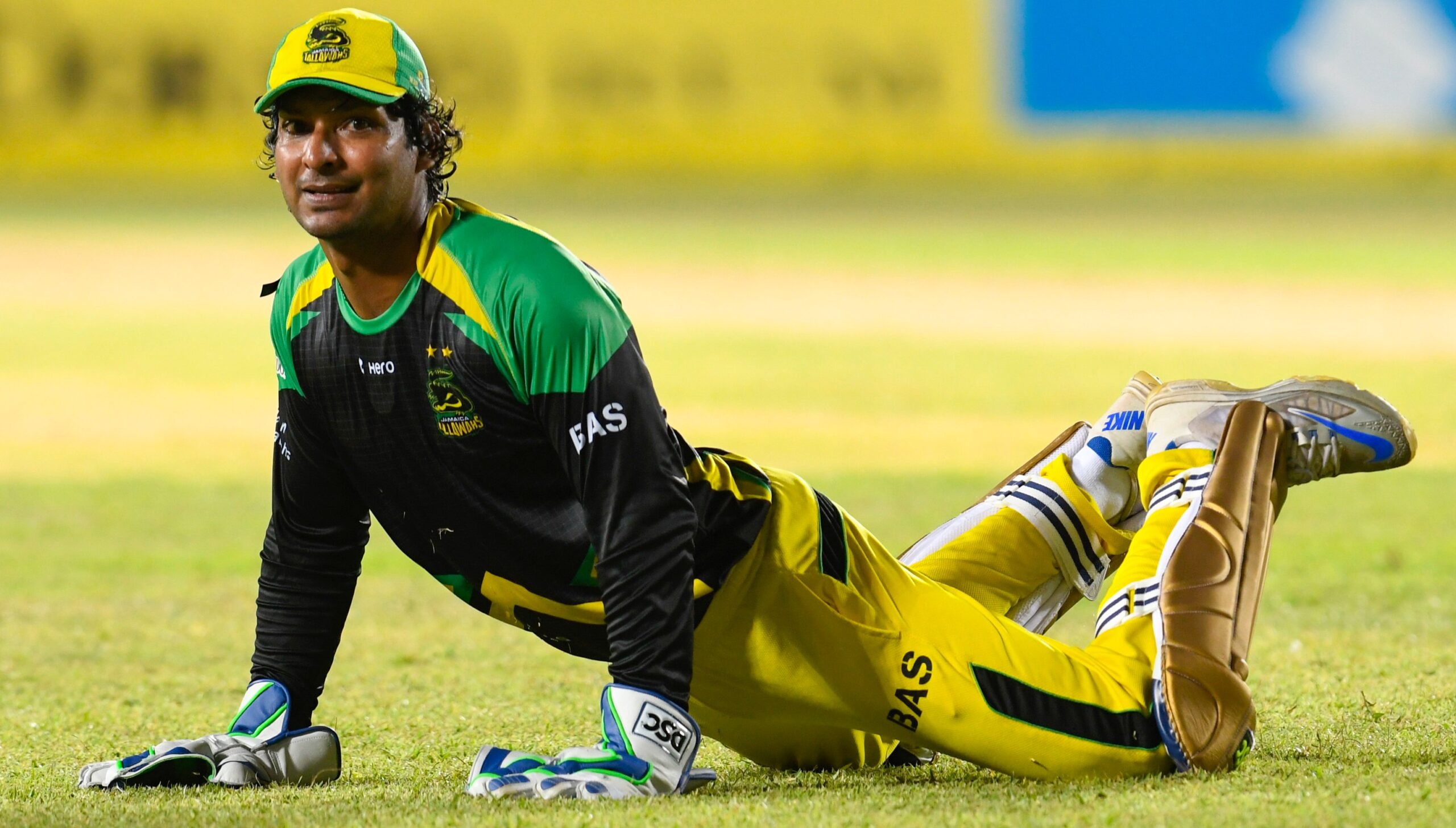
Kumar Sangakkara did not merely retire from cricket. He leveraged it.
That distinction matters.
Because if we are asking who is Sri Lanka’s most successful cricketer after playing days—measured not by nostalgia, commentary airtime, or political appointments, but by money, influence, and global relevance—the answer is clear and largely uncontested.
It is Sangakkara.
Not Loud Money. Real Power.
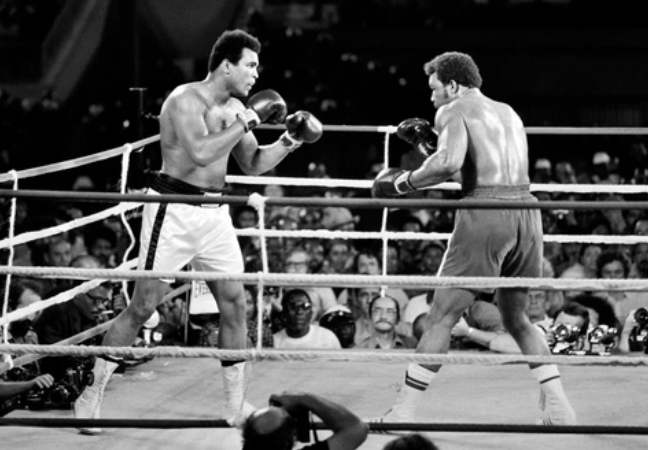
Unlike sporting icons such as Muhammad Ali or George Foreman, Sangakkara did not monetise mass consumer markets. Sri Lanka does not offer that scale. There is no grill empire waiting at the end of Galle Road.
So he chose a smarter conversion path.
Fame Trust Governance Longevity
That is not an accident. It is design.
The Institutional Leap
Sangakkara’s presidency of the Marylebone Cricket Club was not ceremonial exotica. It placed a Sri Lankan at the very centre of global cricket’s rule-making conscience. The MCC is not a club in the casual sense; it is the custodian of the game’s laws and ethos.
That alone places him in a category no other Sri Lankan cricketer has reached.
But that was only one strand.
Boardrooms, Not Billboards
Post-retirement, Sangakkara entered corporate governance, finance, insurance, and strategic leadership— areas where reputations are not rented, they are tested. He became valuable not because of what he once did, but because of how he now thinks.
He sells judgment, not autographs.
Broadcasting, writing, public speaking—yes. But always
as an extension of credibility, never as a substitute for it. His relevance does not depend on cricket remembering him; it survives even if it doesn’t.
That is the rarest form of success.
The English Comparison
Is there an English parallel? The closest is not the loudest.
Michael Atherton transitioned from captaincy to intellectual authority in journalism. He commands influence, not product lines.
Commercial figures such as Ian Botham or Andrew Flintoff built media and endorsement careers—but none crossed into global institutional leadership.
Sangakkara did.
The Verdict
Sri Lanka often mistakes visibility for value. Sangakkara rejected that trap.
He did not chase politics.
He did not trade relevance for proximity to power. He did not become a ceremonial relic.
Instead, he became something Sri Lanka desperately lacks:
A sporting figure who turned excellence into infrastructure.
That is not celebrity. That is capital.
NEWSLINE ANALYSIS
Why Sri Lanka Fails to Monetise Sporting Greatness
Sri Lanka’s graveyard of ex-sports stars is crowded.
Greatness on the field too often leads to: token political appointments,
talk-show recycling, or
quiet economic decline masked by nostalgia.
Why?
1. Politics Is the Default Exit
Many former athletes mistake access to power for power itself. Politics
offers visibility, not durability. It often erodes brand value faster than it creates it.
2. Endorsements Without Strategy
Endorsements come early, unmanaged, and unsustained. Few athletes build post-career IP, equity stakes, or governance credentials.
3. No Institutional Bridges
Sri Lanka lacks structured pathways linking elite sport to: corporate leadership,
international governance,
or policy influence.
Sangakkara built his own bridge. Most never try.
4. The Small-Market Illusion
Athletes chase mass-market models unsuited to Sri Lanka’s scale. The result is underwhelming monetisation and short shelf-lives.
The lesson is brutal but clear:
In small economies, trust compounds better than fame.
Final Newsline Bottom Line
Sri Lanka has produced many great cricketers. It has produced one who turned cricket into a platform for enduring power without debasing it.
Kumar Sangakkara didn’t just win matches. He won the long game.