Sri Lanka has entered a phase it had hoped never to revisit. The Cabinet’s decision to approve emergency spot purchases of fuel – bypassing standard procurement processes – is not merely administrative.
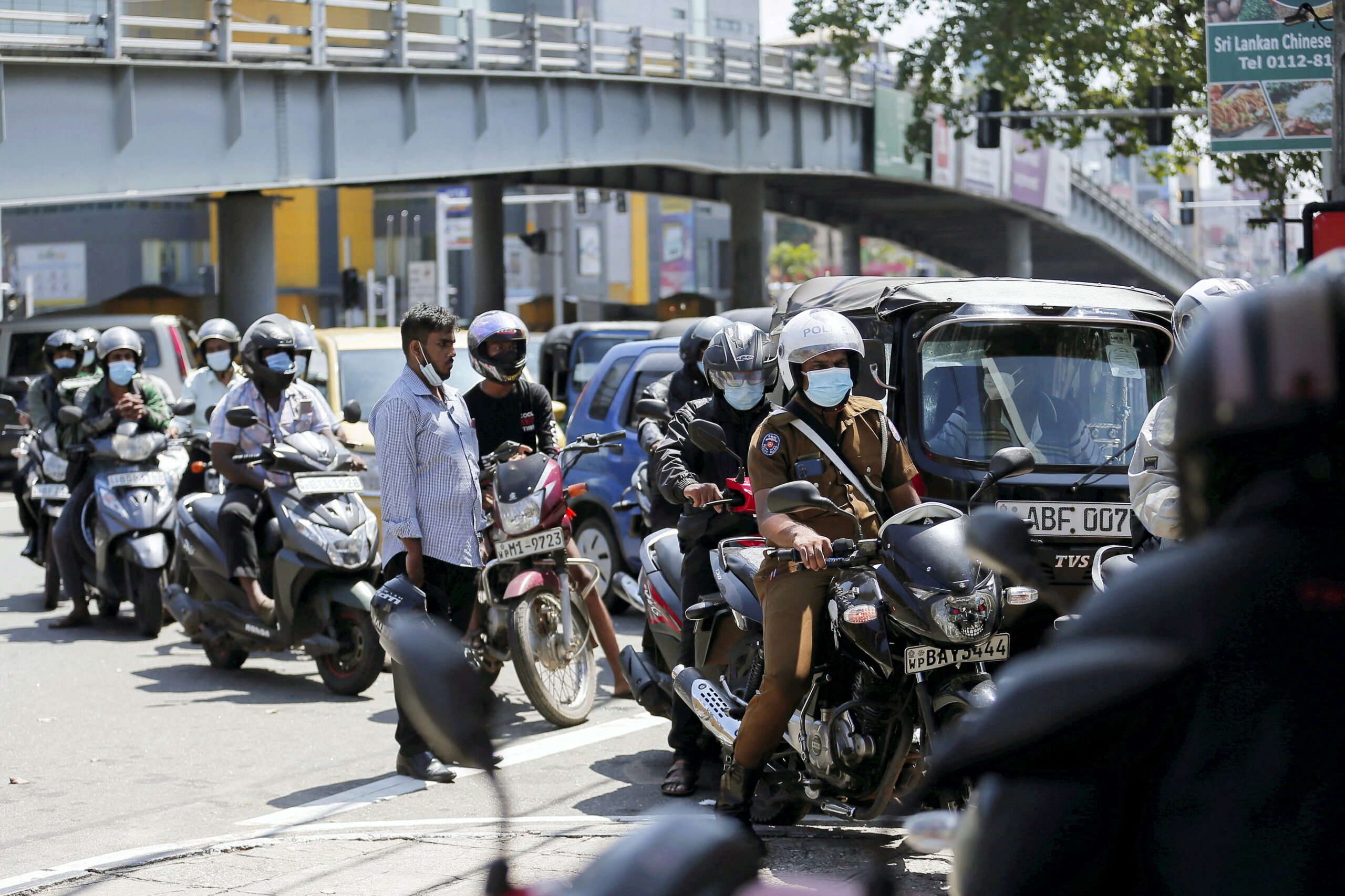
It is a signal. A signal that the system is under strain, that supply chains once assumed reliable are now uncertain, and that time itself has become a commodity. Reports indicate a shortfall in crude and refined products, forcing authorities to look beyond traditional contracts and into volatile spot markets where prices are higher and terms less forgiving.
Be that as it may, the reality is stark: when a country moves from planned procurement to emergency buying, it is no longer managing efficiency – it is managing risk. The knock-on effects are already visible. Priority allocation of fuel to agriculture and fisheries underscores a return to first principles: food security and livelihoods.
Tourism operators, too, are quietly being placed in the queue, a reminder that foreign exchange earnings remain critical. Yet the deeper concern lies beneath.
Emergency buying erodes fiscal discipline, places pressure on already fragile reserves, and exposes the country to price spikes at precisely the wrong moment. This is not yet 2022 – but the echoes are unmistakable.
The difference today is that the trigger lies beyond Sri Lanka’s shores, in a world where energy routes are contested and stability is no longer guaranteed. The question now is not whether Sri Lanka can buy fuel – it is whether it can do so sustainably.