The humanitarian situation in the Gaza Strip remains dire, despite occasional announcements of aid deliveries and ceasefire punctuations. On the surface, the story often reads as if bridges have been rebuilt, corridors opened, and life-saving relief flowing. In reality, what Gazans are getting is a fraction of what they need — and the bottlenecks are not random.
Since the October 2023 conflict erupted, Gaza’s infrastructure has been devastated. Power, water, sanitation, healthcare, and local food production have all collapsed under bombardment and blockade. Relief agencies have repeatedly warned that only massive, sustained inflows of aid — not trickle shipments — can keep over two million people alive.
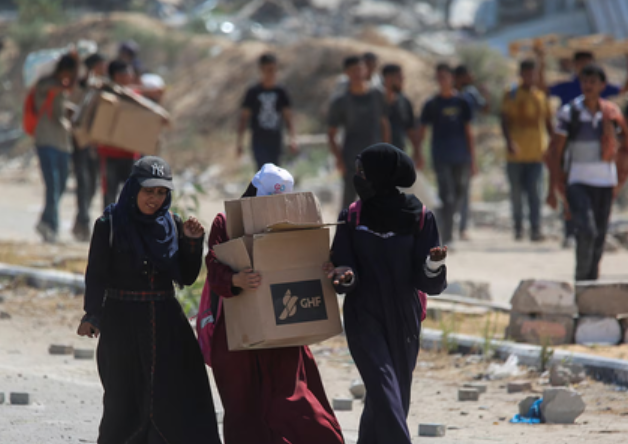
For a time, intermittent access did improve: between January and March 2025, nearly 3,000 UNRWA trucks full of lifesaving supplies were reported ready to enter Gaza, but only a portion actually got through — and even those deliveries barely scratched the surface of need.
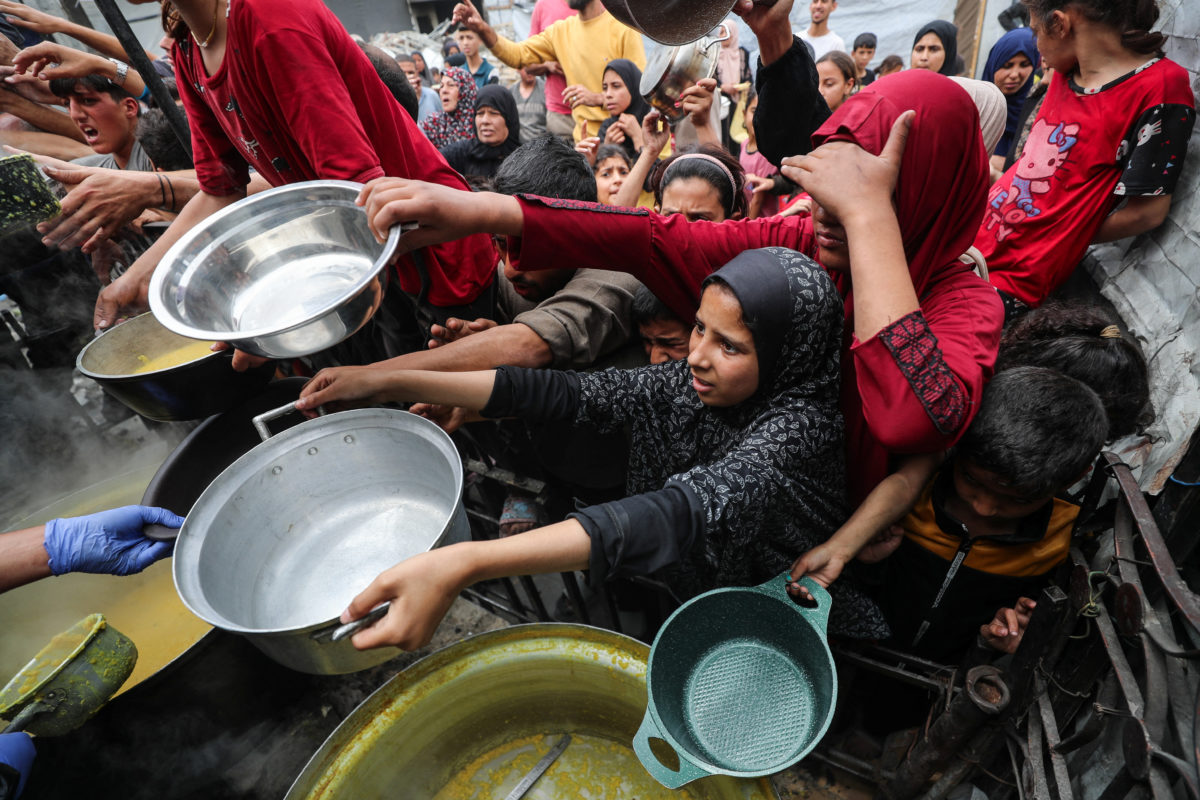
By late 2025, global hunger monitors said Gaza was no longer officially in famine following some expansion of humanitarian and commercial access under a fragile ceasefire — a real if highly precarious improvement. But that statement must be read with context: “no famine” does not mean no hunger, no starvation risk, or no threat of famine returning. The underlying food insecurity remains extreme.
Access Is Constrained — Not Free
Multiple sources from the United Nations and Gaza authorities paint a consistent picture: aid deliveries are heavily restricted and fall far short of what is legally required and what civilians need.
The Palestinian Government Operations Room in Gaza estimates an average of only 287 aid trucks per day entering the Strip, far below the minimum of roughly 1,000 daily vehiclesrequired just to meet basic needs. And commercial trucks make up a large share of these, carrying non-essential items rather than urgently needed food, medicine, and shelter supplies.
UN humanitarian coordination reports also confirm that access impediments persist — visas and import approvals are slow or denied, only a handful of border crossings are operational, and even when movements are approved, more than a third are either blocked or obstructed on the ground.
According to the UN Office for the Coordination of Humanitarian Affairs (OCHA), these restrictions, combined with intense bureaucratic overhead, mean aid is not moving freely — it is moving conditionally, unevenly, and insufficiently.
Aid Workers Under Pressure
The situation has now taken a harsher turn: Israel has announced it will suspend the operations of dozens of international humanitarian organizations
in Gaza and the occupied West Bank unless they comply with new registration and vetting requirements. This applies to well-known groups such as Doctors Without Borders (MSF), CARE, Oxfam, World Vision, and the Norwegian Refugee Council — organizations that have historically shouldered much of the fieldwork.
Israel claims this is a security measure to prevent aid diversion to militant groups and to ensure transparency. Critics — including the UN and the charities themselves — argue the requirements are arbitrary, politicised, and likely to undermine life-saving operations at a time when Gaza’s needs are already beyond critical.
OCHA officials have warned that removing or disrupting these NGO operations could push the humanitarian response to the brink of collapse, given that these organizations provide a large share of shelter, food distribution, medical support, and water services inside Gaza.
Civilian Impact — Fragile Gains, Fragile Lives
Headline measures such as “famine averted” are real but extremely fragile. Without continuous and expanded access, those gains can and will be reversed — as the World Health Organization has cautioned.
Most hospitals remain only partially functional, and more than 16,000 patients require urgent medical evacuation amid constrained aid and overwhelmed facilities.
And behind the numbers are people: families exposed to winter cold without proper shelter, children at risk of malnutrition, and communities cut off from basic water and healthcare.
Turning Point Bottom Line
Aid is entering Gaza — but not freely, sufficiently, or without political strings.
What should be a humanitarian corridor has become a diplomatic negotiation, a security debate, and a jurisdictional battlefield. Restrictions on NGOs, bureaucratic hurdles at checkpoints, and conflicting claims about security risks are all limiting the flow of life-saving supplies.
The result? A population that is protected on paper, served in press releases, and starved in practice.
Until humanitarian access is truly unhindered, sustained, and scaled to meet documented needs, the crisis in Gaza will remain not a phase of reconstruction, but a prolonged state of survival on borrowed time.