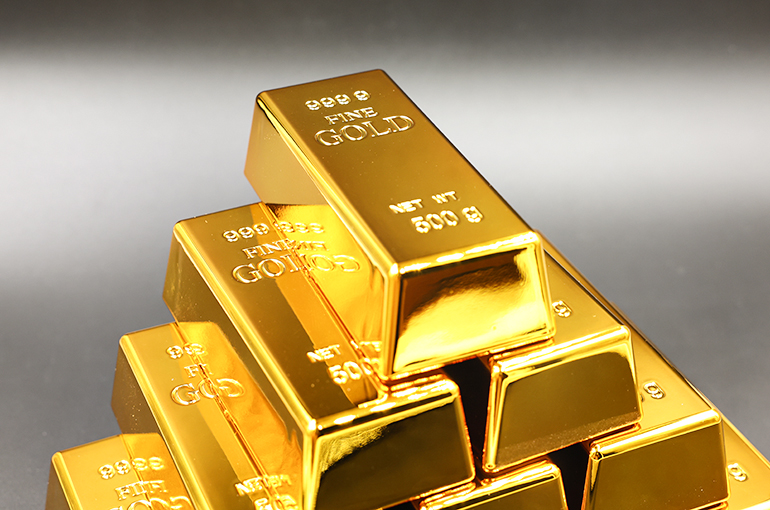
Between now and the next 12 months, the yellow metal is unlikely to behave like a speculative asset chasing headlines. Instead, it is set to trade as what it has quietly become again: global financial insurance. That distinction matters.
Why Gold Is Strong — And Why That Strength Is Different This Time
Gold’s recent resilience is not driven by retail frenzy or inflation panic alone. It is being underwritten by structural buyers with long time horizons and deep pockets: central banks, sovereign funds, and risk-averse institutions.
Central banks — particularly outside the West — continue to diversify reserves away from dollar concentration. This is not an ideological shift; it is a balance-sheet decision. In a world of sanctions, weaponised finance, and rising geopolitical fracture, gold has no counterparty risk.
That demand is sticky. It doesn’t day-trade.
Interest Rates: Less Hostile, Not Friendly
Gold’s traditional enemy is high real interest rates. Over the next year, that enemy weakens — but does not disappear.
Markets increasingly expect policy rates in the US and Europe to ease gradually as growth cools and political pressure mounts. That reduces the opportunity cost of holding gold. However, this is not a return to the zero-rate era.
In other words: gold will benefit from rate relief, but it will not get the rocket fuel of aggressive monetary loosening unless there is a shock.
Inflation: Not Dead, Just Quieter
Headline inflation has eased in many economies, but underlying cost pressures remain unresolved — energy transitions, supply-chain reshoring, labour constraints, and fiscal deficits.
Gold does not require runaway inflation to perform. It merely requires doubt about monetary discipline. That doubt persists.
If inflation re-accelerates unexpectedly — even modestly — gold responds faster than policymakers.
Geopolitics: The Floor Under the Market
Wars, elections, sanctions, shipping chokepoints, and regional conflicts are no longer “tail risks”. They are background conditions.
Gold’s role in this environment is not to spike violently, but to hold value when confidence wobbles. Each geopolitical shock that fails to resolve cleanly reinforces gold’s floor, even if it does not send prices parabolic.
This is why gold corrections have been shallow — buyers emerge quickly.
What Could Cap Gold’s Upside?
Gold is not invincible.
Three factors could limit gains over the next year:
A sharp global growth rebound, restoring appetite for risk assets.
Sustained dollar strength, if US growth outperforms decisively.
Policy credibility, if major central banks convincingly anchor inflation expectations.
At present, none of these appear dominant.
What Could Push Gold Higher?
Conversely, gold would likely move decisively higher if: rate cuts arrive sooner than expected,
a financial accident exposes leverage or sovereign fragility, or
geopolitical events disrupt energy or trade flows materially.
Gold thrives on policy uncertainty, not optimism.
NEWSLINE FORECAST (QUALITATIVE, NOT PROMISSORY)
Over the next 12 months, gold is likely to:
remain elevated,
NEWSLINE BOTTOM LINE
Gold is no longer just a hedge against inflation. It is a hedge against fragmentation — of markets, alliances, currencies, and trust. Over the next year, investors are unlikely to abandon that insurance. They may grumble about the premium. But they will keep paying it.
And that, quietly, keeps gold strong.