A recent brief by the International Labour Organization (ILO) highlights the severe impact of Cyclone Ditwah on Sri Lanka’s labour market following the cyclone’s landfall on 26 November. The cyclone brought heavy rainfall, widespread flooding, and landslides, particularly affecting Northern and Eastern districts and central areas known for tea plantations.
The ILO utilized a combination of remote sensing data—covering flood extent, population, agriculture, and nightlight patterns—alongside labour force survey data to provide a preliminary assessment of the situation. This methodology has enabled a timely understanding of the cyclone’s impact on livelihoods, informing both immediate relief efforts and medium-term recovery planning for affected workers.
According to the ILO’s findings, up to 374,000 workers may have been impacted in areas directly affected by the floods and landslides. The estimated loss in potential earnings is approximately US$48 million per month if these individuals are unable to find alternative employment. The agriculture and fisheries sectors have suffered particularly severe setbacks. Around 23 percent of rice-cultivating land has been flooded, while initial estimates suggest tea industry output losses could reach 35 percent. Smallholder farmers, who contribute 70 percent of tea sector output, have been especially hard hit.
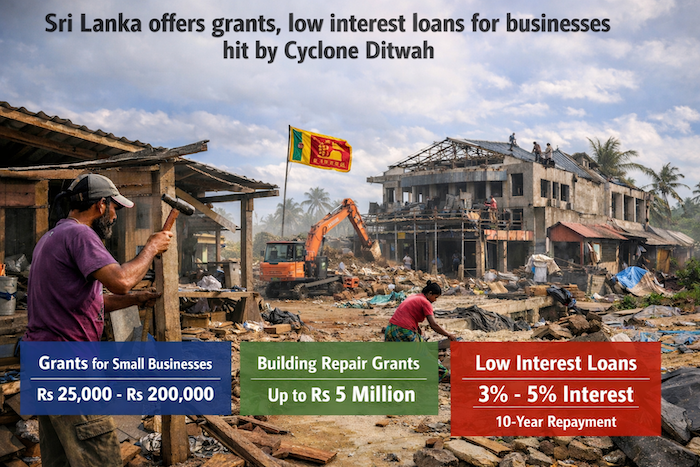
In response to these challenges, the ILO brief calls for immediate action to restore livelihoods. It recommends the implementation of emergency cash assistance and employment-intensive early recovery programmes that provide decent working conditions. Targeted sectoral support and assistance to micro, small, and medium enterprises (MSMEs) are also advised to help restore production capabilities swiftly. The brief emphasizes that these programmes should prioritize the most vulnerable populations, be sensitive to local conflict dynamics, collaborate with workers’ and employers’ organizations, and engage directly with community stakeholders.
For the medium term, the ILO suggests that recovery efforts should incorporate lessons learned from this disaster to enhance the coverage and coordination of wage protection, social protection, employment policies, and disaster risk management systems, thereby increasing resilience to future shocks.