The import of Indian-origin vehicles to Sri Lanka has declined sharply, according to the latest monthly vehicle registration review by J. B. Securities, marking a significant shift in market dynamics following the vehicle import ban. Prior to the ban, Indian vehicles dominated the local market, but that dominance has since eroded, the report noted.
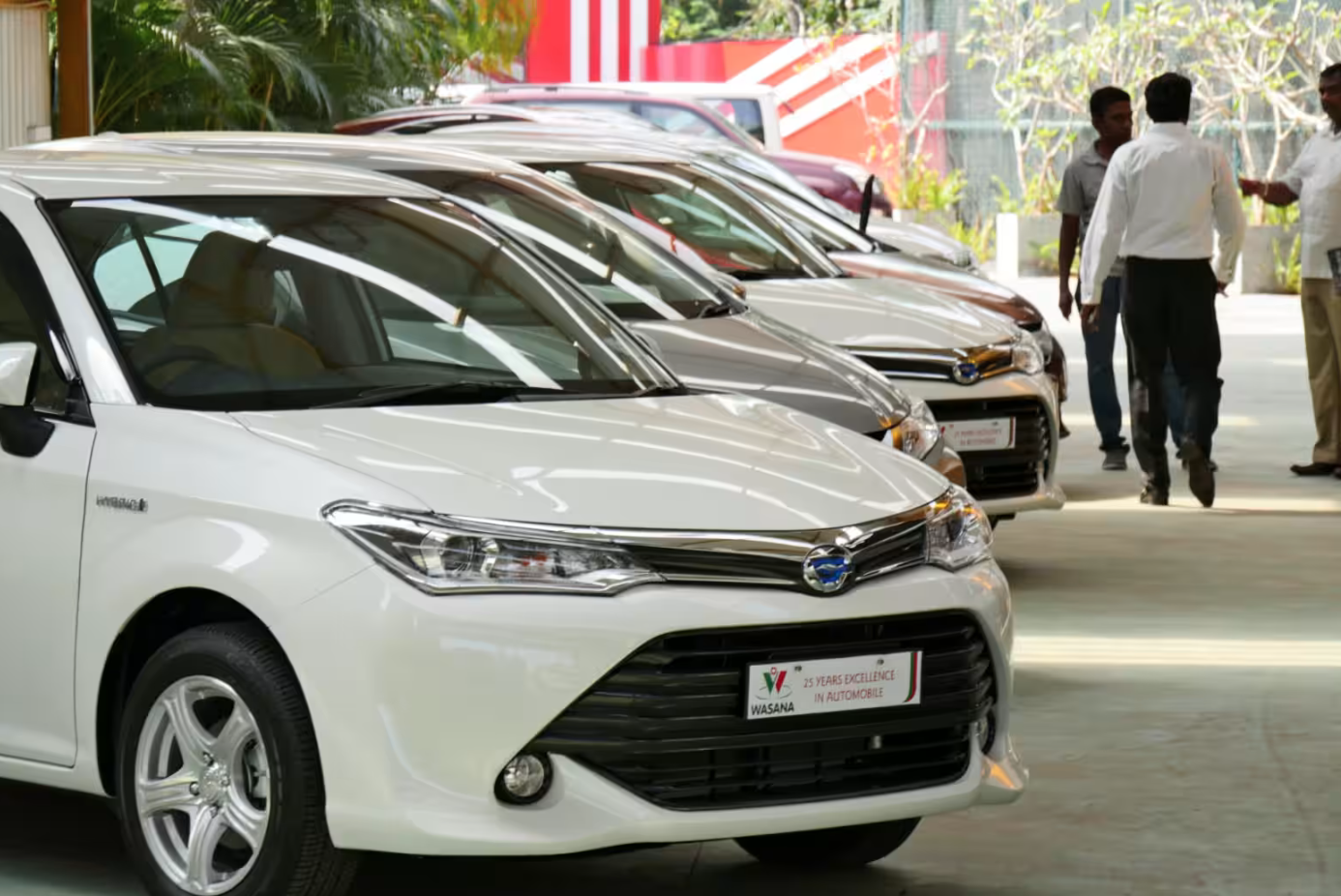
In the personal four-wheeler segment, Japanese brands have emerged as clear leaders. This shift is largely attributed to Sri Lanka’s vehicle tax structure, which strongly favours small-engine vehicles below 1,000 cc—models predominantly produced for the Japanese domestic market and widely regarded for their quality and reliability.
While Indian-made vehicles continue to lead the two-wheeler and three-wheeler segments, they are now almost absent from motor cars, SUVs, and crossover categories. Three-wheeler registrations stood at 2,423 units in November, with Bajaj retaining a commanding lead at 1,951 units, followed by TVS with 314 units.
Two-wheeler registrations totalled 29,961 units during the month. Bajaj led the segment with 9,553 units—of which 6,994 were locally assembled—followed by TVS at 6,007 units, including 1,406 locally assembled units. Honda continued its recovery with 4,012 registrations, a notable performance given its pre-ban leadership position. Yamaha recorded 3,372 units, narrowly ahead of Hero at 3,323 units. Within the segment, scooters accounted for 13,672 units, while motorcycles made up the remaining 16,289 units.
The report also highlighted a decline in the share of Indian-origin brands in the commercial vehicle segment, although they remain important players. This trend was reflected in brand-new bus registrations in November, where the ToyotaCoaster led with 30 units, followed by Tata with 23 units and Lanka Ashok Leyland with 21 units.