AIA Group Limited (“AIA” or the “Group”) has released new research highlighting the influence of deeply entrenched stereotypes on physical, mental, and financial health across Asia. Conducted across Mainland China, Hong Kong SAR, Singapore, Thailand, and Malaysia, the study analyzed over 100 million social media posts and online content, and included a survey of 2,100 respondents.
The research aimed to understand how stereotypes around wellbeing are formed, reinforced, and normalized in daily life. It reveals that rigid expectations regarding fitness, mental health, wealth, and family responsibility continue to exert significant pressure on individuals. These stereotypes shape how people perceive themselves, relate to others, and engage with their health journeys.
Key findings include:
- 69% of respondents agree that fitness requires discipline with no compromise.
- 59% believe that improving health requires a complete transformation.
- 57% feel that to be respected, a person must control their emotions and avoid showing vulnerability.
- 63% feel negatively about financial health stereotypes, while 41% associate personal worth with financial success, particularly for men.
- Only individuals with good wellbeing tend to find these stereotypes motivating; those with poorer wellbeing experience them as pressure that reinforces self-doubt and delays action.
Stuart A. Spencer, AIA Group Chief Marketing Officer, commented, “The data is unequivocal. Asia’s health challenge is no longer just medical, it is also behavioral and cultural. As lifestyle-related diseases continue to rise across the region, deeply rooted stereotypes around fitness, financial success, and mental health are quietly undermining prevention, delaying support, and driving poorer health outcomes.
By uncovering these insights, our aim is to empower people to question limiting beliefs, challenge how health is portrayed, and make more informed choices for their overall health and wellbeing. We believe that helping people live Healthier, Longer, Better Lives requires changing the narratives that shape everyday behaviors in the first place.”
AIA unveils next phase of Rethink Healthy to help change behavior
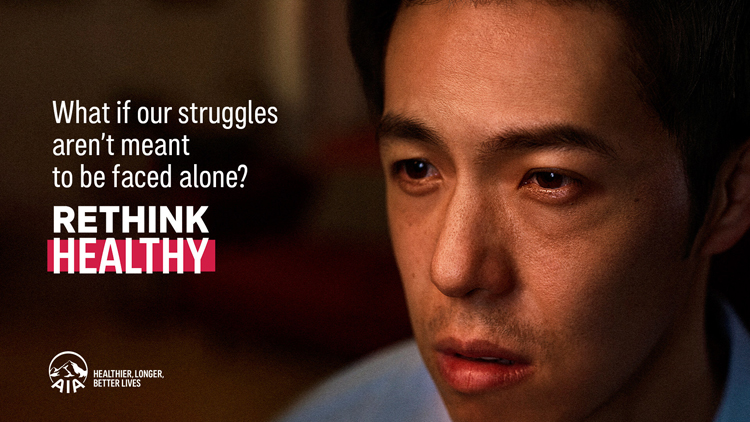
Building on these insights, AIA has launched the next phase of Rethink Healthy, featuring three new films that highlight these hidden pressures:
- Perfect Son – explores mental health challenges created by expectations around achievement, strength, and family duty.
- Mother & Daughter – highlights how narrow definitions of ‘healthy’ and body image ideals can be unintentionally passed from parent to child.
- Lone Wolf – challenges the belief that only intense exercise counts, showing how joy and movement can be reframed at every life stage.
To deepen the impact of the campaign, AIA brought together creators and brand ambassadors from across the region for a summit on responsible health storytelling. They examined how stereotypes shape content and co-created ways to encourage more inclusive and authentic wellbeing conversations online.
Together, these initiatives reinforce AIA’s long-term commitment to helping people across Asia live Healthier, Longer, Better Lives, and support its ambition to inspire and engage one billion people by 2030.