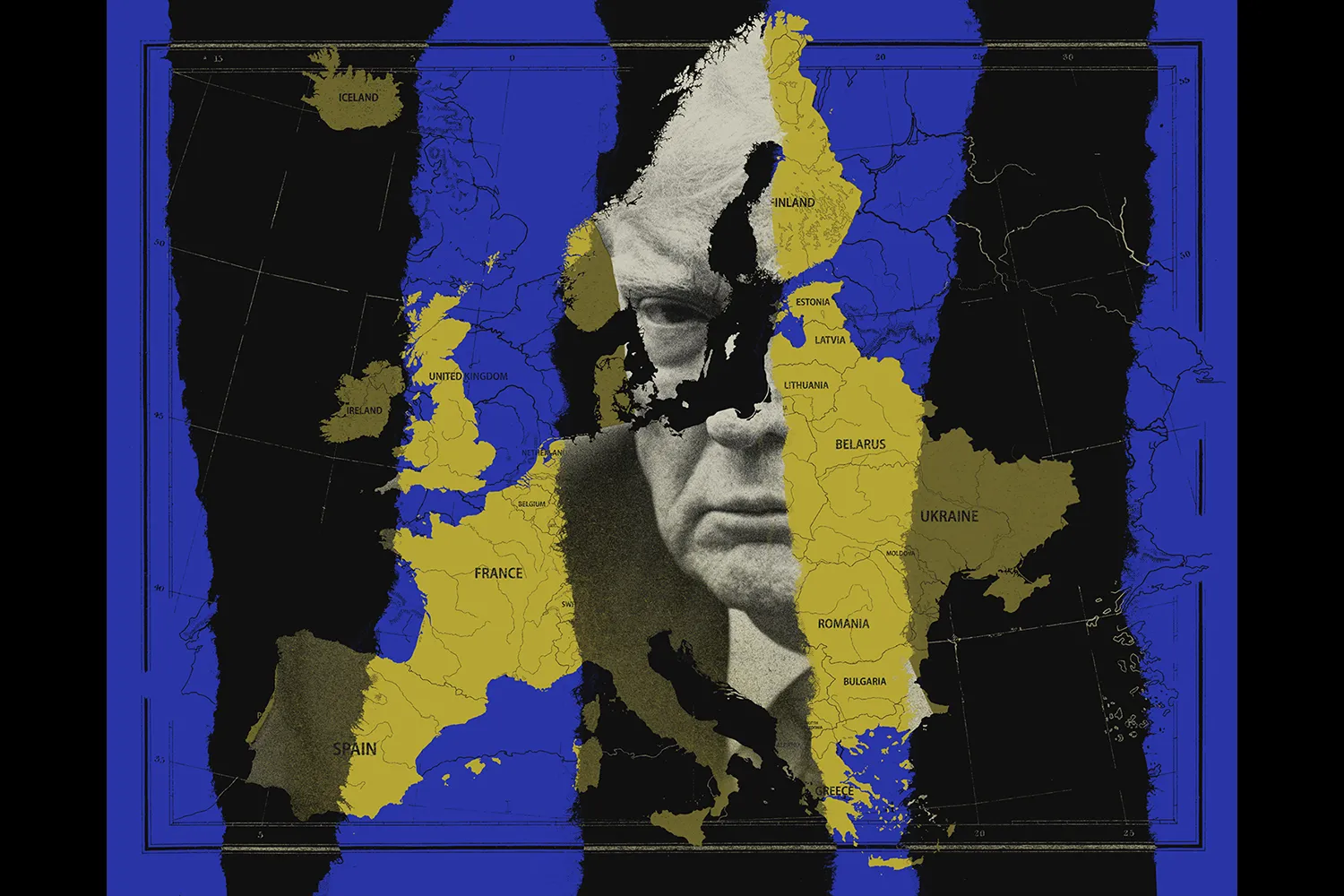
US credibility tested. China watches. The Gulf recalculates.
Be that as it may, ceasefires often claim to end wars. This one has done something more revealing – it has exposed the limits of power.
Washington calls it success. Tehran calls it survival. Neither calls it settlement.
And in that gap lies the real story: a conflict paused, not resolved, with consequences that extend far beyond the battlefield.
Start with credibility.
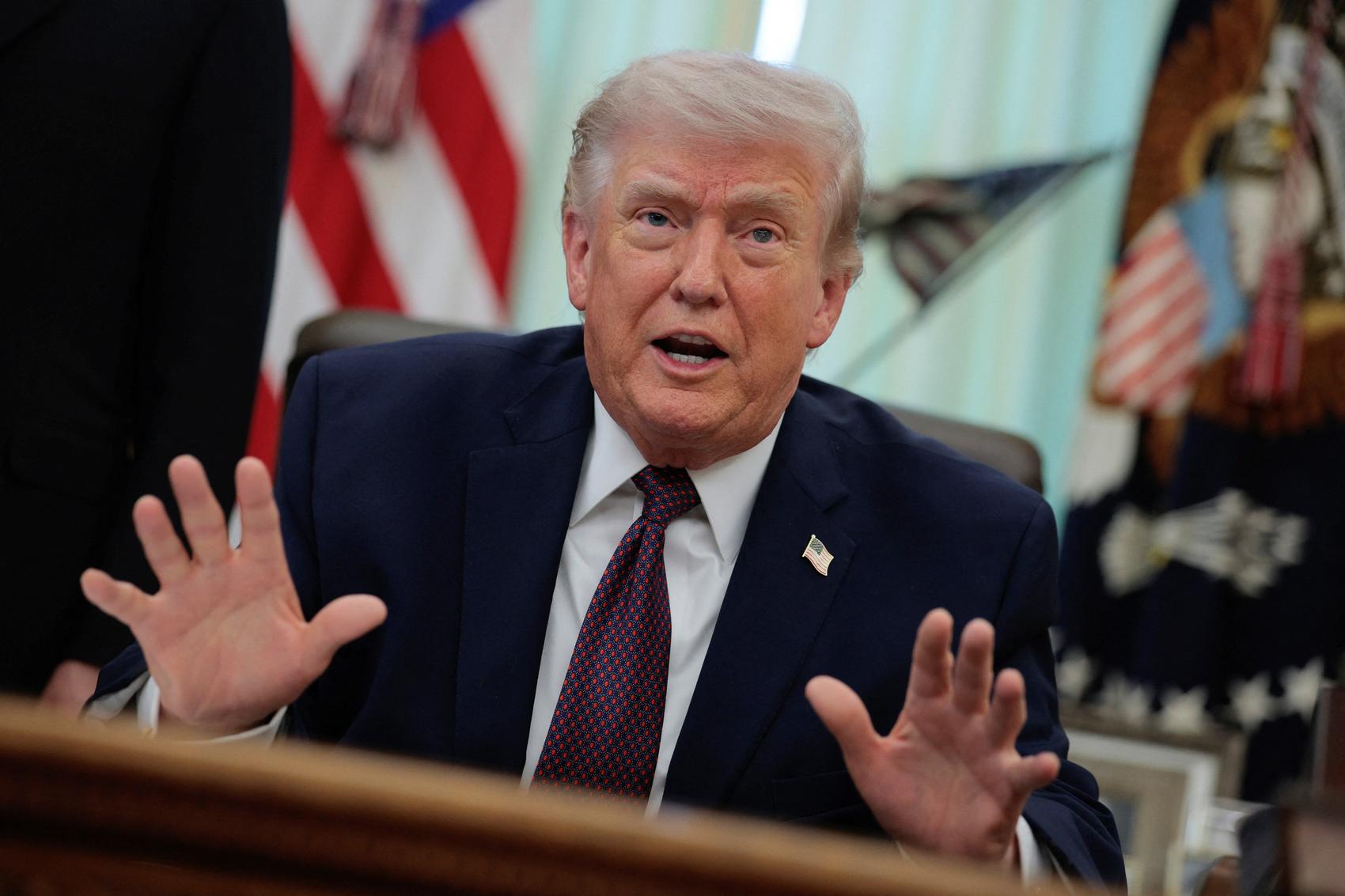
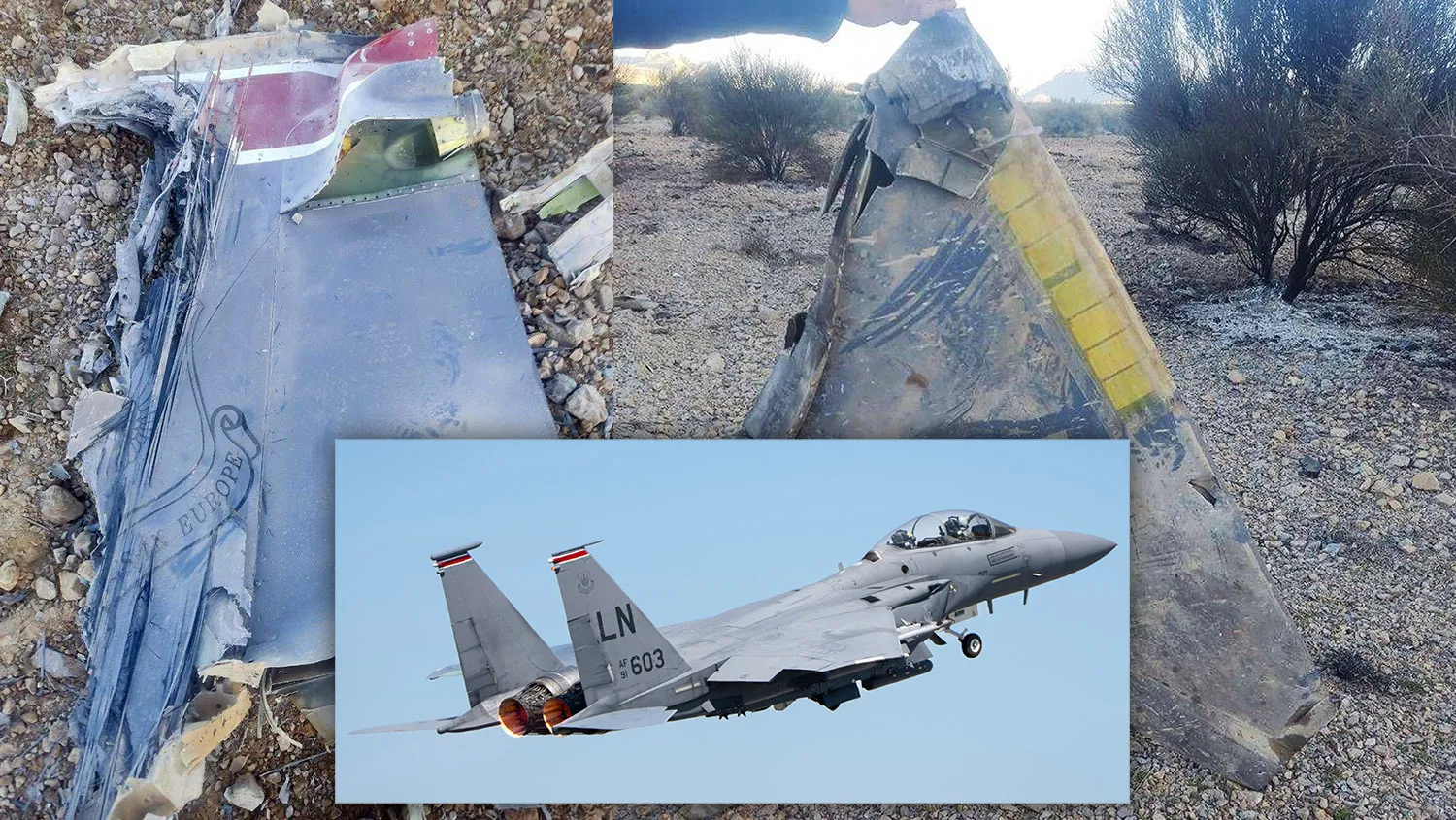
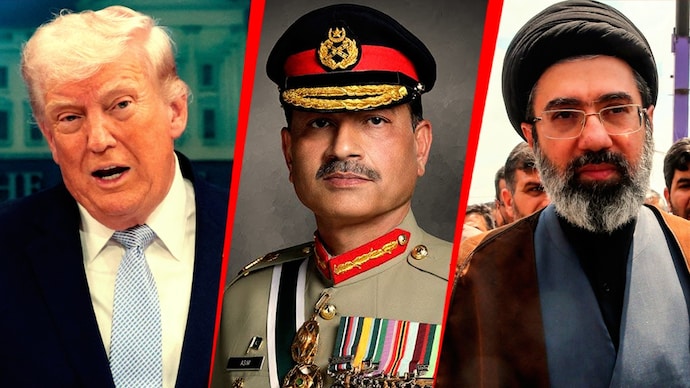
The United States entered this confrontation under the logic of overwhelming force and decisive outcome. What has emerged instead is a negotiated halt – announced abruptly, shaped by risk, and dependent on compliance from an adversary that has not conceded its core positions. Iran’s leadership remains intact. Its regional networks remain active. Its strategic posture – while pressured – has not collapsed.
For allies, that raises a question: how far does US power now extend?
For adversaries, it answers one: it has limits.
Then there is China.
Beijing has said little – and that is the point. While Washington manages escalation and de-escalation cycles, China positions itself as the alternative stabiliser: a consistent energy buyer, a diplomatic intermediary, and a power willing to engage without demanding regime change. The longer instability persists in the Gulf, the more valuable China’s posture becomes – to producers, to shippers, and to states seeking insulation from volatility.
Influence, in this context, is not asserted. It is accumulated.
The Gulf states, meanwhile, are recalibrating in real time. For years, their security architecture has rested on US guarantees.
But a conflict that moves rapidly from escalation to pause – without a clear, enforceable end-state – forces a different calculation. Energy flows through the Strait of Hormuz remain vulnerable. Insurance costs rise. Supply chains tighten. The lesson is uncomfortable:
Security cannot be outsourced without question.
Expect hedging. Quiet diplomacy with Tehran. Deeper economic alignment with Asia. And a more transactional view of external protection.
And beneath it all sits the unresolved core.
Iran’s nuclear trajectory remains contested. Proxy theatres – from Lebanon to Iraq – remain active.
Maritime risk in Hormuz persists. A ceasefire has stopped the immediate exchange of fire. It has not aligned interests, nor has it created a shared outcome.