Ravi Karunanayake “Sri Lanka must tread cautiously through the crisis, maintaining neutrality while remaining committed to humanitarian principles”
Seven days into the widening Middle East war, the map of conflict appears to be expanding faster than the vocabulary of diplomacy.
Yet the images of oil slicks, naval patrols and recovered bodies drifting near Sri Lanka’s coastline have left a lasting impression.
Because sometimes the world’s storms arrive without warning.
Israeli air strikes intensified overnight with reports of further bombardment across multiple Iranian cities, with particular focus on the capital Tehran. At the same time Israel has continued operations against targets in Lebanon, where the United Nations now estimates that more than 100,000 civilians have been displaced by the fighting.
The war is no longer confined to a single front.
Iranian officials claim that additional drone units have been deployed across the region with potential targets including American installations in Bahrain, where the United States Fifth Fleet maintains a major naval presence. Whether those threats materialise or remain strategic signalling, the atmosphere across the Gulf is unmistakably tense.
Be that as it may, the conflict is beginning to raise a larger and more unsettling question.
Is the global order itself shifting?
For decades the post–Second World War system rested on certain assumptions. Great power confrontation would be moderated through diplomacy. The United Nations would act as a forum, sometimes effective, sometimes slow, but always present.
Yet the present crisis carries echoes of an earlier era.
The Cuban Missile Crisis brought the world within reach of nuclear war. In that moment the superpowers stepped back from the brink. Negotiation, however tense, ultimately prevailed.
Today diplomacy appears to be struggling to keep pace with events.
The United Nations issues statements and appeals for restraint, but the machinery of international consensus moves slowly while missiles, drones and retaliatory strikes move quickly. Critics argue that the institution designed to prevent global conflict increasingly finds itself reduced to observer rather than referee.
Smaller states are watching carefully.
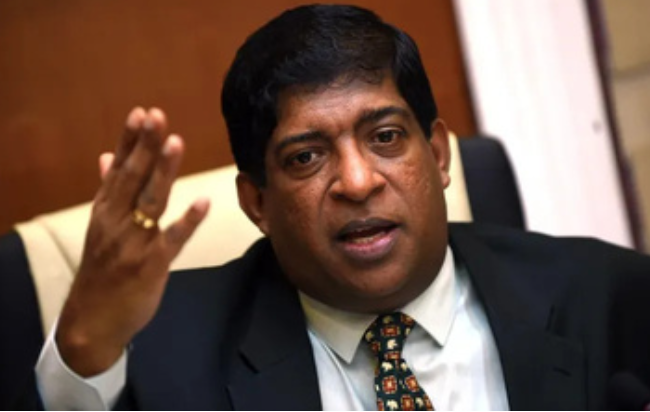
In Sri Lanka former foreign minister Ravi Karunanayake told Channel 4 News that the island must tread cautiously through the crisis, maintaining neutrality while remaining committed to humanitarian principles. For countries far from the battlefield but deeply exposed to global trade and energy markets, balance is essential.
Meanwhile in Washington Donald Trump continues to press for maximalist action, urging stronger responses against Iran and signalling that restraint is not currently part of his playbook.
Be that as it may, wars have a habit of revealing the true structure of international power.
Today’s NEWSLINE – The Daily By Faraz: Questioning the Answers cartoon might show the globe itself as a chessboard, pieces moving rapidly while the referee searches for the rulebook.
The question is no longer simply who will win this conflict. It is whether the rules that once governed the world still hold.