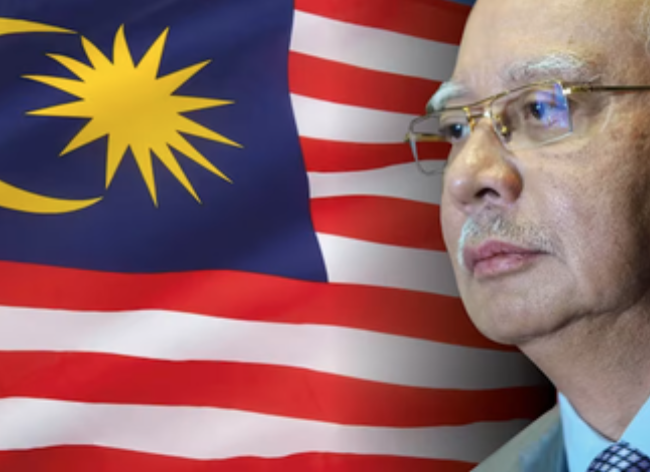
A decade after 1Malaysia Development Berhad scandal (1MDB) sent shockwaves through global finance and toppled a government, Malaysia finds itself confronting another credibility test.
This time, the controversy circles the very institution meant to fight corruption.
Malaysia’s anti-graft chief Azam Baki of the Malaysian Anti-Corruption Commission is back under scrutiny over alleged undeclared shareholdings and questions about governance oversight. The issue is not merely technical. It cuts to perception. When the watchdog is questioned, the system itself feels exposed.
Simultaneously, a widening military procurement probe has led to investigations involving senior officers and defence contracts. The Palace has publicly urged firm action. Procurement reviews are underway. The message from Kuala Lumpur: this is not business as usual.
Malaysia knows the cost of institutional erosion. The 1MDB affair — which ultimately saw former Prime Minister Najib Razak convicted and jailed — reshaped its political landscape and voter psychology.
The lesson was brutal: corruption at scale corrodes legitimacy faster than opposition rhetoric ever could.
Which brings us home.
On February 27, Sri Lanka marks eleven years since the 2015 Treasury bond scandal involving the Central Bank of Sri Lanka — a controversy that helped redefine public anger, fractured trust in institutions, and altered political trajectories.
Yet legally, the matter remains unresolved in full. Findings were delivered. Commissions reported. Accountability remains contested.
Malaysia is now confronting its next stress test in real time. Sri Lanka is still living with its last one. Both cases raise the same uncomfortable question:
When financial governance falters, is the damage measured only in money — or in faith?
Markets recover. Trust does not.
And once citizens begin to believe that accountability depends on political cycles rather than principle, the cost multiplies.
Malaysia moves to contain its latest storm. Sri Lanka approaches a stupendous 11thanniversary still searching for closure. History does not repeat neatly.
But it rhymes — especially in the language of public finance and power.