Advanced inspection tools now offer the ability to detect loose electrical connections early, identify heat loss in buildings, and locate individuals hidden by smoke during emergencies. These advanced capabilities are enabled by thermal imaging cameras, which have become indispensable in contemporary safety and inspection practices. Unlike traditional cameras, thermal imaging cameras detect infrared radiation emitted by objects, converting it into visual images. This allows users to identify temperature variations even in complete darkness or low-visibility conditions.
Once considered specialized tools, thermal imaging cameras are now widely adopted across various industries. In residential and commercial buildings, they assist in identifying insulation defects, hidden moisture, and energy losses. In industrial settings, they empower maintenance teams to detect overheating equipment and electrical faults early, helping to prevent breakdowns, fires, and costly shutdowns.
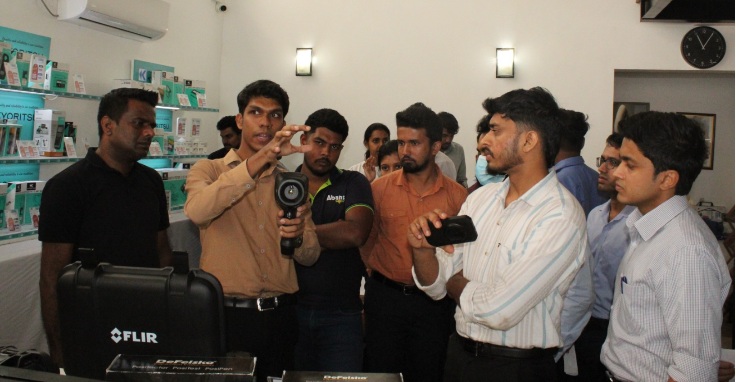
In response to this growing demand, Marlbo Trading has expanded its product line to include Teledyne FLIR thermal imaging cameras. This initiative aims to enhance safety standards and broaden access to advanced fault detection technologies, bringing globally recognized thermal imaging solutions to local industries in search of reliable, high-performance inspection and safety tools.
Emergency services also depend on thermal imaging to navigate smoke-filled environments and locate individuals when time is of the essence. The influence of thermal imaging extends beyond efficiency, significantly enhancing safety. By identifying abnormal heat patterns early, potential risks can be mitigated before they escalate. This proactive approach reduces downtime, lowers repair costs, and safeguards both people and property.
Thermal cameras are also revolutionizing security and public safety by monitoring environments at night or under challenging conditions without being intrusive. Non-contact temperature monitoring adds a layer of protection while maintaining speed and convenience. Modern devices are capable of storing data, generating reports, and integrating with digital systems, turning thermal images into actionable insights.