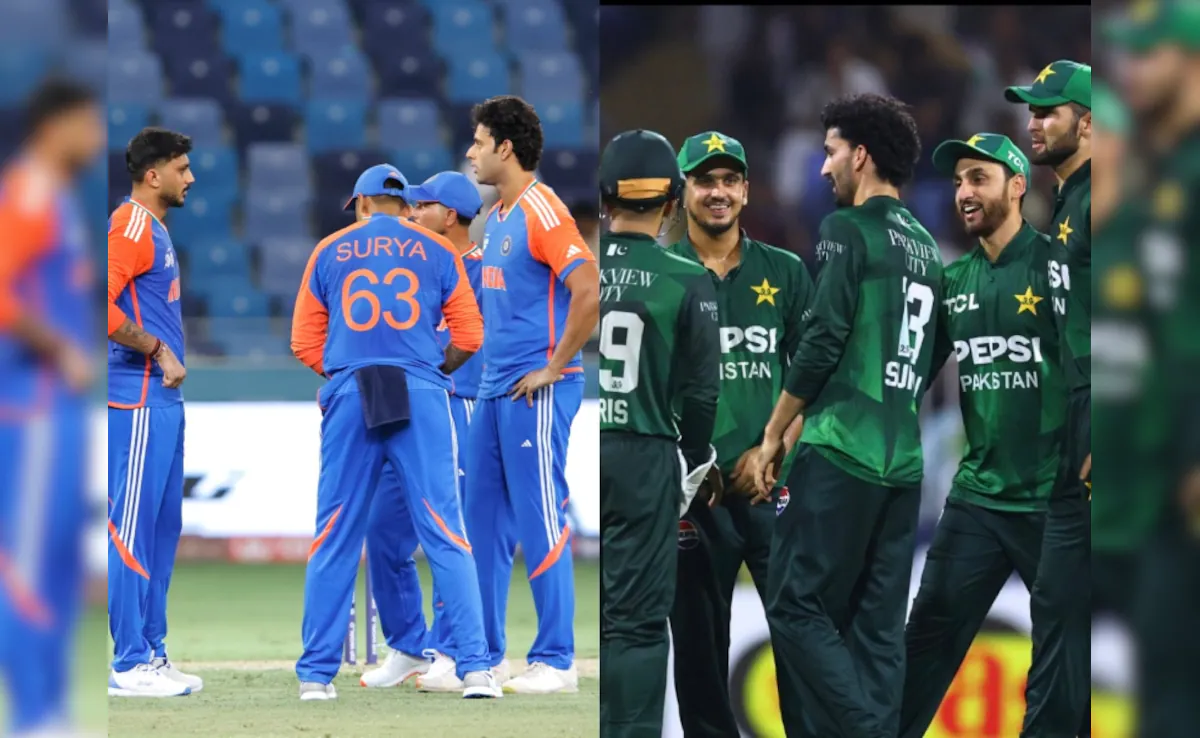
When India plays Pakistan, it is never simply sport. It is theatre layered with history, nationalism and strategic undertones. That such a match is being staged at the R. Premadasa Stadium is not a scheduling convenience; it is a geopolitical endorsement.
Sri Lanka has been deemed secure, neutral and administratively capable enough to host one of the most emotionally charged fixtures in global sport. That judgment carries weight. An India–Pakistan encounter demands sophisticated security planning, intelligence coordination, disciplined crowd management and diplomatic balance. It is, in effect, a stress test of institutional confidence
This confidence is translating directly into economic reality. Hotels across Colombo are sold out. Guest houses in the immediate suburbs are fully booked. At other international cricket venues across the island, the story is similar. Airlines have seen surges. Restaurants and transport operators are benefiting. Media crews have descended. The multiplier effect is tangible.
For a country that only recently emerged from economic freefall, this is not trivial. It demonstrates that Sri Lanka’s leisure sector can absorb a sudden influx of high-spending international visitors without collapsing under pressure. It signals resilience not only in tourism but in urban management.
There is a broader regional layer to this development. India and Pakistan rarely play bilateral series due to political tensions. When they do meet, it is often in third countries. Those host nations become temporary diplomatic spaces — neutral arenas where rivalry unfolds within agreed boundaries. By hosting this fixture, Sri Lanka quietly reinforces its role as a stabilising presence in South Asia rather than a partisan actor.
However, this opportunity must not be squandered.
Sri Lanka Cricket has struggled with scheduling depth. With only six Test matches scheduled this year, the calendar is thin. For a nation that prides itself on cricketing pedigree, that is not merely disappointing — it is economically negligent. Major fixtures drive occupancy, global broadcast exposure and brand reinforcement. Sporadic scheduling leaves money on the table.
Sri Lanka Tourism and Sri Lanka Cricket must work in far closer coordination. Sporting diplomacy should be treated as economic strategy. The island’s international stadium infrastructure — Colombo, Kandy, Galle, Dambulla, Hambantota — represents underutilised capital. With deliberate planning, Sri Lanka could position itself as the region’s preferred neutral venue for high-profile contests.
Security stability is a competitive advantage. Administrative competence is a selling point. Scenic venues are marketing assets. But without an aggressive fixture strategy, these advantages remain dormant.
There is also reputational arithmetic at play. Not long ago, Sri Lanka dominated global headlines for sovereign default, fuel queues and mass protest. Today, it hosts a marquee India–Pakistan clash with full hotels and smooth logistics. That pivot from crisis to capability is significant. Perception shapes investment decisions as much as fiscal metrics do.
The strategic lesson is clear. Cricket is not merely recreation in South Asia; it is soft power, economic catalyst and diplomatic theatre combined. When leveraged properly, it enhances both regional relevance and domestic revenue.
Sri Lanka has proven it can host safely.
It has demonstrated that demand exists. It has shown that international confidence is returning.
The next step is deliberate ambition.
If Colombo can stage one of the most sensitive sporting rivalries in the world without incident, then it can certainly justify a fuller calendar than six Tests in a year.
Cricket may provide the spectacle. But what Sri Lanka must pursue is strategy.