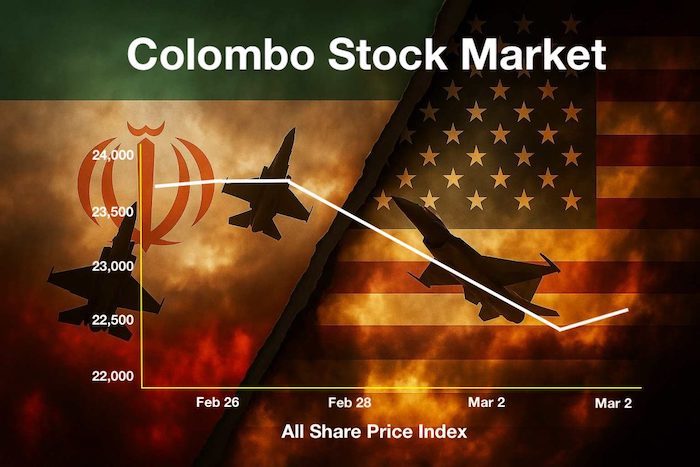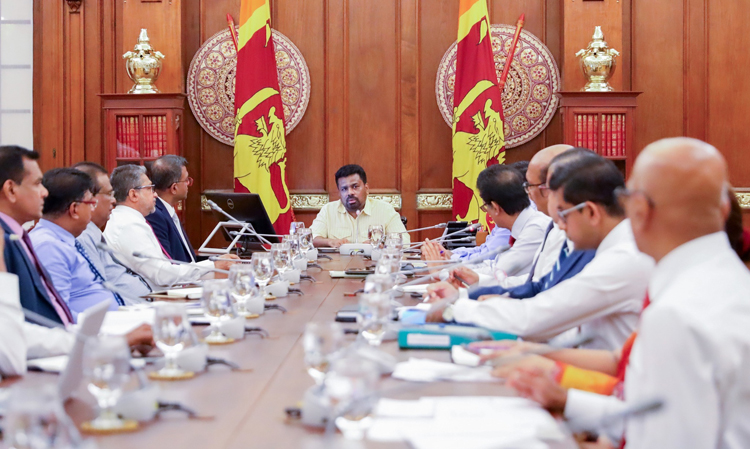
A high-level discussion was convened today (04) at the Presidential Secretariat, led by President Anura Kumara Dissanayake, to evaluate the potential repercussions of the ongoing conflict in the Middle East on Sri Lanka’s economy and to identify urgent measures needed for effective management. The President stressed the importance of collective effort and continuous vigilance across all sectors to navigate these challenges successfully, acknowledging the unpredictability of future developments.
During the meeting, officials delved into the prospective challenges concerning fuel and gas supplies, management of essential stockpiles, and issues related to the tourism, export, and investment sectors. The discussions also addressed food security and their potential impact on national inflation. The President instructed that strategies to control inflation should be prioritized, ensuring minimal disruption to the economic stability Sri Lanka has achieved and safeguarding the livelihoods of its citizens.
Despite current fuel reserves being sufficient, there was an in-depth discussion on maintaining necessary stockpiles and effectively managing them in anticipation of future risks. The potential disruptions to fuel shipments and their impact on domestic fuel prices were also examined, with the President emphasizing the need for strategies to mitigate public impact.
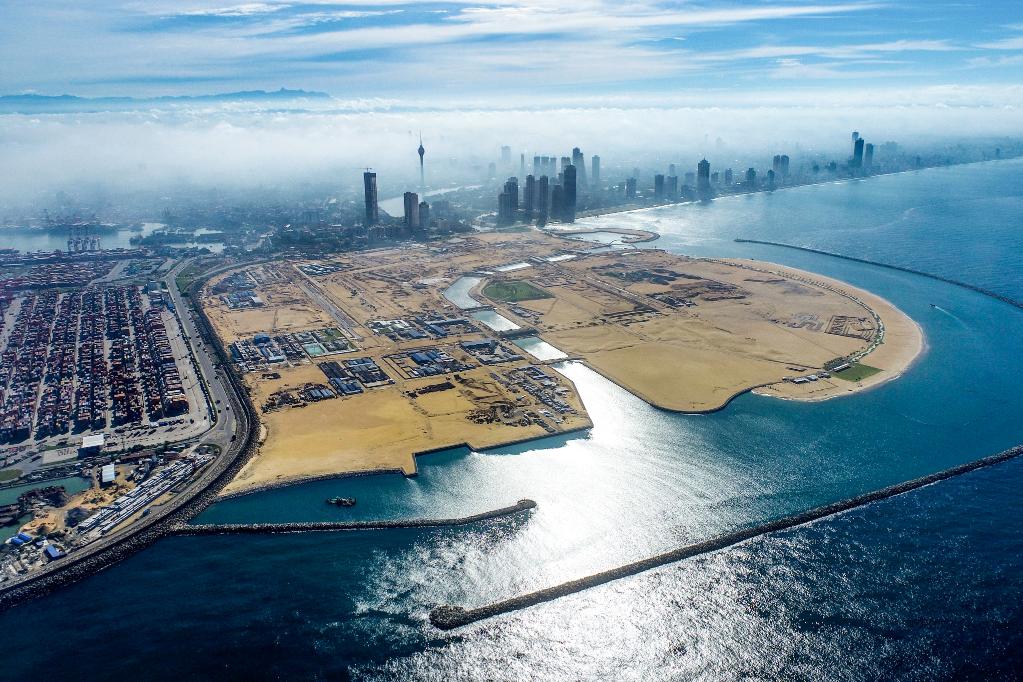
The meeting highlighted challenges related to inadequate gas storage facilities and considered potential solutions, including the temporary use of the Hambantota Port. Discussions were also held on providing necessary facilities to longstanding shipping partners to prevent congestion at the Colombo Port, which might result from disruptions such as the temporary closure of key maritime routes like the Suez Canal and the Hormuz Strait.
The Secretary of the Ministry of Trade, Commerce, Food Security, and Cooperative Development assured that current food reserves are adequate and outlined plans to address potential future risks. Meanwhile, officials from the Ministry of Tourism discussed alternative air traffic strategies to mitigate impacts on Sri Lanka’s tourism sector, as most European tourists travel via the Middle East. Measures currently being implemented by the Ministry of Ports and Civil Aviation were also outlined.
In addressing investment sector challenges, the President underscored the need for coordinated actions and instructed the Ministry of Finance to consider a relief package designed to promote investment, particularly in modern technologies like data centers. This initiative is to be examined under the guidance of Hans Wijayasuriya, Senior Advisor to the President on the Digital Economy.
The meeting was attended by prominent officials, including Secretary to the President, Dr. Nandika Sanath Kumanayake; Chief of Staff to the President, Prabath Chandrakeerthi; Senior Economic Advisor to the President, Duminda Hulangamuwa; Secretary to the Ministry of Finance, Planning, and Economic Development, Dr. Harshana Suriyapperuma; Secretary to the Ministry of Trade, Commerce, Food Security and Cooperative Development, K.A. Wimalenthirajah; Senior Additional Secretary to the President, G.M.R.G. Aponsu; Director General of Customs, Seevali Arukgoda; and Chairman of the Sri Lanka Ports Authority, Parakrama Dissanayake.
Additionally, senior officials from the Ministry of Finance, Planning and Economic Development, the Central Bank of Sri Lanka, and the Board of Investment of Sri Lanka were present.