Fitch Ratings-Paris/London: Rating implications from the Iran conflict will be limited for the global insurance sector if the conflict remains short and major damage to oil production and shipment facilities is avoided, says Fitch Ratings. We believe the earnings impact for insurers will be manageable at current rating levels, as war risk is generally excluded, apart from for some very specialised markets, unless the duration and scope of the conflict widen. A more prolonged period of economic and financial market volatility could indirectly affect insurers through loss cost inflation, falling asset values, and rising defaults.
Fitch considers London market and global specialty insurers to be most directly exposed to the conflict, through marine or aviation war, political violence, trade credit, and energy lines. We do not expect significant claims from property damage, business interruption, or cyber insurance policies because they typically exclude acts of war.
Recent developments have tightened capacity, driven by a sharp repricing, and have created a correlated loss risk across war-risk insurance markets. Initial claims booked in the first quarter of 2026 will give an idea of the earnings impact, but we expect this to be limited for most insurers, as in 2022 with the escalation of the Russia–Ukraine war.
We believe the conflict’s indirect, second-order losses are more likely to affect ratings than direct (re)insurance losses, which will likely be considerably lower. Rating effects could also stem from potential changes to sovereign or bank ratings that influence insurers’ ratings. Such effects are more likely if the conflict is more protracted or damaging than assumed under Fitch’s base case.
War risk coverage is compulsory at Lloyd’s when travelling through an area on the Joint War Committee list, such as the Strait of Hormuz. War-risk marine and aviation covers across the sector have been cancelled at short notice or rewritten at much higher rates. Premiums for maritime war covers for vessels transiting Hormuz are volatile but have increased by as much as 20 times the norms of 0.25% of vessels’ insured value. Aviation war clauses cover fleet damage and confiscation but exclude business interruption.
Approximately 1,000 vessels, with aggregate hull values exceeding USD 25 billion, are currently in the Gulf region and surrounding waters. The total insured loss from the destruction of a vessel can reach several hundred million US dollars, depending on its type and cargo. Marine war protection and indemnity insurance would also cover pollution risk if a major oil spill were to occur. Typically, this exposure is capped at USD 500 million per event. Aggregation risk is high owing to the presence of multiple vessels around Hormuz.
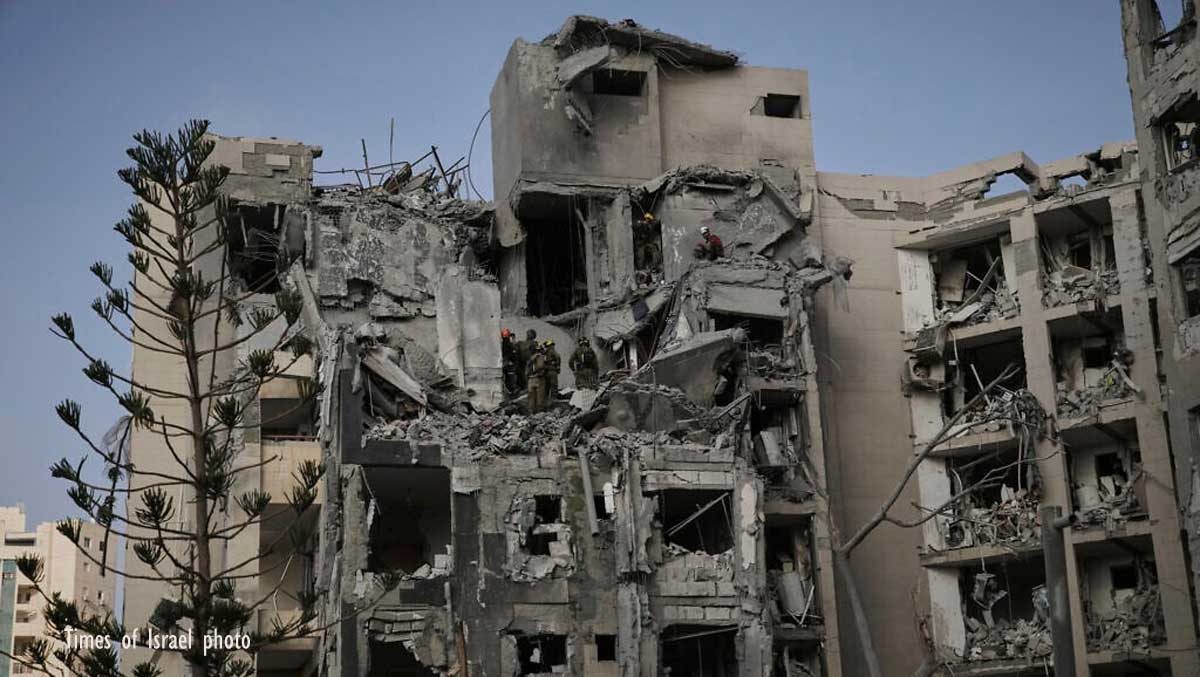
Political violence and terrorism coverage, often part of property coverage, may be triggered by the war. Exposure is uncertain but could generate losses in GCC countries, notably including data centres and other infrastructure previously viewed as safe. We believe losses have been limited so far, but further strikes on key infrastructure remain a significant risk.
Trade credit and political risk insurers may face rising claims if energy price shocks or trade disruption trigger insolvencies among corporates reliant on Gulf trade routes. Standard war exclusions limit direct trade credit exposure, but energy, petrochemicals, and transportation sectors remain vulnerable, notably in Asian markets reliant on Gulf hydrocarbon imports.
Gulf insurers are heavily reinsured but global reinsurers have reduced exposure to the region. For diversified reinsurance groups, Fitch views the conflict at this stage as an earnings event driven by specialty lines. However, the potential for correlated losses may increase earnings volatility and could pressure capital should the conflict become prolonged, or should there be a more systemic shock to global economies and financial markets.