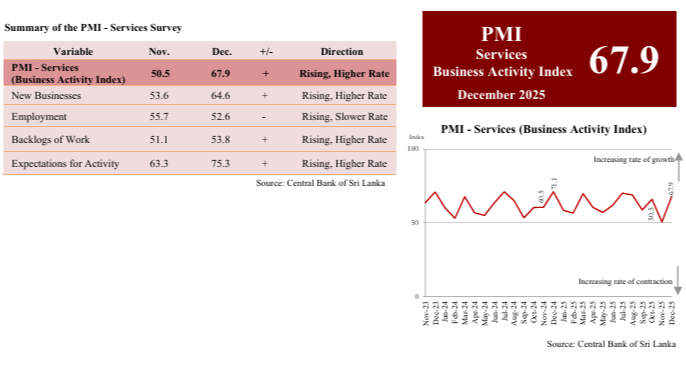
Sri Lanka’s robust 5.01% economic rebound signals post-crisis stabilization, though sustained recovery hinges on deepening structural reforms and external trade trajectory. — Sri Lanka’s significant 5.01% real economic growth marks a critical turnaround from the prior year’s contraction, driven by an initial post-crisis recovery, potential stabilization in domestic demand, and a resurgence in key sectors like tourism and remittances. This recovery, while strong, benefits from base effects and remains nascent, facing ongoing challenges related to high public debt, persistent inflationary pressures affecting real incomes, and the need for sustained external sector rebalancing. Compared to India’s robust 6.2% growth, Sri Lanka demonstrates a promising trajectory, but the G7’s slower growth suggests a cautious global demand environment that could impact export-oriented recovery efforts. The future outlook requires careful navigation of monetary and fiscal policies to cement stability and foster sustainable growth. Policy implications include balancing disinflationary objectives with growth support, advancing debt restructuring, and implementing structural reforms to enhance productivity and competitiveness. Maintaining fiscal discipline and strengthening social safety nets are paramount to mitigate socio-economic vulnerabilities, ensuring the benefits of recovery are broadly distributed and do not exacerbate existing disparities. The trajectory of international reserves and sustained foreign direct investment will be key indicators of long-term economic resilience.