Reports have emerged of United States aircraft losses over Iran, drawing significant international attention amid ongoing hostilities.
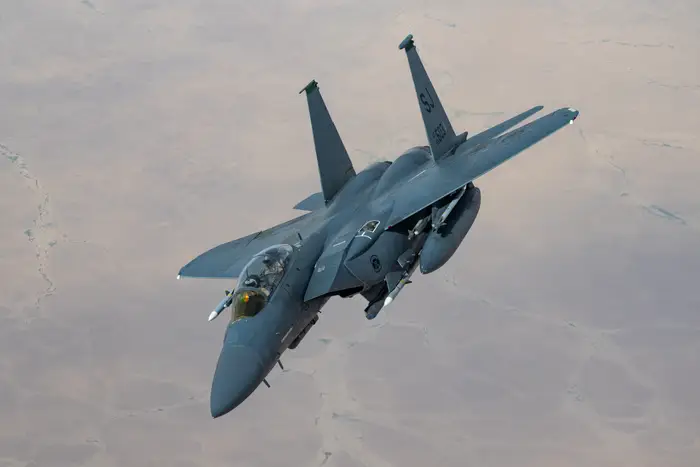
According to multiple international media outlets, including The Guardian, one US fighter jet has been confirmed shot down over Iranian territory. The aircraft is reported to be an F-15E Strike Eagle, a two-seat combat aircraft used in strike operations. One crew member has been rescued, while the second remains missing, with search and rescue operations continuing.
US officials have acknowledged the loss of the aircraft, though operational details remain limited due to the ongoing nature of the conflict.
Separately, Iranian state-linked media outlets have claimed that a second US aircraft has also been downed, identifying it as an advanced F-35 stealth fighter jet. These claims have circulated widely across regional and international channels.
However, there has been no confirmation from the United States Department of Defense, and major international broadcasters including BBC, CNN, and Sky News have not independently verified the downing of a second aircraft.
Earlier in the conflict, there have also been reports of other US aircraft incidents, including crashes and operational losses, though not all have been attributed to direct enemy action.
The developments come as the United States continues air operations over Iranian territory. US officials have maintained that their forces retain air superiority in the region, while acknowledging that operations remain complex.
Iran has continued to assert that its air defence systems are actively engaging incoming aircraft, though independent verification of specific claims remains limited.
At present, the situation can be summarised as follows: • One US aircraft: confirmed lost over Iran
• Second aircraft: claimed by Iran, not independently verified
• Official US position: operational details remain limited
TRUMP ESCALATES – WAR NOW TARGETING INFRASTRUCTURE
Be that as it may, the war in the Middle East has entered a more dangerous phase – not because it is expanding geographically, but because it is hardening strategically.
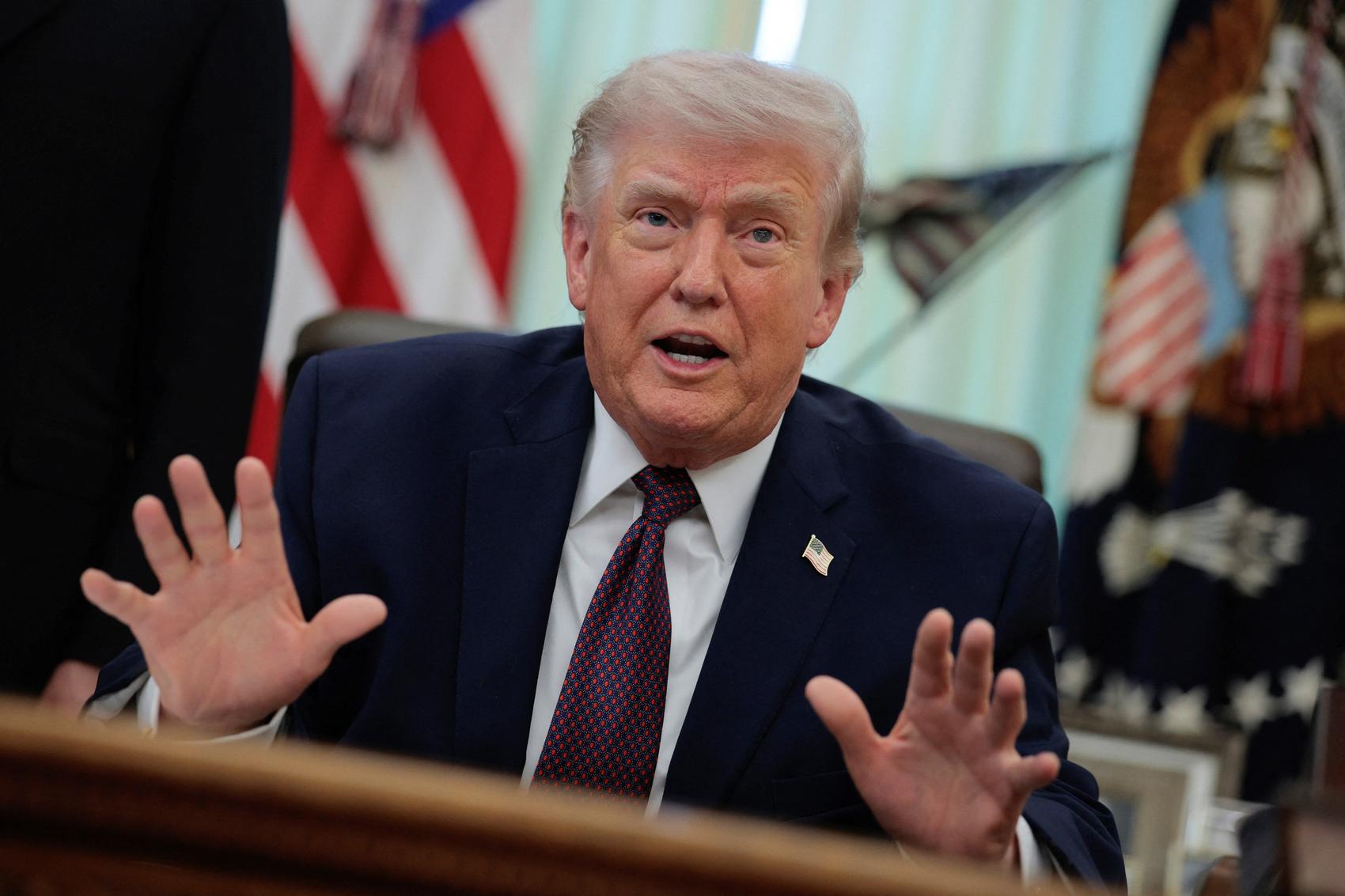
Donald Trump has now openly threatened to strike Iran’s bridges, power plants, and core infrastructure, marking a shift from military targets to systemic disruption.
That matters.
Because once a war begins targeting infrastructure, it is no longer about disabling an opponent – it becomes about breaking a nation’s ability to function.
The rhetoric has also intensified. Trump has warned Iran could be “hit extremely hard” and even suggested actions that could push the country “back to the Stone Age.”
Legal experts are already raising questions under international humanitarian law, particularly regarding attacks on civilian infrastructure.
The strategic problem is clear.
The original justification of the war – neutralising a perceived nuclear threat – has now broadened into something more fluid, more aggressive, and more uncertain in its endpoint.
Iran, for its part, has not backed down.
Retaliatory strikes continue across the region, and the war is now defined less by decisive advances and more by sustained attrition.
THE STING
When wars shift from targets to systems… they stop being contained.
NATO UNDER STRAIN – ALLIANCE AT ITS WEAKEST MOMENT
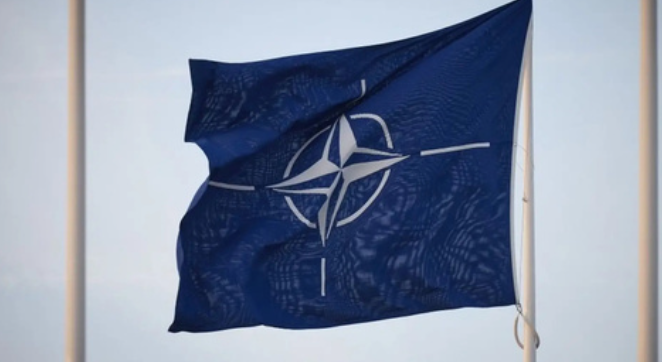
For decades, NATO has been the backbone of Western security. Today, it looks uncertain.
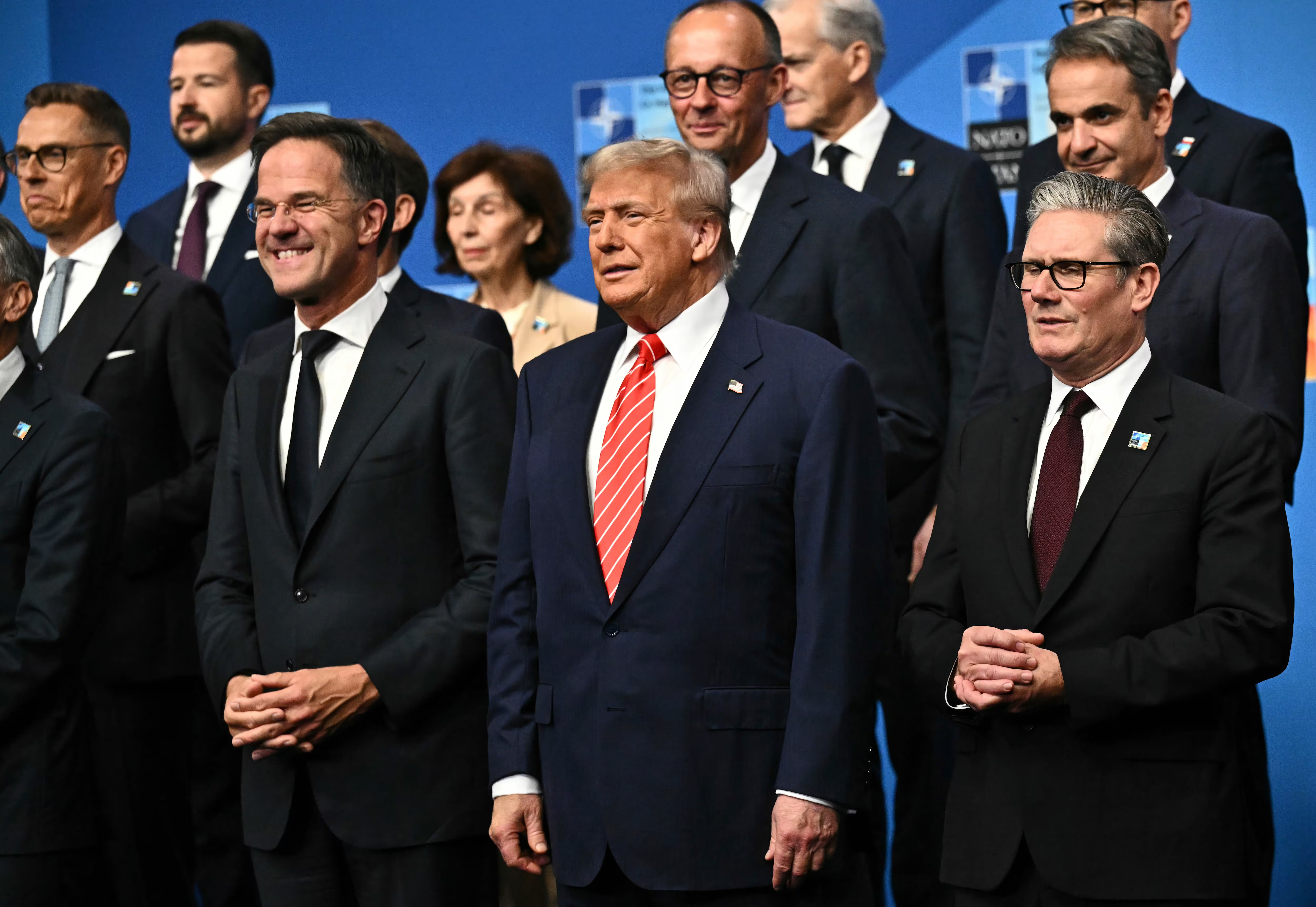
Trump’s anger at European allies refusing to support operations around the Strait of Hormuz has pushed the alliance into what analysts are calling its weakest moment since 1949.
The tension is simple. The United States wants support. Europe wants caution.
Trump has even floated the possibility of withdrawing from NATO – something that, even if not immediately actionable, fundamentally alters trust within the alliance. Because alliances do not survive on treaties alone.
They survive on predictability.
European leaders are now quietly preparing for a scenario once unthinkable:
A NATO without guaranteed American backing
THE STING
An alliance questioned daily… becomes an alliance weakened permanently
BRITAIN TURNS TO EUROPE –
POST-BREXIT RESET
The UK is repositioning itself. Keir Starmerhas called for closer ties with Europe, linking the move directly to the instability caused by the Iran war.
Britain is also hosting talks with over 35–40 countries to address the Hormuz crisis – not militarily, but diplomatically.
This is a subtle but important shift. Britain is not aligning fully with the US. Nor is it returning to the EU. It is positioning itself as a bridge.
• Brexit realities are being reassessed
• Europe becomes more central to UK policy • US reliability is quietly questioned
THE STING
When crises hit… geography matters more than ideology.
GLOBAL ENERGY SHOCK – HORMUZ DISRUPTION SPREADS
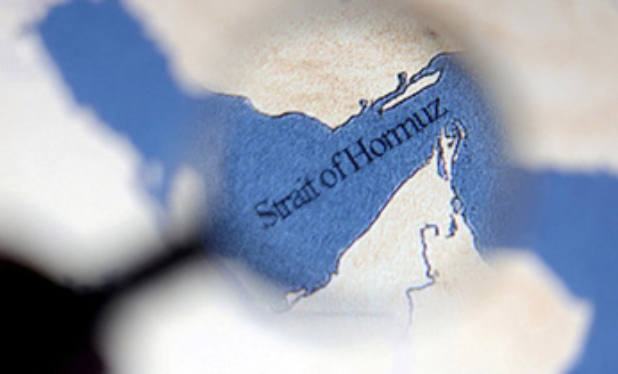
The Strait of Hormuz is not just a waterway. It is the artery of global energy.
With disruption ongoing, global markets are reacting:
• Oil prices rising
• Shipping routes disrupted
• Insurance costs increasing
Trump’s position – telling countries to “take care of it themselves” – has added to uncertainty.
THE REAL IMPACT
• Food prices rising globally
• Inflation pressure returning
• Supply chains tightening
This is no longer a regional conflict. It is a global economic event.
THE STING
When oil stops flowing… everything else slows with it.
IRAN HOLDS THE LINE – WAR STALEMATE EMERGES
Despite sustained pressure, Iran has not collapsed. Instead, it has adapted. The war – now weeks in – has failed to deliver decisive outcomes.
Iran continues to:
• Retaliate militarily
• Maintain strategic leverage • Disrupt shipping
At the same time, internal dynamics are shifting. Hardline elements appear to be gaining influence, strengthening rather than weakening the regime.
WHAT THIS MEANS
• War becomes prolonged
• Costs escalate
• Outcomes become less predictable
THE STING
Wars meant to end quickly… rarely do.
EUROPE PUSHES BACK – “NOT OUR WAR”
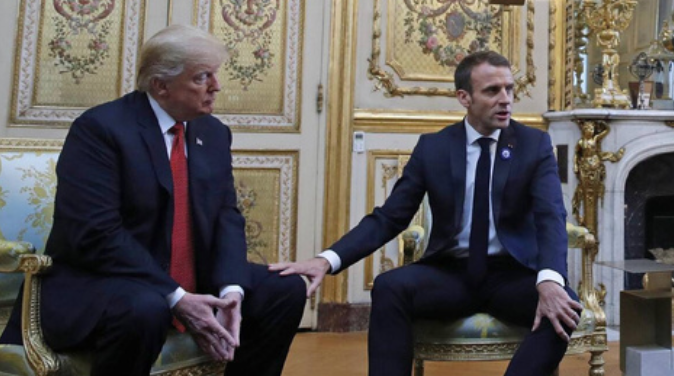
Europe’s position has hardened. Several major countries have rejected calls to join military operations in the Strait of Hormuz, making it clear:
This is not their war.
Emmanuel Macron has gone further, calling the idea of reopening Hormuz by force “unrealistic.” That is not just disagreement. It is strategic divergence.
Countries like Spain have even described the war as a “serious mistake,” refusing to provide military support.
THE SHIFT
Europe is no longer aligning automatically with Washington. Instead, it is:
• Seeking diplomatic routes
• Avoiding escalation
• Protecting its own economic interests
THE STING
When allies say “not our war”… the war changes shape.