Sri Lanka has reported over 2,000 dengue cases in the first month of 2026, raising alarms among public health authorities and local communities.
The outbreak, concentrated in urban and semi-urban areas with stagnant water accumulation, is a stark reminder of the intersection between environmental management, public health infrastructure, and governance efficacy.
Dengue, a mosquito-borne viral disease, is highly sensitive to climatic conditions. The recent post- cyclone flooding, combined with disrupted waste management systems, has created optimal breeding grounds for Aedes aegypti, the primary vector.
Authorities have ramped up fumigation campaigns and public awareness drives, yet these reactive measures are insufficient without sustained preventive strategies.
Analytically, the spike in cases reflects systemic governance challenges. Municipal councils often struggle to maintain drainage and sanitation infrastructure, while public health messaging competes with political and economic distractions. Surveillance mechanisms exist but are fragmented, leading to delays in outbreak detection and resource allocation. The 2026 surge is an early warning that structural reforms in public health management remain overdue.
Communities themselves are part of the solution but require empowerment through education, access to clean water, and consistent engagement. Schools, workplaces, and neighborhood committees can contribute to source reduction, but only if supported by policy incentives, monitoring, and rapid response systems.
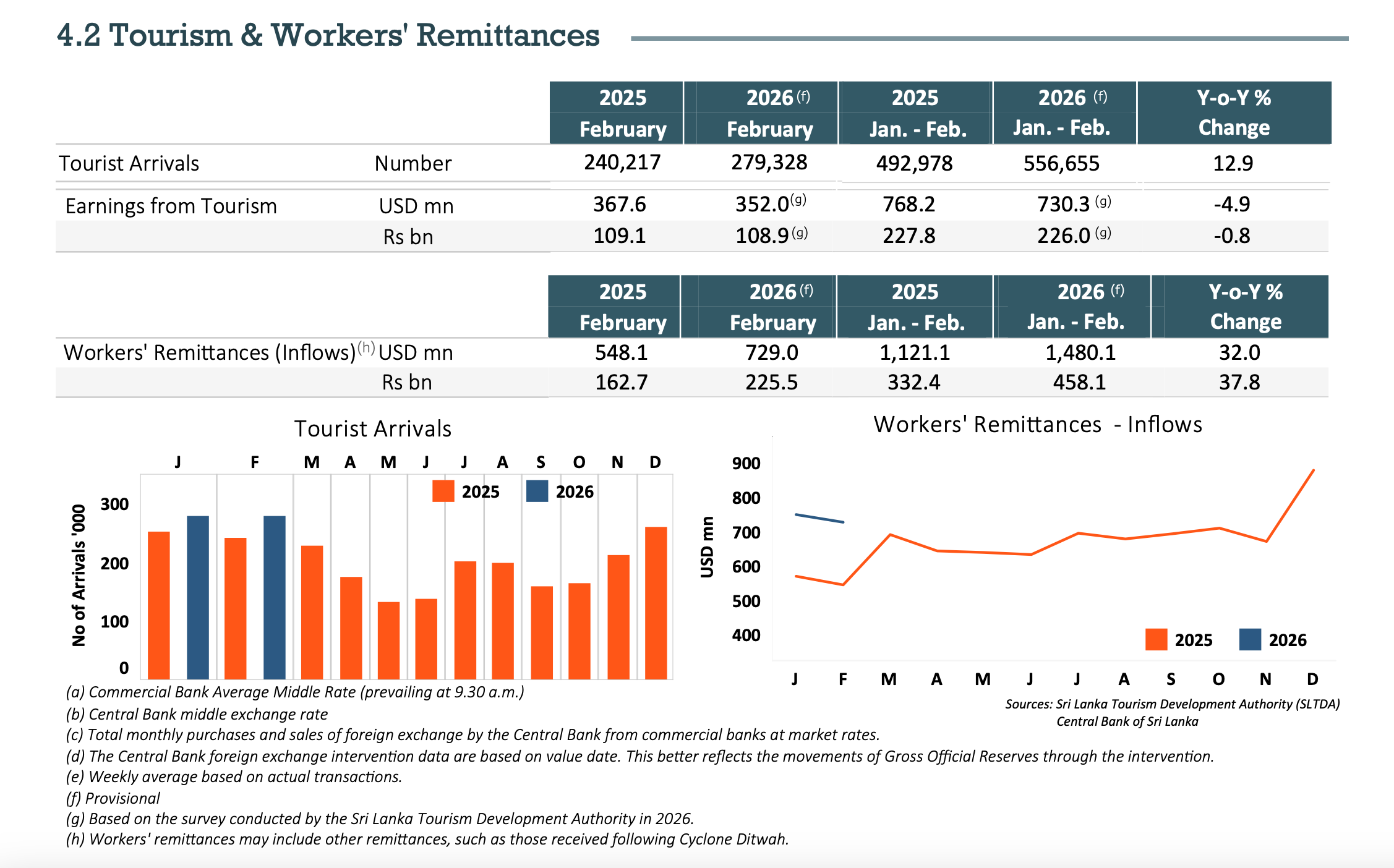
The economic implications are significant. Dengue outbreaks strain hospital resources, reduce workforce productivity, and can negatively impact tourism — a sector already vying for a rebound this year. Therefore, controlling the outbreak is not merely a health imperative but a broader socio- economic necessity.
From a strategic standpoint, the dengue surge highlights the need for integrated approaches: combining epidemiological research, climate data modeling, community engagement, and inter-agency coordination. Policymakers must also consider long- term preventive infrastructure, including improved drainage, housing design modifications, and robust vector control strategies, to reduce recurring outbreaks.
Ultimately, the rising dengue cases are more than a seasonal hazard; they are a litmus test of Sri Lanka’s governance, planning, and public resilience. Success will require moving beyond crisis response to building a system capable of anticipating, mitigating, and managing public health threats — a challenge that echoes across other domains, from disaster recovery to urban planning.