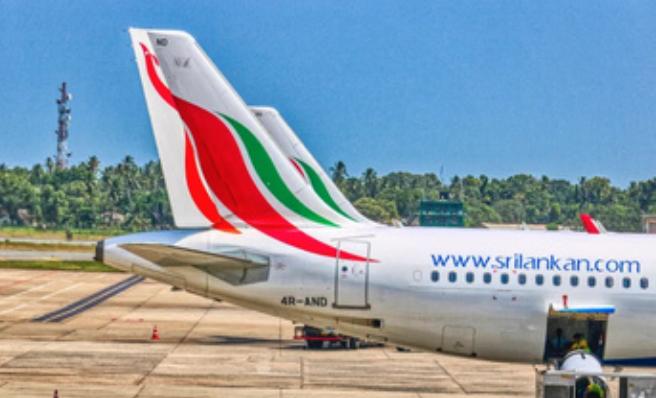
Sri Lanka’s renewed aviation expansion — marked by new routes, increased capacity, and the much-touted arrival of Jetstar’s low-cost direct flights from Melbourne to Colombo — is being sold as evidence that the island is back in business. Runways, it seems, are once again standing in for reform.
On the surface, the numbers are encouraging. More flights mean more tourists. More tourists mean more foreign exchange. After years of crisis, that arithmetic is politically irresistible.Aviation connectivity has become the recovery narrative of choice — visible, countable, and easy to announce.
But aviation is not recovery. It is access.
Sri Lanka has learned this lesson repeatedly, often the hard way. Passenger arrivals alone do not equal economic resilience. Without strong domestic value capture, tourism risks becoming a high-volume, low-retention industry — one that looks impressive at Bandaranaike International Airport but leaks value everywhere else.
The inclusion of low-cost carriers like Jetstar does change the visitor profile. Budget travel increases volume, diversifies demographics, and reduces dependence on traditional European markets. That is a strategic positive. But it also places pressure on infrastructure, labour standards, and local margins — areas where Sri Lanka’s tourism ecosystem remains uneven.
Airlines respond to demand, not development plans. If routes succeed, they stay. If margins thin or political instability returns, they disappear. Aviation is brutally unsentimental. The risk for Sri Lanka is confusing airline interest with investor confidence.
What matters more than the number of routes is what happens after landing. Are tourists spending locally or through offshore platforms? Are hotels sourcing domestically or importing everything from linen to lettuce? Are tourism jobs stable, skilled, and dignified — or seasonal and disposable?
These questions rarely appear in route-launch press releases.
The aviation push also exposes a deeper policy habit: Sri Lanka prefers gateways to groundwork. It invests in access before fixing absorption. The result is congestion without consolidation — more arrivals chasing the same narrow corridors of value.
None of this argues against aviation growth. It argues against mistaking it for strategy.
Air connectivity is necessary. It is not sufficient. Without parallel reforms in tourism governance, local supply chains, urban planning, and environmental regulation, expanded air traffic risks amplifying existing weaknesses rather than correcting them.
Runways can reopen faster than economies can rebuild. Sri Lanka would do well to remember the difference.