Be that as it may, the message from Moscow was not dressed in diplomacy. It was delivered as strategy.
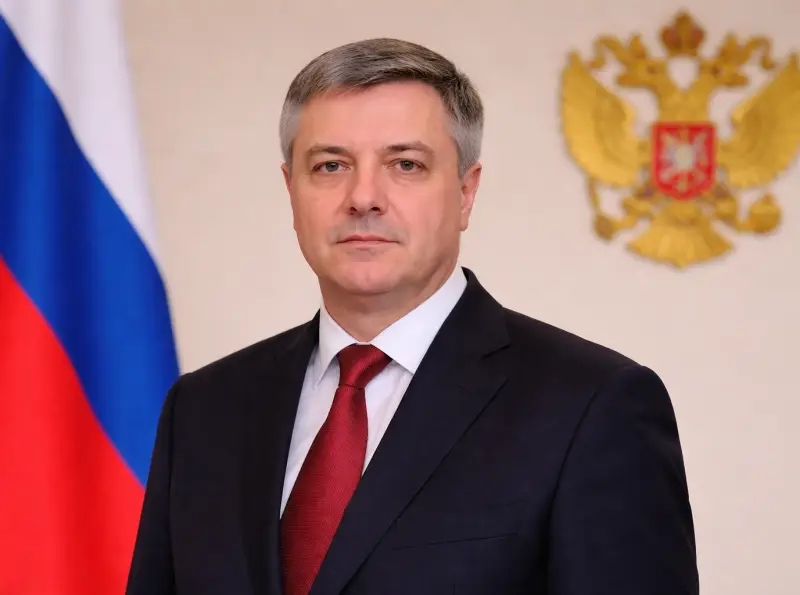
At a moment when the global order is shifting beneath our feet, Russian Deputy Foreign Minister Andrey Rudenko arrived in Colombo with an offer – and a warning. The offer: energy security, investment, and long-term partnership. The warning: the world you relied on is changing.
At a high-level forum in Colombo, Rudenko made Russia’s position unmistakably clear. Countries like Sri Lanka, he argued, must move beyond short-term survival tactics – beyond spot purchases, beyond dependency on sanctions-driven systems – and anchor themselves in long-term, sovereign agreements. In plain terms: choose stability over uncertainty, even if it means choosing differently.
Energy sits at the centre of this proposition. Russia is offering not just supply, but structure – including advanced solutions such as floating small modular nuclear plants, already operational in Siberia. It is a pitch designed for nations struggling with volatility: predictable power, predictable partnerships.
But this was never just about energy.
It was about the shape of the world ahead.
Rudenko outlined a future where the dominance of the U.S. dollar weakens, where trade shifts into national currencies, and where blocs like BRICS create space for what is now called the Global South. The implication is direct: the centre of gravity is moving – toward a Russia– India–China axis – and countries like Sri Lanka must decide where they stand.
Tourism, payments, Port City investment – these were not side notes. They were signals of a broader integration strategy. Build links. Deepen flows. Lock in relationships.
And then came the harder edge.
Russia’s position on the Iran conflict was unequivocal. Tehran, it said, is a victim acting in self-defence. The war, it warned, threatens global energy security. The subtext: the West is no longer the sole narrator of global legitimacy.
The authority paragraph is unavoidable: this is not outreach. This is alignment.
Be that as it may, Sri Lanka’s dilemma is as clear as it is uncomfortable. Engage with Russia and risk friction with Western systems – IMF structures, financial channels, geopolitical expectations. Ignore the offer, and remain exposed to the very volatility now shaking global markets.
There is no neutral ground left. Only calibrated choices.
THE STING
When great powers redraw the map, smaller nations don’t get invited to design it. They get asked – quietly – which side they are on.