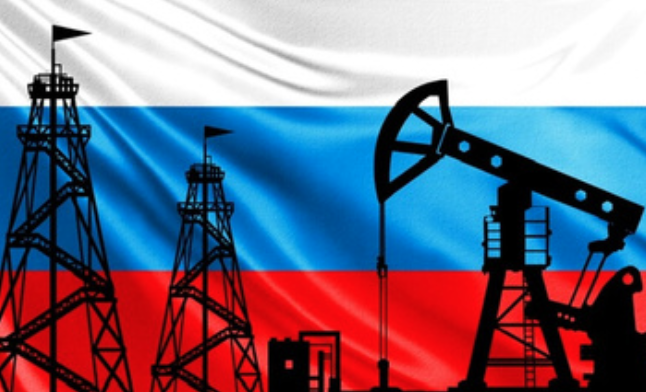
Russia said Friday (6) that demand for its oil and gas has increased as the conflict in the Middle East disrupts global energy supplies.
Kremlin spokesman Dmitry Peskov told that the war has led to a significant rise in demand for Russian energy resources and Russia continues to be a reliable supplier of oil and gas, including liquefied natural gas.
The conflict has affected shipping through the Strait of Hormuz, a critical maritime route responsible for transporting about one-fifth of the world’s oil and liquefied natural gas.
Russia’s energy sector has faced heavy Western sanctions since the 2022 invasion of Ukraine, prompting European countries to reduce reliance on Russian oil and gas.
Trade restrictions imposed by the European Union led to a sharp drop in trade between Russia and EU countries between 2022 and 2025, while pipeline gas exports to Europe fell 44% last year to their lowest level since the mid-1970s.
The EU plans to phase out Russian liquefied natural gas imports by the end of 2026 and pipeline gas imports by September 2027.
Analysts say disruptions in Middle East energy supplies could temporarily increase demand for Russian exports despite those efforts.