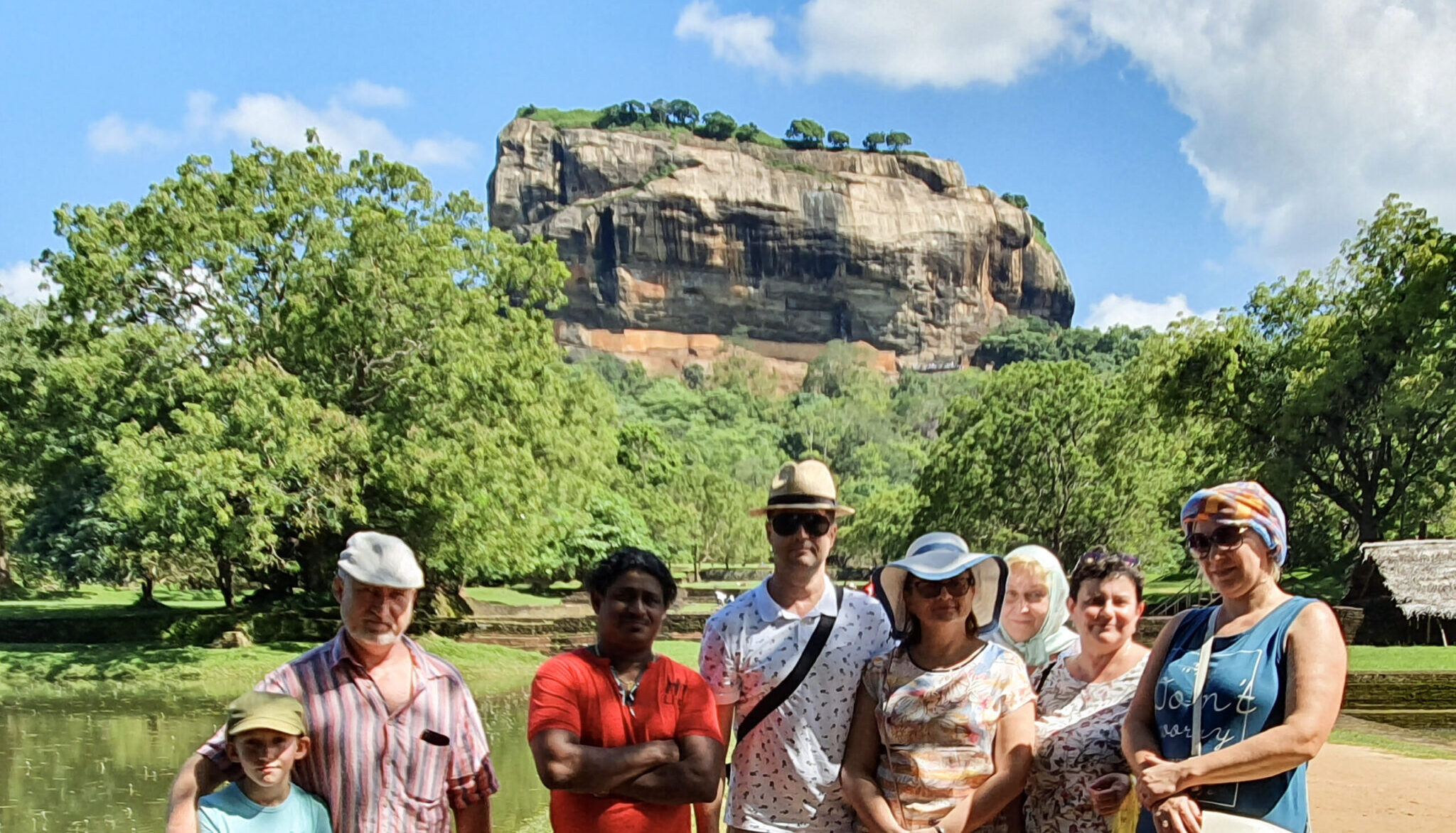
At a time when tourism often tests the limits of heritage and habitat, Sigiriya offers a counter-argument: that conservation and commerce need not be adversaries.
Rising dramatically from Sri Lanka’s Cultural Triangle, the fifth-century rock fortress—inscribed as a UNESCO World Heritage Site—has quietly become a case study in how to protect a national asset while funding its own preservation.
A Steady Stream, Not a Stampede
Sigiriya’s visitor management is deliberate. Entry is ticketed, flows are regulated, and access to sensitive areas —frescoes, mirror wall, summit pathways—is controlled. The result is not mass tourism but managed tourism: a steady stream of visitors, not a destructive surge.
That discipline matters. The site’s revenues—generated primarily through entrance fees—are ploughed back into maintenance, archaeological research, conservation staffing, and infrastructure. In effect, the monument earns its keep. This is sustainability with a balance sheet.
Conservation That Pays for Itself
Unlike destinations that chase volume at the expense of value, Sigiriya has leaned into pricing for preservation. Higher fees for foreign visitors reflect global best practice at heritage sites, while local access remains protected.
The model acknowledges a simple truth: conservation costs money—and those who benefit most can help pay for it.
Equally important is what the money does not fund. There is no over-commercialisation at the base, no neon clutter on the climb, no intrusive retail on the summit. The landscape remains legible; the story remains intact.
Community Without Compromise
Sustainable tourism also means local inclusion without local erosion. Employment around Sigiriya—from guides to hospitality—draws from nearby communities, creating livelihoods that depend on preservation, not exploitation. When a monument’s survival underwrites jobs, conservation becomes a shared interest.
Lessons for the Wider Industry
Sri Lanka’s tourism debate often swings between two poles: open the gates wider or lock everything down. Sigiriya charts a third path. It shows that clear rules, firm enforcement, and transparent reinvestment can deliver both protection and prosperity.
This matters as hotels pledge zero-plastic goals and destinations market “green” credentials. Sustainability is not a slogan at Sigiriya; it is operational. The site limits wear, funds repair, educates visitors, and resists shortcuts.
The Bottom Line
Sigiriya’s success is not accidental. It is the product of restraint, planning, and a refusal to trade tomorrow for today. In a country rich with heritage—and fragile by history—that lesson is exportable.
Protect the asset. Price it honestly. Reinvest relentlessly. Sigiriya proves that when tourism is managed, heritage endures—and pays its way.