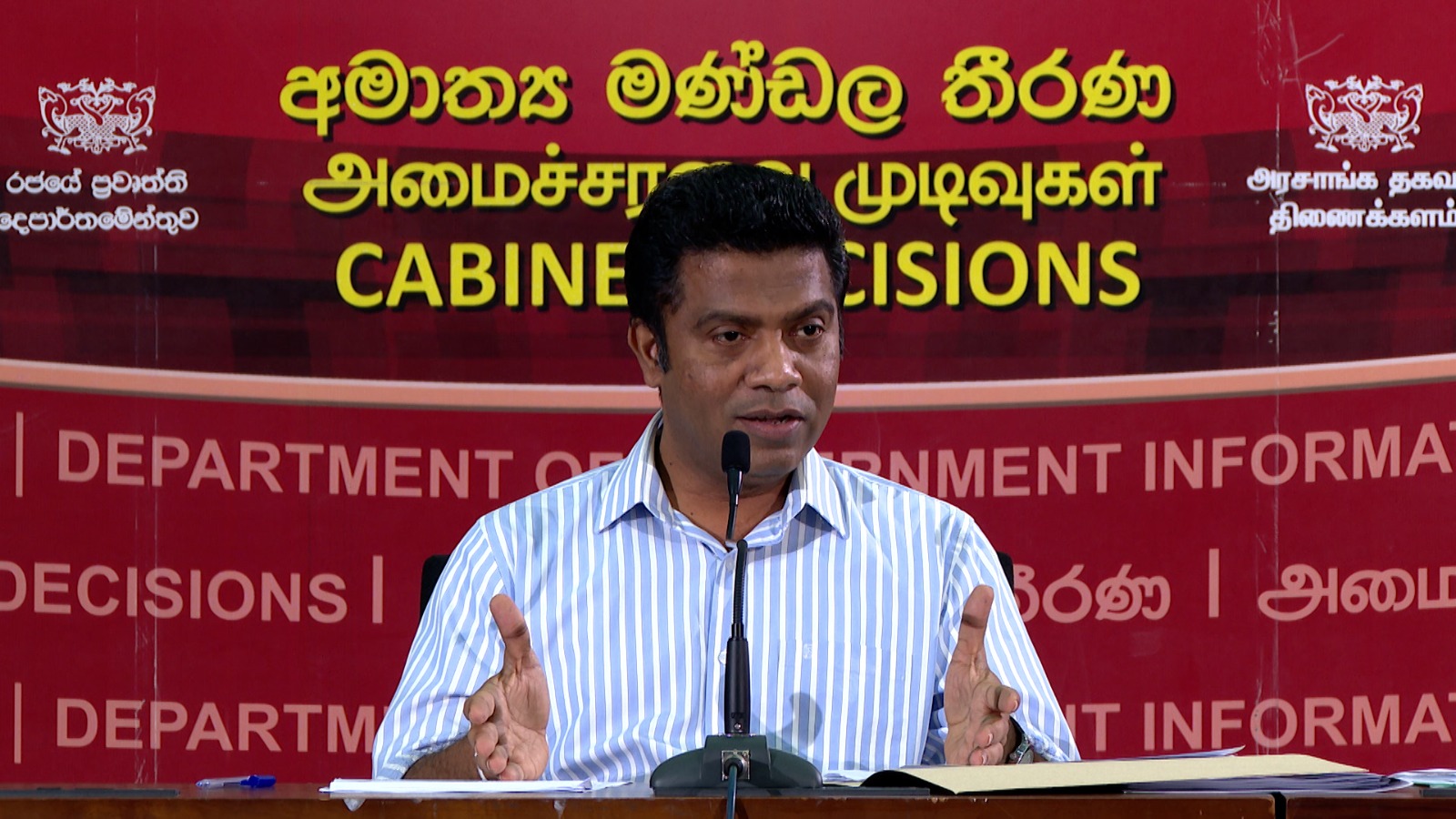
The Cabinet of Ministers in Sri Lanka has announced plans to invite expressions of interest from potential investors to convert 24 underutilized state bungalows and houses into productive assets under a 30-year lease arrangement, according to Cabinet Spokesman Nalinda Jayatissa.
The government has identified these properties for potential use by embassies, international organizations, and diplomatic services, as well as by government and government-affiliated institutions. Additionally, there is interest in transforming them into high-end restaurants and boutique hotels.
This initiative follows a comprehensive review by a government-appointed panel, which developed strategies for maximizing the economic and effective use of these properties. Previously, these bungalows and houses served as residences for former ministers and have since remained underutilized.
“The Committee has recommended in their report the utilization of these bungalows for embassies, international organizations, diplomatic purposes, and more productive investment projects, including high-end restaurants and boutique hotels,” stated Jayatissa, who also serves as the Minister of Media and Health, during the weekly post-cabinet news briefing.
The properties are set to be offered through a public-private partnership (PPP) model, designed to avoid any social issues, he added.
Sri Lanka possesses numerous state-owned houses, bungalows, and presidential residences, built by previous administrations for ministers and high-ranking officials. These properties have often been underutilized, highlighting inefficiencies in public resource management.
In October 2025, government authorities identified a total of 2,972 completed and partially completed government buildings that were not being used effectively.
Properties such as presidential houses and ministerial bungalows, often extensive estates with significant staff and land allocations, have historically represented elite privileges. These include lifetime housing for former presidents, some of whom occupied state residences for over 30 years without utilizing their own homes.
Under the administration of President Anura Kumara Dissanayake, a new plan was launched to address these inefficiencies. In 2024, the Cabinet resolved to repurpose all presidential residences, except two, for productive use.
This plan involves encouraging private sector investment to convert select bungalows into tourist accommodations, while simultaneously ending exploitative privileges.
(Colombo/January 06/2026)