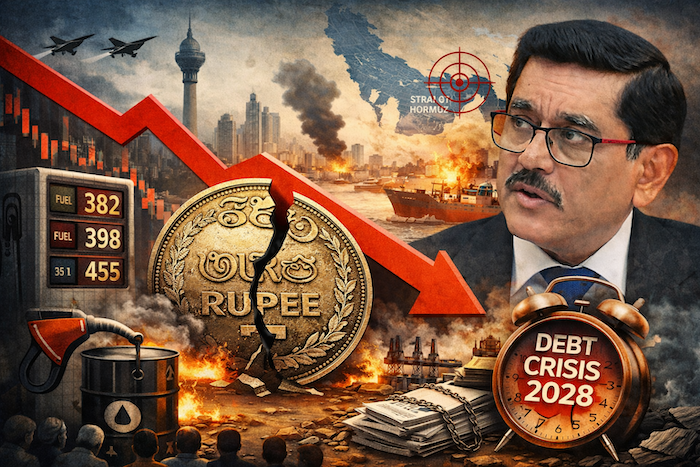
The cyclone’s economic impact comes as Sri Lanka’s external sector faces renewed strain. The Central Bank’s latest data shows that the country recorded current account deficits in both September and October, with October alone posting a USD 199.5 million deficit. The year-to-date surplus has begun to narrow sharply.
Imports surged 26.7 percent year-on-year in October to USD 2.16 billion, while exports slipped 0.7 percent. This widened the trade deficit to USD 1 billion—almost double the gap recorded a year earlier. Vehicle imports accounted for USD 261 million for the month, bringing cumulative imports to USD 1.46 billion for 2025.
Tourism earnings, a key pillar of the recovery plan, are also underperforming. Despite higher arrivals, average daily tourist spending fell by 13.5 percent to USD 148 per day. Analysts attribute the decline to post-pandemic travel shifts, currency depreciation and tighter budgets among visitors. The Sri Lanka Tourism Development Authority reported that independent travellers—who tend to spend less per day but stay longer—now make up a growing share of arrivals, with women accounting for 58 percent of tourists.
Worker remittances remain one of the few bright spots. October recorded the highest monthly inflow since December 2020. Yet overall pressure on the external sector persists, with the rupee depreciating five percent against the US dollar this year and foreign investors pulling funds from the CSE in October.
Reserves Under Pressure
With USD 435 million in external debt servicing obligations due in the final quarter of 2025, economists warn that Sri Lanka’s ability to maintain foreign reserves is increasingly uncertain. Even with expected inflows from the IMF and ADB, the combination of agricultural collapse, infrastructure destruction and weakening export competitiveness is likely to strain Colombo’s financial position further.
A Long Road to Recovery
Cyclone Ditwah has already caused hundreds of deaths and affected more than a million people across the island, according to initial assessments. Entire districts remain underwater, key roads and bridges are damaged, and thousands of families have been displaced.
With the full extent of the destruction still being assessed, Sri Lanka’s recovery promises to be long, costly and heavily dependent on international support.
The crisis has once again exposed the fragility of the island’s economy—and the severe vulnerabilities of communities facing the compounded effects of economic mismanagement, austerity and intensifying climate disasters.