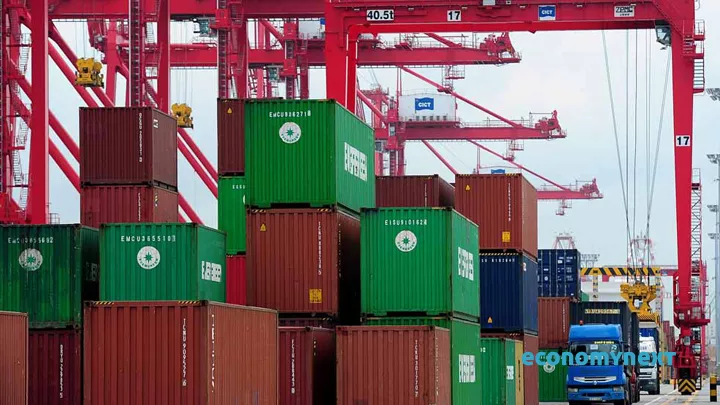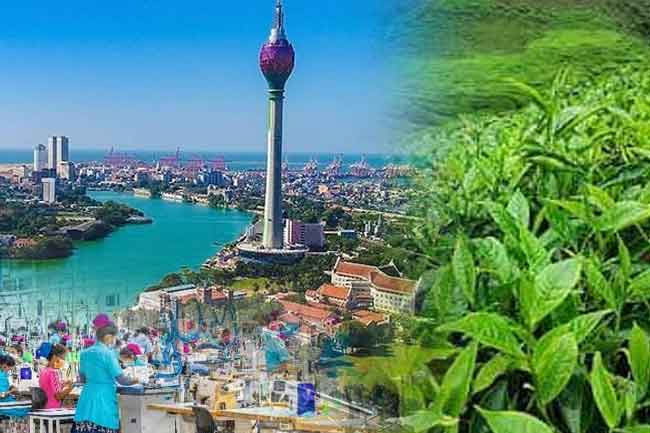
Sri Lanka steps into 2026 at a critical juncture, having navigated a cautious economic recovery through 2025 while confronting the disruptive aftermath of Cyclone Ditwah. Growth, which rebounded from severe contraction, is expected to remain positive this year, though reconstruction costs, suppressed private investment, and rising fiscal pressures are likely to slow momentum. The outlook now hinges on how fast government rehabilitation projects are executed, the consistency of monetary policy, and the ability to stimulate productive investments without aggravating inflation or debt.
Economic growth above 4% in early 2025 demonstrated that demand had begun to stabilize, supported by construction, logistics, financial services, and tourism. However, weather-related shocks late in the year weakened activity in coastal tourism, agriculture, transportation, and small enterprises. Forecasts for 2026 range between 2% and 3%, with the first half likely to be slower and the second half showing potential improvement as infrastructure work and public spending accelerate. Inflation is projected to stay moderate within a 4%–6% band, but price fluctuations in food, construction materials, and transport are likely due to cyclone-related supply disruptions.
Government revenue strengthened through tax reforms and increased import demand, yet fiscal stress remains acute as interest payments absorb a growing share of earnings. The need for rapid rebuilding and expanded social protection will widen spending demands at a time when high borrowing costs continue to suppress capital formation. Public debt remains elevated, and stability will depend heavily on efficient project execution and growth-led revenue rather than excessive taxation.
Despite improvements in tourism receipts and worker remittances, foreign reserves remain fragile and heavily dependent on short-term borrowing and multilateral funding. Rising import needs for reconstruction could further weaken reserve stability unless new investment flows materialize. The exchange rate is likely to face moderate depreciation pressure in 2026 as capital goods and raw materials are imported for rebuilding.
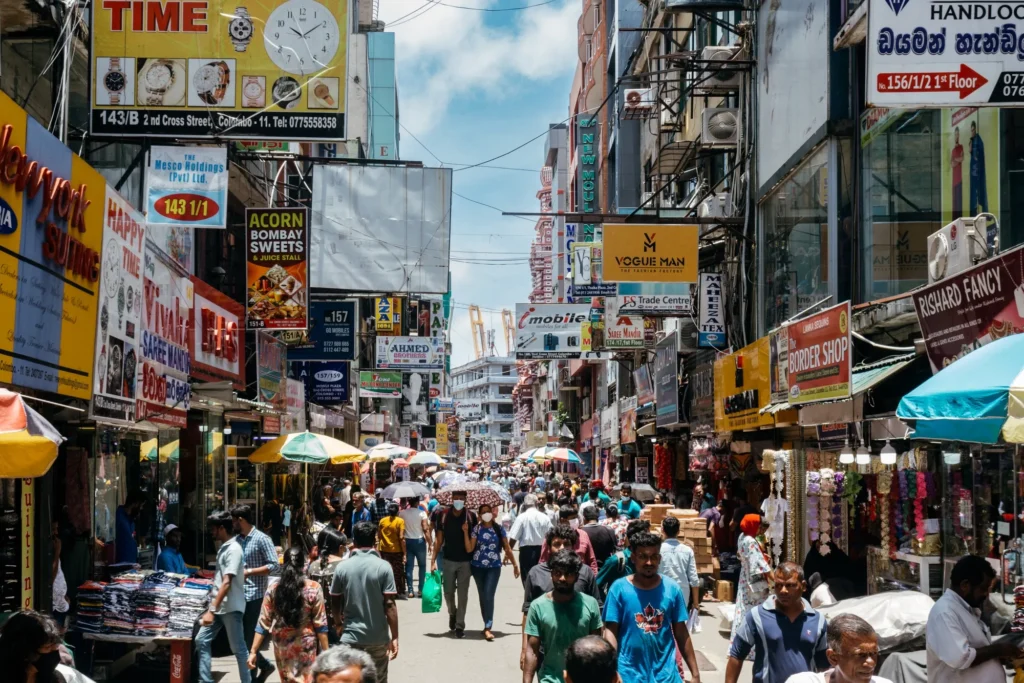
Sector-Specific Impact in 2026
Tourism
The industry was gaining momentum through 2025, but Cyclone Ditwah damaged coastal infrastructure, disrupted peak-season travel and increased repair costs for hotels and recreational facilities. Recovery depends on rapid restoration of transport links and beachfront areas. The high-end and eco-tourism segments may benefit sooner, while budget travel destinations could face a slower rebound. Increased insurance premiums and rebuilding costs may push up pricing in the sector in 2026.
Agriculture
Flooding and soil erosion from the cyclone reduced crop yields, particularly impacting paddy, fisheries, and plantation crops. Short-term price increases are expected as supply chains normalize, while export tea volumes may decline despite stronger auction prices. Agriculture dependent on seasonal rain patterns remains vulnerable, making investment in climate-resilient farming, seed varieties, and irrigation urgent to avoid recurring production shocks.
Telecommunications & ICT
The sector continues to expand through outsourcing demand, digital services, and global partnerships. However, high taxation and delayed policy approvals for foreign investment are limiting its full potential. Increased usage of digital platforms for remittances and trade services will support growth, but faster implementation of tech-friendly regulation will be essential to attract large-scale investments.
Construction & Real Estate
Reconstruction spending is expected to boost demand for building materials, steel, cement, and transport services. However, financing constraints for private developers and high interest rates will limit real estate expansion. Public projects may dominate the sector, with contractors dependent on government disbursement efficiency. If funding delays persist, construction momentum could stall despite high demand.
Financial Services & Banking
Banks remain stable, supported by lower bad loans and improved liquidity. Yet, disaster-related claims will weigh heavily on insurance companies, and banks may face higher risk from borrowers in agriculture, tourism, and SMEs. Interest rates are expected to remain slightly elevated, pressuring borrowers with limited cash flow. Credit growth will depend on whether banks extend targeted lending packages tied to rebuilding and business recovery.
Stock Market
The ASPI is likely to resume its upward trajectory by mid-2026, assuming there will not be some political turmoil

The capital market delivered historic gains through 2025 but is now likely to remain volatile as corporate earnings in tourism, insurance, construction, and agriculture adjust downward. Investor sentiment may improve midyear if interest rates ease and reconstruction projects proceed efficiently. State enterprise reforms, if implemented, could provide long-term upside, particularly in energy, logistics, and utilities.
Conclusion
Sri Lanka enters 2026 not in full crisis, but in fragile stabilization, with progress at risk of erosion if reconstruction is delayed or fiscal pressures escalate. The path forward demands disciplined spending, investment-led growth, rapid disaster recovery, and policies that attract private capital while protecting vulnerable communities. The year ahead offers opportunity—only if development is driven by action rather than reaction.