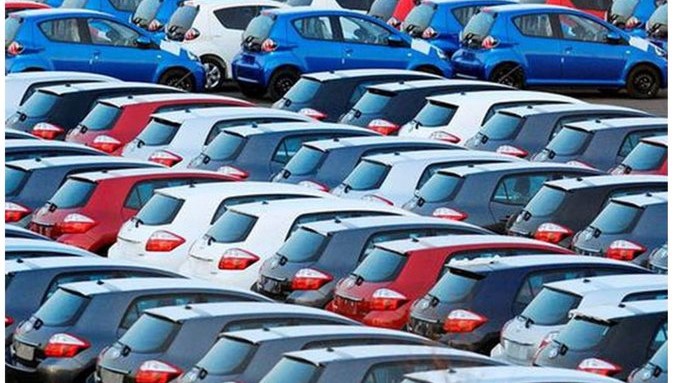
FINANCIAL CHRONICLE – Sri Lanka has generated 904 billion rupees from vehicle imports in 2025, significantly exceeding the initially anticipated 441 billion rupees, according to Deputy Economic Development Minister Nishantha Jayaweera.
The country had imposed a ban on car imports in 2020 following the central bank’s decision to cut interest rates and increase money printing, aiming to target potential output. This move was justified by the claim that imports were causing external economic issues.
Economic analysts describe import bans following money printing or ‘rate cuts’ as a cascading policy error in macroeconomics. Such actions typically lead to a reduction in government revenues and necessitate further money printing due to increased borrowing requirements.
The 2020 import bans, which extended to over 3,000 items, failed to prevent currency issues, ultimately leading to Sri Lanka’s default two years later. These currency and external challenges are attributed to the flawed operational framework of the central bank.
Both import and exchange controls highlight the central bank’s lack of accountability, with its shortcomings being concealed by economic restrictions on the populace, analysts have noted.
In 2025, the central bank depreciated the currency from 290 to 310 against the US dollar by selectively denying convertibility to private citizens after creating money. This action increased excess liquidity from unsterilized dollar purchases from the public.
An unsterilized purchase requires an unsterilized sale of dollars at the same rate to prevent depreciation, as the newly created rupees often translate into imports through bank investment credit, including for vehicles.
Sri Lanka began experiencing recurring currency crises post-civil war, following the International Monetary Fund’s technical advice for ‘monetary policy modernization,’ which rejected classical economic theories, notably Hume’s price-specie flow mechanism.
Vehicle import controls were also implemented in 2018 after money was printed and substantial foreign borrowings exceeded the dollar-financed deficit.
RELATED: Sri Lanka controls imports in ‘Nixon-shock’ move to protect soft-pegged rupee
Sri Lanka’s central bank initiated external crises in February 1952, where import and income taxes were temporarily increased. These import taxes became permanent when the central bank was established, effectively ending the currency board arrangement similar to those in Hong Kong and Singapore. (Colombo/Jan21/2026)