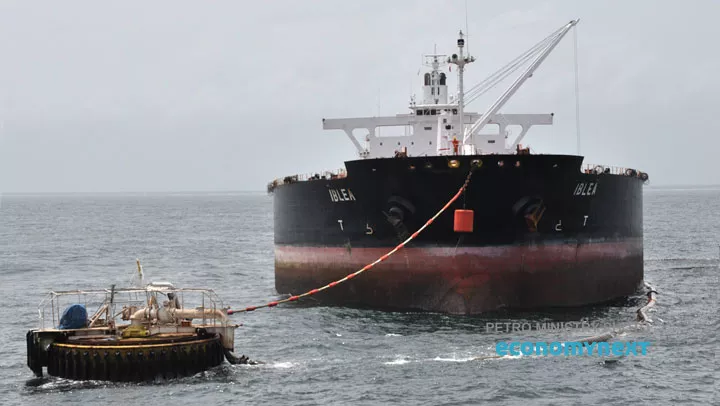
As of March 9, 2026, the global energy landscape has experienced a dramatic shift due to a sudden and sharp increase in oil prices. Brent crude has surged past $110 a barrel, driven by intensified geopolitical tensions in West Asia and the closure of the Strait of Hormuz, affecting countries across the Indian Ocean.
For Sri Lanka, a nation painstakingly recovering from its worst economic collapse over the past four years, this external shock poses a critical test to its fragile stability. Although the Central Bank of Sri Lanka asserts the nation is in a “much better position” than in 2022, the implications of a 20% rise in global fuel costs are daunting. The government has responded by increasing diesel prices by 7.8% and petrol prices by 10%, effective Tuesday, March 10.
Ballooning Import Bill
The spike in global oil prices immediately strains Sri Lanka’s trade balance, as the nation relies heavily on imported fossil fuels for transportation and a significant portion of power generation. Petroleum products typically constitute nearly 20% of the island’s total import bill, and a 25% surge in Brent crude, as occurred in March 2026, could add at least another US$1 billion to the annual outflow. This exacerbates the merchandise trade deficit, already pressured by an increase in vehicle and consumer goods imports.
This scenario creates a dual challenge for the external sector, as the cost of essential intermediate goods like furnace oil and diesel rises, increasing demand for foreign exchange from the state-run Ceylon Petroleum Corporation (CPC) and private importers. This situation tests the Central Bank’s reserve buffer of over US$7 billion and threatens the stability of the rupee. The trade deficit would widen significantly unless the government curbs petroleum product imports, possibly through a QR code system for motorists.
Return of 2022 Inflation Ghost
Inflation, which had peaked at 70% in 2022 before dropping to 1.6% last month, faces renewed pressures due to higher oil prices. The cost-push effect of oil prices affects everything from pump prices for petrol and diesel to the cost of transporting goods. The government has already implemented a price hike following the Iran attack, and the indirect impact is expected to raise the cost of other goods. These second-round effects will likely push the Colombo Consumer Price Index (CCPI) upward.
The Central Bank’s target to nudge inflation toward 5% in the latter half of the year may be compromised as the global oil shock could accelerate inflation beyond the intended threshold. As a net fuel importer, Sri Lanka sees higher global crude prices translate directly into higher pump prices under the government’s cost-reflective pricing formula. This creates a cascade effect on inflation across various sectors, affecting both consumers and businesses alike.
Energy Cost: Dual Blow
In Sri Lanka, oil is essential not only for transportation but also for electricity generation. Despite shifts toward renewables, thermal power remains crucial, particularly during dry seasons. The surge in global oil prices exacerbates domestic energy costs, as the country relies on imported fossil fuels for nearly 40% of its electricity and the entire transport sector. This situation forces the state-owned CPC to implement frequent price hikes, with estimates suggesting a 25-30% rise in pump prices within a quarter.
These increased costs ripple through the economy, driving up transport fees and the price of essential goods, while the state-run power utility firm must impose fuel surcharges on electricity bills. Analysts warn that if Brent Crude prices remain above US$120 per barrel, Sri Lanka could face a return to the power cuts and fuel queues experienced in 2022, potentially sparking social unrest.
Rupee Under Pressure
The Sri Lankan Rupee (LKR) has been stable, trading around 310-315 per US dollar, but soaring oil prices are exerting severe downward pressure. As a net energy importer, Sri Lanka requires more foreign exchange to secure fuel, causing the rupee to weaken to approximately Rs. 312.00 against the US Dollar following the initial price spike. This depreciation stems from a widening trade deficit and increased dollar demand for oil bills, depleting the country’s foreign reserves.
This twin shock of high oil prices and a falling currency poses a critical threat to economic stability. A weaker rupee makes all other imports more expensive, importing inflation and raising the cost of living. It also complicates debt restructuring and the IMF-backed recovery, as servicing foreign-denominated debt becomes costlier in rupee terms.
Slower Growth Ahead
Before this shock, Sri Lanka anticipated GDP growth of nearly 5% for 2026. High oil prices act as a brake on this momentum, as increased spending on fuel and electricity reduces disposable income for other goods and services, slowing the retail and service sectors. Higher energy costs also make industrial output more expensive, potentially leading to a contraction in manufacturing PMIs (Purchasing Managers’ Index).
The surge in oil prices poses a direct threat to Sri Lanka’s projected economic growth by increasing production costs across all industrial sectors. While the Central Bank Governor noted that the nation’s $7 billion reserve buffer provides more space to absorb these shocks than in 2022, prolonged high prices could significantly widen the trade deficit and stall the momentum of the IMF-supported recovery program.
Kitchen Table Impact
For the average Sri Lankan citizen, global Brent crude prices translate to the cost of a loaf of bread or a bus fare. A hike in auto-diesel prices usually triggers a rise in bus and train fares. Since agriculture depends on tractors and transport to bring produce to market, food inflation, which had stabilized, is at risk of surging again.
The energy price shock is expected to make the oil bill unaffordable, forcing hikes in domestic petrol, diesel, and gas prices. This triggers a cascading effect where increased transport and electricity generation costs drive up the price of essential goods and services, neutralizing recent inflation moderation. The impact is felt across all income categories, with the poorest 20% spending a disproportionate amount of their budget on food.
Exports Face Competitiveness Crisis
The surge in global oil prices could severely impact Sri Lanka’s export competitiveness, particularly in energy-intensive sectors like apparel, tea processing, and rubber manufacturing. Rising costs of furnace oil and diesel inflate production overheads, making Sri Lankan goods more expensive compared to competitors in countries with stable energy costs.
This erosion of competitiveness has dire implications for the country’s dollar inflows, which are crucial for external debt sustainability. A decline in export revenue, paired with the ballooning oil import bill, widens the current account deficit and weakens the Sri Lankan Rupee further. This energy-driven loss of market share could delay the transition to a sustainable growth path and complicate the government’s ability to meet upcoming international financial obligations.
IMF Targets Go for Six
Sri Lanka is currently under an Extended Fund Facility (EFF) with the IMF. If the government subsidizes fuel to shield the public, it risks missing the IMF’s primary surplus targets. The soaring global oil prices threaten to destabilize Sri Lanka’s $3 billion EFF, which depends on meeting strict fiscal targets. A spike in the national oil bill could drain the dollar reserves the IMF expects the country to accumulate, creating a tension between subsidizing energy to prevent social unrest and allowing prices to meet IMF benchmarks.
New Barriers in Debt Restructuring
The volatility in oil prices presents a major roadblock for Sri Lanka’s debt restructuring. Current agreements with international bondholders and bilateral creditors assume moderate energy costs and steady economic growth. Sustained high oil prices could trigger a recession or significant rupee depreciation, necessitating renegotiation of bonds and repayment schedules. This situation pushes the path to economic normalcy further away, prolonging the economic hardship that began in 2022.
Inadequate Reserves
The surge in global oil prices poses a direct threat to the stability of Sri Lanka’s foreign exchange reserves, which had reached US$7.28 billion by February 2026. Economists warn that sustained high oil prices could trigger a Balance of Payments crisis, as the annual fuel import bill swells. This pressure on reserves means that the hard-won economic stability of the past two years is at a critical tipping point.
Uncertainties in Businesses
The 20% jump in oil prices reintroduces volatility into corporate planning. The Colombo Stock Exchange (CSE) has already reacted with panic-driven selling. The surge in oil prices dampens Sri Lanka’s business and investment climate, just as it was recovering. The primary impact is a sharp escalation in operational costs, leading investors to adopt a wait-and-see approach. A sustained energy shock threatens to slow Sri Lanka’s projected GDP growth as businesses struggle to pass high costs onto consumers.