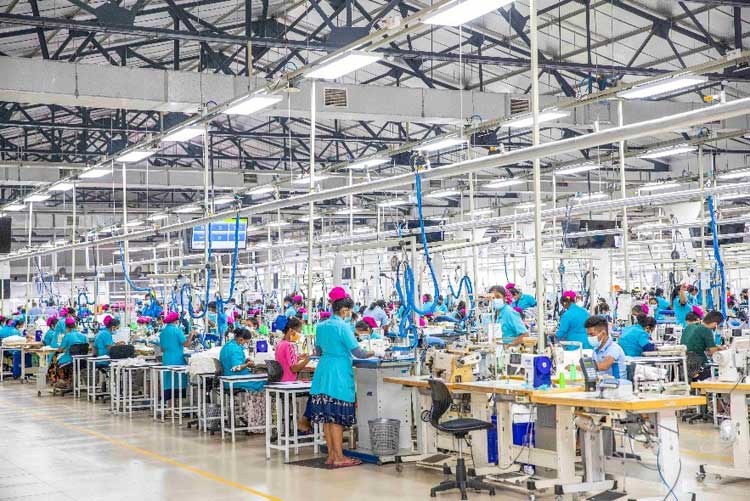
The United Kingdom’s updated Developing Countries Trading Scheme (DCTS), set to commence in January 2026, offers significant advantages for Sri Lanka’s garment industry, particularly benefiting small and medium-sized enterprises (SMEs) as they seek to establish a stronger presence in a crucial market.
The key advantage of the revised scheme is its practicality. By simplifying the rules regarding the origin of products and providing more flexibility in sourcing materials, the DCTS alleviates a challenge that has historically hindered smaller exporters. This change allows Sri Lankan companies to operate more nimbly, enhancing their pricing strategies, reducing lead times, and better accommodating the demands of buyers.
This adjustment is particularly impactful for SMEs. Their challenges have not stemmed from production capabilities but rather from the difficulty of sourcing competitively, managing expenses, and meeting the fast-paced and consistent expectations of international buyers. The increased flexibility within the DCTS helps bridge these gaps, empowering smaller exporters to engage more assertively and compete on a more level playing field.
From the perspective of the industry, the DCTS should be regarded as a catalyst for competitiveness. It creates opportunities for Sri Lankan exporters to enhance their positioning in the UK market, especially in sectors that prioritize adaptability, specialization, and shorter production timelines. These are areas where SMEs are ideally suited to make a significant impact and grow.
Joe Jayawardena, a UK apparel exporter with extensive experience in sourcing markets, emphasized the practical benefits of the DCTS. He pointed out that while the scheme provides duty exemptions for developing nations, its true strength lies in augmenting commercial flexibility. With the enhanced ability to source materials without jeopardizing preferential access, exporters can negotiate more effectively regarding price, lead times, and fabric choices—critical factors in securing and maintaining a foothold in the global apparel sector.
Additionally, the scheme facilitates stronger market engagement. With better access and operational flexibility, exporters are in a stronger position to forge direct relationships with buyers and pursue new business opportunities.
The DCTS serves as a timely opportunity to broaden prospects within the sector, bolster export growth, and foster the development of a more competitive and diverse apparel industry in Sri Lanka.