Sri Lanka’s solar power companies were assured a battery tariff of 46.80 rupees per unit to be effective in 2025. However, as of December, the Ceylon Electricity Board (CEB) has not provided the necessary guidelines or contract amendments, according to an industry association.
Without the implementation of the battery tariff, which is crucial for integrating more solar power into the system, solar energy is being curtailed during the daytime. This leads to wasted energy and revenue losses, pushing some companies into financial distress.
Despite a cabinet decision in June 2025, the CEB has not issued the required guidelines or contract amendments (PPA amendments), stated Prabath Wicramasinghe, President of the Grid Connected Solar Energy Association of Sri Lanka. He noted that several reminders have been sent, yet the guidelines or PPA have not been provided.
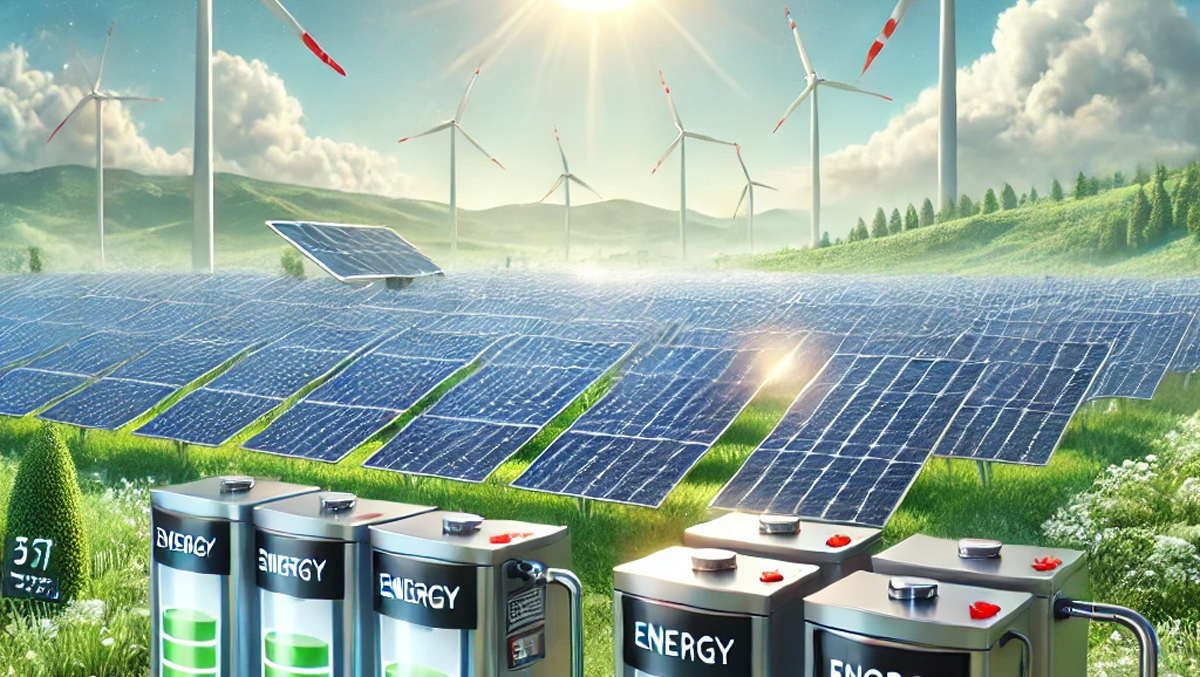
Batteries enable firms to store energy during the day and supply it during the night peak. Kishan Nanayakkara, a Committee Member of the Grid Connected Solar Association, mentioned that even if guidelines for a feed-in tariff are issued, it will take several months to set up batteries. The process would be further prolonged if tenders are called, he added.
Currently, solar energy is curtailed on holidays, leading to revenue loss for solar firms and complicating debt repayment. In January 2026, this curtailment was extended to weekdays, according to the association.
Since February 2025, following a grid failure caused by a wild animal strike, the CEB has reduced solar power purchases, resulting in the industry losing approximately 15 percent of its revenue, amounting to 2 billion rupees. This situation has placed highly leveraged firms in a difficult position with banks, officials reported.
The CEB needs to curtail solar power during the daytime to maintain grid stability, as it lacks battery or pump storage facilities to store energy. After the announcement of the 45.80 rupees battery tariff, Sri Lanka reduced taxes on imports of battery energy storage system equipment, potentially lowering costs.
A tender for large Battery Energy Storage System (BESS) plants by the CEB was priced at around 17 rupees (excluding energy). At the time the 45.80 rupees tariff was determined, there was no established market price due to a lack of free competition.
Industry officials expressed that building batteries at similar costs would be challenging for smaller solar plants. However, if a single large BESS is established, it may be feasible, but for any progress, the Ceylon Electricity Board must issue guidelines or initiate tenders, officials emphasized. (Colombo/Jan22/2026)