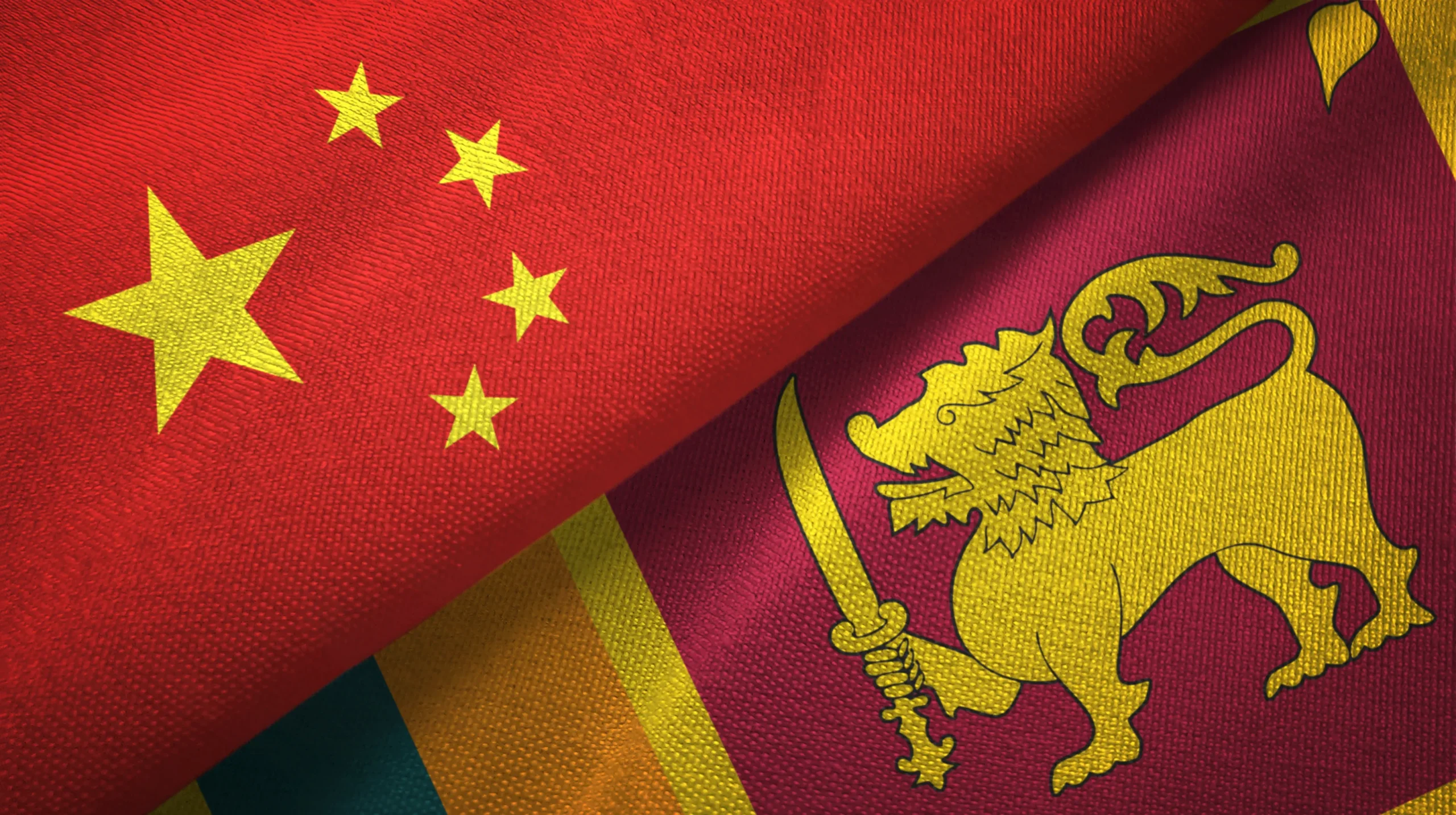
Sri Lanka is set on enhancing its relationship with China in a way that is both mutually beneficial and transparent, according to the nation’s Foreign Minister, Vijitha Herath. Speaking at the Chinese Lunar New Year Reception held this week at the Shangri La Hotel in Colombo, Minister Herath emphasized the longstanding friendship and support China has offered Sri Lanka, particularly during pivotal moments in the country’s history and in its development endeavors.
“Sri Lanka is grateful for the steadfast support extended by the People’s Republic of China to Sri Lanka, including during the recent adverse weather conditions that affected the entire country, as well as ongoing cooperation in infrastructure development, trade, investment, tourism, education, and technological sectors,” Minister Herath stated during the event on Tuesday, February 9.
He further added, “As Sri Lanka advances on its path of economic growth and sustainable development, we look forward to further strengthening our ties with China in a manner that is mutually beneficial, transparent, and aligned with the aspirations of both our peoples.”
Minister Herath also noted the increasing interest in language, education, tourism, and cultural cooperation between Sri Lanka and China, highlighting it as evidence of the deepening ties and understanding between the two societies.
Since assuming office in September 2024, Minister Herath’s National People’s Power (NPP) government has made a significant shift from its previous anti-Indian stance to one of pragmatic non-alignment. Despite its key partner, Janatha Vimukthi Peramuna’s (JVP), historical opposition to Indian influence, most notably the 1987 Indo-Lanka Accord, the ruling NPP has prioritized recalibrating its relations with New Delhi, recognizing India as an essential economic and security partner.
NPP leader and President Anura Kumara Dissanayake’s inaugural overseas visit to India in December 2024 was a pivotal moment, assuring Prime Minister Narendra Modi that Sri Lanka’s territory would not be used to jeopardize India’s regional security interests.
This strategic shift is part of a broader policy of hedging; following his visit to New Delhi, President Dissanayake traveled to Beijing in January 2025 to secure a $3.7 billion refinery deal and reaffirm support for the Belt and Road Initiative. By balancing high-level defense cooperation with India against major infrastructure investments from China, the Dissanayake administration seeks to maximize developmental aid while insulating the island from the competitive dynamics between these two Asian giants, according to geopolitical analysts.
(Colombo/February 11/2026)