FINANCIAL CHRONICLE – In September 2026, Sri Lanka experienced a 5.6 percent increase in official remittances from its expatriate workforce, totaling $734.4 million. Over the first nine months of the year, remittances reached $6,865.4 million, reflecting an 18.1 percent growth, according to data from the Central Bank.
Experts anticipate that remittances will set a new record this year, exceeding the previous high of $8,076.2 million achieved last year. After experiencing a decline to a seven-month low in June—primarily due to the depreciation of the rupee following heightened tensions in the Middle East, which is the main destination for Sri Lankan workers—remittances have shown signs of recovery.
Since July, the rupee has remained relatively stable and has even displayed a slight appreciation, although currency dealers note some downward pressure that has emerged since the beginning of last month. In times of uncertainty regarding exchange rates, analysts indicate that expatriates often resort to informal remittance methods such as Hawala and Undiyal, bypassing the formal banking system.
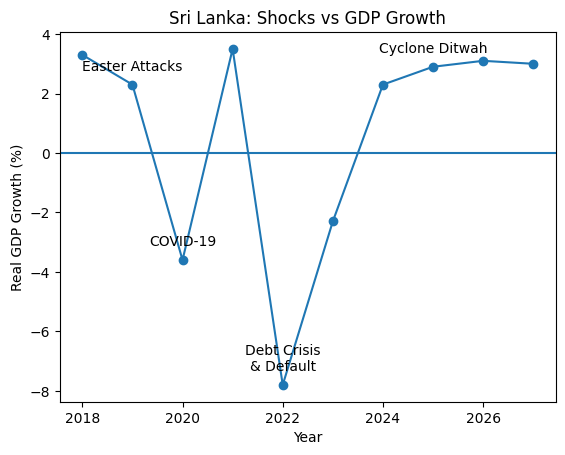
Last December, the country recorded a peak monthly remittance of $879.1 million. The increase in remittances corresponds with a growing number of Sri Lankan workers seeking employment abroad, a trend that has intensified as the nation recovers from a severe economic crisis in 2022.
The rise in official remittances has been facilitated by the Central Bank’s decision to eliminate the parallel exchange rate regime in 2022, which had caused many expatriates to rely on informal transfer methods. Since declaring bankruptcy in 2022, the government has aimed to send more skilled laborers abroad to generate increased foreign exchange earnings.
Submit Your Press Release
Get your company news, announcements, launches, appointments and events in front of a wider audience.


In 2021, there was a significant decline in remittances through formal channels as many expatriates opted for informal transfer options that offered better rates. This shift occurred after the Central Bank engaged in money printing to manage interventions and maintain lower policy rates, leading to the emergence of parallel exchange rates outside the formal banking framework.
From April 2022 onward, interest rates were raised to unprecedented levels, resulting in a slowdown in credit and reducing the necessity for money printing to control rates. Subsequently, the Central Bank adopted a more accommodating monetary policy until May of this year. (Colombo/ October 17/2026)