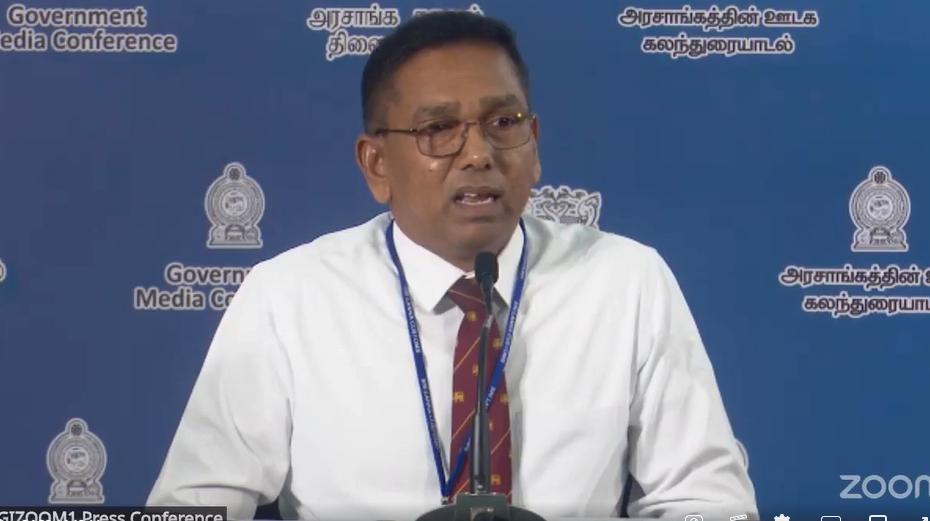
FINANCIAL CHRONICLE – Sri Lanka is facing new challenges in combating drug trafficking, particularly through e-commerce platforms and visitors arriving from Thailand, according to Director of Customs Chandana Punchihewa.
“Most often, drugs come into the country through well-known e-commerce platforms,” Punchihewa informed reporters. “These sales that occur via internet transactions present a new challenge, as they are very difficult to track. The companies operate based on the data provided to them and are not aware of what exactly is inside the parcel.”
Punchihewa noted that Sri Lanka had previously maintained a lax policy regarding internet purchases. “For a long time, the volume of goods entering through e-commerce platforms was minimal, so we largely disregarded them. It was only last year that we began to regulate the industry. Sometimes, due to the trivial value of such goods, we didn’t even charge taxes on them,” he explained.
Upon realizing that drugs were entering the country via these channels, officials began to strictly implement Customs regulations. Punchihewa indicated that local authorities sometimes receive tips about specific parcels through international connections with customs officials and the World Customs Organization.
Another significant challenge highlighted was the increasing trend of drugs, such as cannabis, being smuggled into the country by visitors from Thailand, where cannabis has been legalized. So far this year, three arrests related to this matter have been made.
Sri Lanka and Thailand have a visa-free travel policy, which further complicates the situation. In 2025, Sri Lanka Customs made a total of 147 drug-related arrests, seizing 435 kilograms of various drugs with a street value of 5.8 billion rupees. This haul included 376 kilos of cannabis, 32 kilos of cocaine, 14.6 kilos of MDA, 8.5 kilos of meth, 3.6 kilos of heroin, and 2 kilos of other drugs.
Punchihewa stated that 283 kilos of these drugs were detected at the Bandaranaike International Airport, with 14.4 kilos identified through Customs inspections, 97 kilos intercepted at the central mail exchange, 21 kilos from unaccompanied parcel services (UPS), and 19 kilos discovered in passenger goods warehouses.
(Colombo/Ma26/2026)