Sri Lanka is projected to spend approximately 1,000 billion rupees (about 3.5 billion US dollars) on Ditwah relief and recovery efforts over the next three years, according to Deputy Treasury Secretary A. K. Seneviratne.
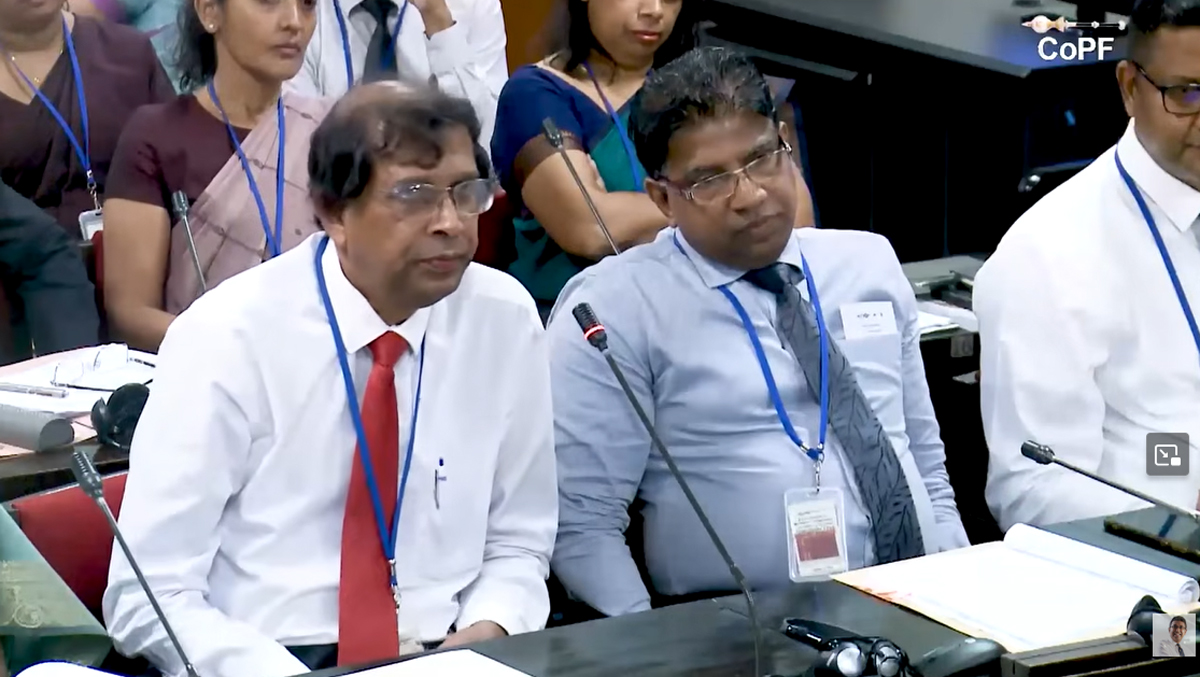
Speaking before the Committee on Public Finance, Seneviratne stated that around 75 billion rupees is being allocated to Ditwah relief in December 2025. Of this amount, 50 billion rupees was approved by Parliament through re-allocated spending. For 2026, Parliament has approved an additional 500 billion rupees in extra expenditure, which includes 115 billion rupees earmarked for strengthening slopes on key roads. An estimated 100 billion rupees in re-allocated spending is also set to support Ditwah relief and recovery in the same period.
President Anura Kumara Dissanayake informed Parliament that re-allocated spending in 2025 is expected to reach approximately 130 billion rupees. Some recovery activities, such as the rebuilding of bridges, are anticipated to take 18 months or longer, according to Road Development Authority Director General Wimal Kandamby.
Looking further ahead, between 2027 and 2028, Seneviratne noted that an additional 300 to 350 billion rupees is likely to be spent on Ditwah relief, bringing the total estimated expenditure to around one trillion rupees. Of this total, about 400 billion rupees will be directed toward livelihood support and recovery initiatives.
Seneviratne also acknowledged that Sri Lanka will exceed the 13 percent of GDP limit on primary spending, as established by public finance law, by approximately 1.4 percent in 2025. However, he assured that Ditwah-related spending will remain within the 13 percent limit in 2027 and 2028. Recent tax reforms are expected to generate additional revenue equal to about 0.3 percent of GDP over the coming years.
The 13 percent spending cap is viewed as a key fiscal safeguard for taxpayers, aiming to curb excessive government expenditure. Despite past investments in large-scale projects and state enterprises—many of which have been criticized as unproductive—debates continue regarding the merits of capital spending, influenced in part by anti-austerity advocates and certain economic narratives.
During the Committee on Public Finance meeting, Treasury officials came under scrutiny for reallocating funds toward higher-priority Ditwah spending, despite efforts to maintain fiscal discipline in the aftermath of the country’s sovereign default.