Sri Lankan authorities have been urged to enforce laws against violent tactics employed by tuk-tuk driver associations targeting PickMe and Uber drivers who offer lower fares. Information and Media Minister Nalinda Jayatissa highlighted concerns over the island’s reputation as a safe tourism destination being at risk.
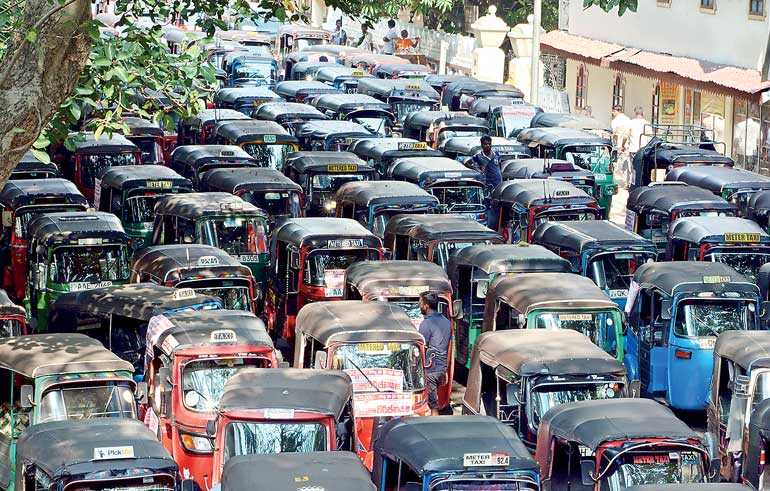
In several tourist hotspots, regional tuk-tuk driver associations have reportedly intimidated fellow drivers using ride-hailing apps like PickMe and Uber. These drivers have been competing by charging lower fares to both foreigners and locals.
“Whether or not there is competition, using mafia tactics is wrong,” Minister Jayatissa stated. “The law can be enforced, and the police are taking action. Employing mafia tactics or violence is unacceptable.”
PickMe, a leading ride-hailing app company, has protested that police have been ignoring the violence and intimidation faced by their drivers from other tuk-tuk operators. “I believe one or two arrests have been made,” Minister Jayatissa remarked.
Victims have voiced their concerns on social media, alleging that some policemen are siding with the tuk-tuk associations because they own tuk-tuks themselves and benefit from overcharging.
Tuk-tuk associations have staged public protests in several areas, claiming their right to overcharge customers. The practice of collusive or mafia-style pricing first appeared in the tourist hotspot of Ella and has since spread to other regions.
Following a spike in tuk-tuk fares due to the collapse of the rupee, three-wheeler associations began announcing collusive fares via press conferences, undermining fair competition. Drivers who attempted to reduce fares to 85 to 90 rupees per kilometer after petrol prices fell were intimidated by regional association members and forced to raise prices to 100 rupees per kilometer.
However, in tourist hotspots, travelers are often charged three to five times the normal fare. The tactics employed by these drivers are akin to those used by large companies in the tile, ceramics, and tinned fish industries, which have sought government collusion and import duties. The so-called ‘tinned fish mafia’ has led the government to impose a total ban on imports, reminiscent of policies from the 1970s.
(Colombo/Jan04/2025)