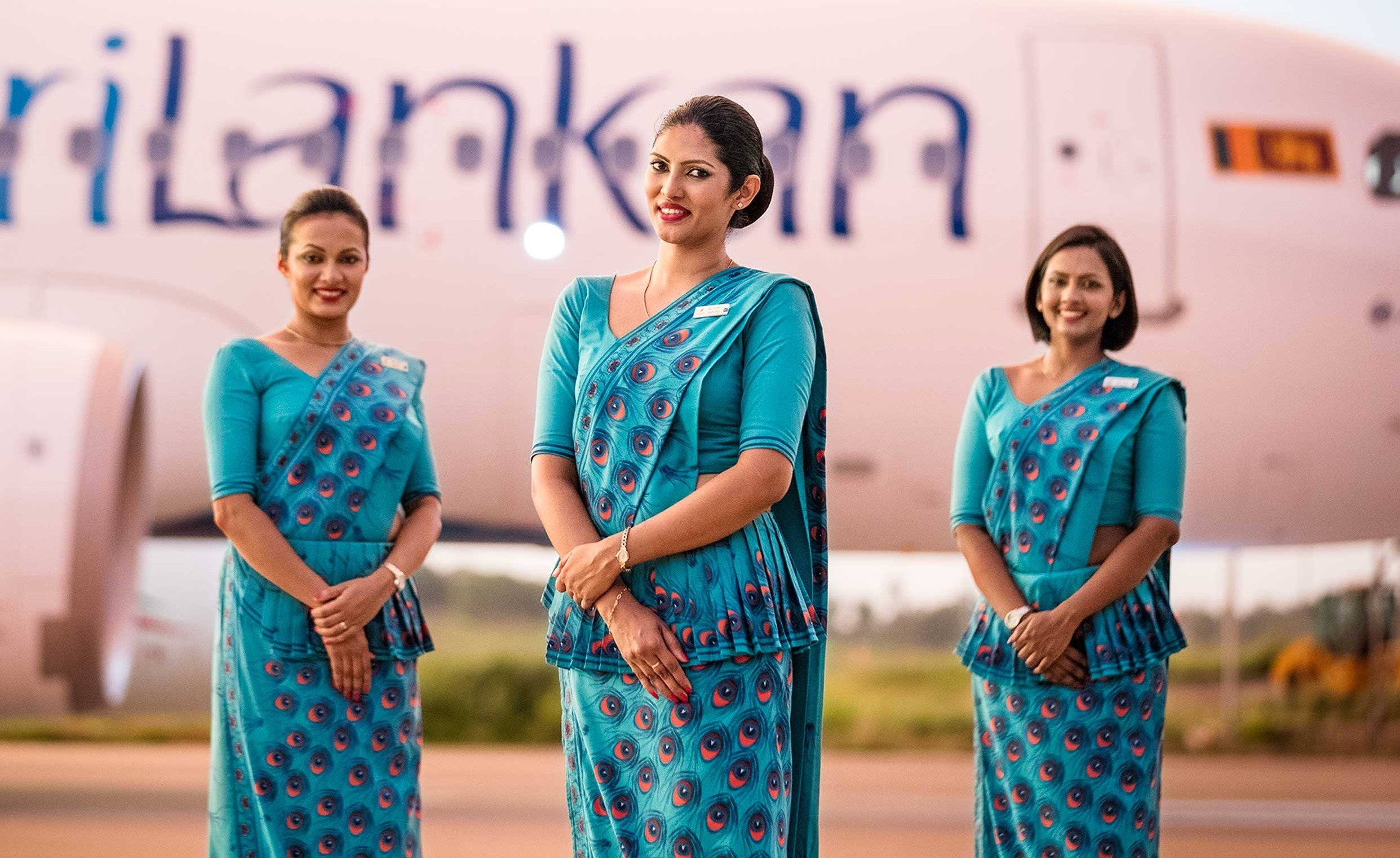
SriLankan Airlines is flying fuller aircraft. Load factors are up. Passenger numbers have recovered with tourism. Routes are stabilising. Operational discipline has improved compared to the chaos years. Yet the bottom line remains fragile.
Why? Because the story of SriLankan Airlines is not just about aviation.
It is about legacy.
The Operational Picture
On the operational front, there are real gains:
Passenger demand has rebounded strongly post-crisis. Load factors are running above 80% on several sectors. The airline has carried over a million passengers in strong quarters.
Cost control efforts have tightened compared to the past decade.
Strip out currency swings and accounting distortions, and the underlying operational loss has narrowed significantly year-on-year.
That is not spin. That is measurable progress. In plain English: the airline is better run today than it was during
its most turbulent years.
But operational improvement does not automatically equal net profit.
Because hovering over the balance sheet is the weight of history.
The Legacy Debt Question
SriLankan Airlines carries billions in accumulated losses and debt — much of it originating from fleet decisions, restructurings, political interventions, and currency shocks from previous administrations.
Servicing that debt means paying interest. Interest does not care whether your aircraft are full.
Interest does not care about improved punctuality. Interest drains cash regardless.
The government has already moved to settle portions of historic liabilities. The strategic direction is clear: clean up the past, then demand operational accountability going forward.
Now the central question emerges: If the Government absorbs the legacy debt — removing the interest burden — does the airline become financially viable? Short answer: materially stronger, yes. Automatically healthy, not necessarily.
What Debt Removal Would Change
If interest costs tied to old borrowings disappear: Monthly cash flow improves immediately.
Net losses narrow sharply. The airline’s financial statements look cleaner.
Investor and lender confidence improves. In effect, the airline would be judged on how it flies — not how it borrowed.
But debt relief alone does not erase: Fuel volatility.
Competitive Gulf carriers.
Fleet optimisation challenges. Cargo revenue fluctuations.
Global aviation cyclicality.
The business must still compete in one of the world’s thinnest-margin industries.
The Strategic Fork
The airline has laid out a five-year plan focusing on:
Fleet rationalisation
Route optimisation Operational efficiency Customer experience upgrades
Those are the right levers.
But success depends on discipline — not declarations.
The Reality Check
SriLankan Airlines is not collapsing. It is not yet thriving either. It is improving operationally while financially constrained by the past. If legacy debt is absorbed, the airline’s reported performance becomes more reflective of its current management rather than historical baggage. That matters.
Because perception drives credit ratings. Credit ratings drive borrowing costs. Borrowing costs drive sustainability. The deeper question is political, not technical:
Will Sri Lanka allow its national carrier to operate as a commercial enterprise — insulated from interference — once the slate is cleaned? Debt relief can reset the runway. But only governance reform keeps the aircraft airborne.
SriLankan Airlines may well be profitable in the air. The challenge is ensuring it is not permanently burdened on the ground.