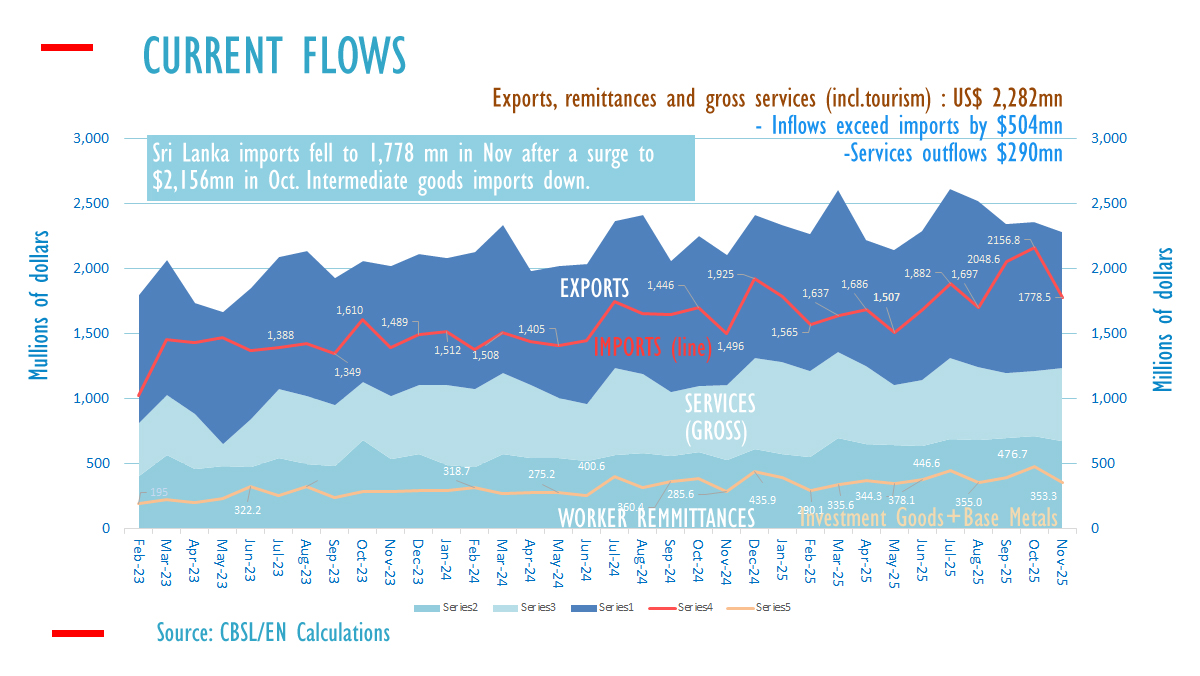
Attorney-at-Law Panduka Keerthinanda – who has served our governments in several capacities over the years – has raised a series of concerns over the cumulative tax measures announced in the Budget, warning that their combined effect risks undermining the competitiveness of Sri Lanka’s export and manufacturing base.
According to coverage of post-Budget reactions, Murtaza Jafferjee, Chairman of the Advocata Institute, described the move to lower the VAT registration threshold from Rs. 60 million to Rs. 36 million as a sensible shift toward a more coherent and efficient tax system, even if the broader reform package contains trade-offs.
The flip side of the argument seems to have more takers – the sentiment being, “we are already taxed heavily”
At the centre of the issue is the further compression of the tax net. The VAT registration threshold has been reduced to Rs. 36 million from Rs. 60 million, drawing a larger segment of small and mid-sized enterprises into full VAT compliance at a time of weak demand and tight liquidity. From January 2025, the VAT rate itself will rise from 15% to 18%, amplifying price pressures and working-capital stress across supply chains.
For exporters, the burden is broader and more structural. A new 2.5% Social Security Contribution (SSC) on export turnover introduces a quasi- turnover tax, detached from profitability. In parallel, income tax exemptions on export profits have been withdrawn across all sectors, including industries such as gems and jewellery that have traditionally relied on preferential treatment to remain viable in highly competitive global markets.
Adding to these pressures, the telecommunication levy has been increased from 15% to 20%, raising operating costs for virtually all businesses, including hose in export-oriented and services sectors where connectivity is a core input rather than a discretionary expense.
The concern, as articulated, is not any single measure in isolation, but the cumulative impact. Together, these changes shift Sri Lanka’s tax regime decisively toward higher indirect taxation, broader base coverage, and reduced sectoral relief—without a commensurate strengthening of support mechanisms for exporters and manufacturers.
Competitiveness in global markets, Mr. Keerthinanda argues, cannot be preserved by fiscal consolidation alone. Exporters price against international benchmarks, not domestic revenue needs. When taxes on turnover rise, exemptions are withdrawn, and input costs increase simultaneously, the margin for absorption disappears. The adjustment then occurs elsewhere—through lower wages, reduced investment, or loss of market share.
The underlying policy question is whether fiscal consolidation is being sequenced alongside a strategy to protect productive capacity. Without targeted measures to support local manufacturers and exporters, the risk is that taxation intended to stabilise public finances instead erodes the very sectors expected to earn foreign exchange and sustain growth.
In that scenario, the fiscal gains may prove temporary, while the damage to competitiveness becomes enduring.