MIDDLE EAST AIR CHAOS LEAVES THOUSANDS OF TOURISTS UNABLE TO LEAVE SRI LANKA
COLOMBO — For thousands of foreign visitors in Sri Lanka, a holiday that was supposed to end with a routine flight home has turned into an unexpected extension of their stay — not by choice, but by circumstance.
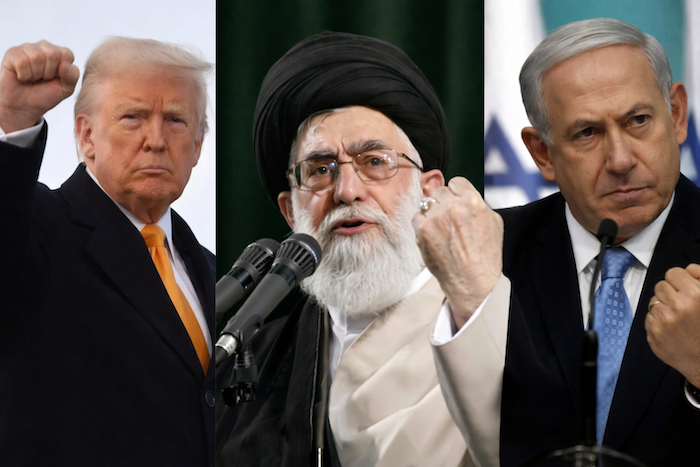
Escalating tensions in the Middle East and the resulting disruption of air routes through the Gulf have left large numbers of travellers unable to leave the island, as airlines suspend or delay flights through the region’s key aviation hubs.
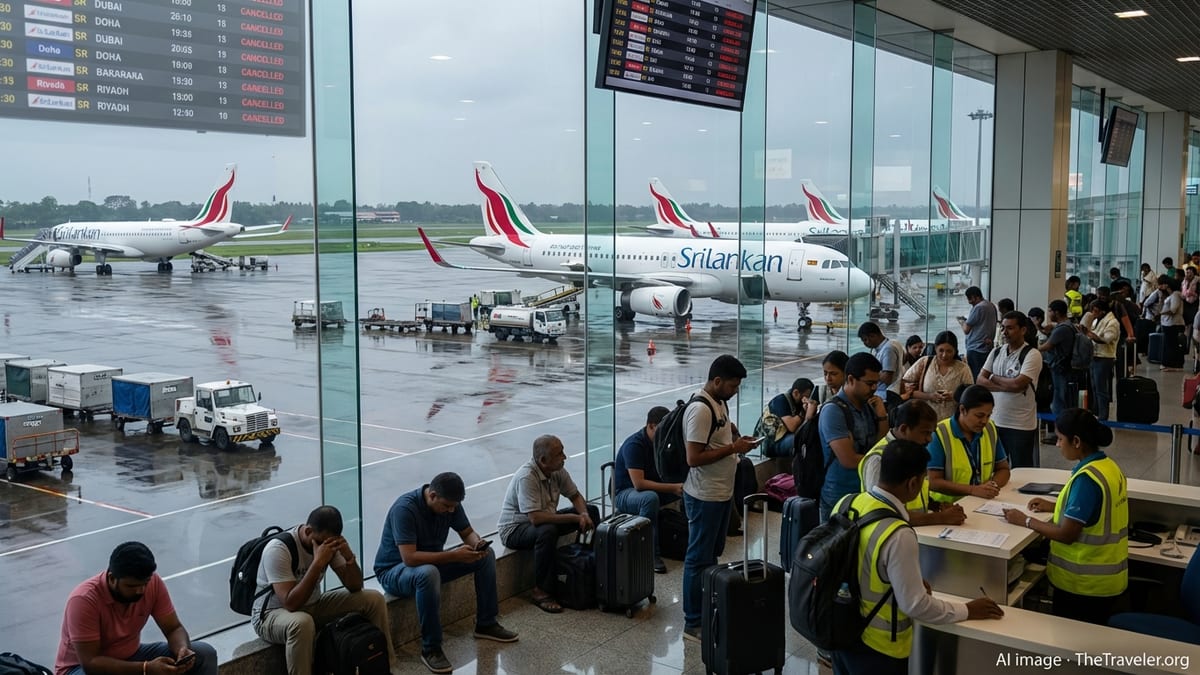
Bandaranaike International Airport, usually a steady conveyor belt of departures to Dubai, Doha and Abu Dhabi, has instead seen a cascade of cancellations and rescheduled flights. With those hubs acting as critical connectors between Asia, Europe and beyond, the disruption has effectively stalled onward travel for many passengers.
For Sri Lanka’s tourism sector, the consequences have been immediate and visible.Visitors who had completed their holidays — many bound for Europe, Russia and other long-haul destinations — suddenly found themselves unable to secure the flights that would take them home.
Industry estimates suggest several thousand travellers are affected. Among them are significant numbers of Russian tourists, many of whom typically transit through Middle Eastern hubs on their return journeys.
Immigration authorities have moved quickly to ease the situation, granting temporary visa extensions to foreign nationals whose flights have been cancelled or postponed.
The decision ensures that stranded visitors can remain legally in the country until airlines are able to resume services or arrange alternative routes. Meanwhile, tourism officials and airport authorities have been coordinating with airlines, hotels and other industry partners to provide assistance to those caught in the disruption.
Sri Lanka’s response, officials say, has reflected a simple priority: ensuring that visitors who arrived as guests of the island are treated accordingly even when circumstances beyond the country’s control intervene.
Several reports indicate that support services — including food and assistance at the airport — have been organised to help travellers manage the uncertainty while waiting for new travel arrangements.
The situation highlights how deeply modern global travel depends on the vast aviation networks centred on the Gulf.
Over the past two decades, airports such as Dubai and Doha have evolved into some of the world’s most important transit points, linking continents through highly efficient hub systems.
When those corridors falter, the effects can be felt thousands of kilometres away.
For Sri Lanka, the irony is unmistakable: a tropical destination known for drawing travellers in has suddenly become a place some visitors cannot leave — at least not yet.For the tourists themselves, the delay may be inconvenient.
For the island’s famed hospitality, it has become an opportunity to demonstrate once again the simple truth of travel: sometimes the journey does not end exactly when expected.
For now, stranded travellers wait — watching flight boards, refreshing airline apps and hoping for the moment when the skies reopen and the journey home resumes.