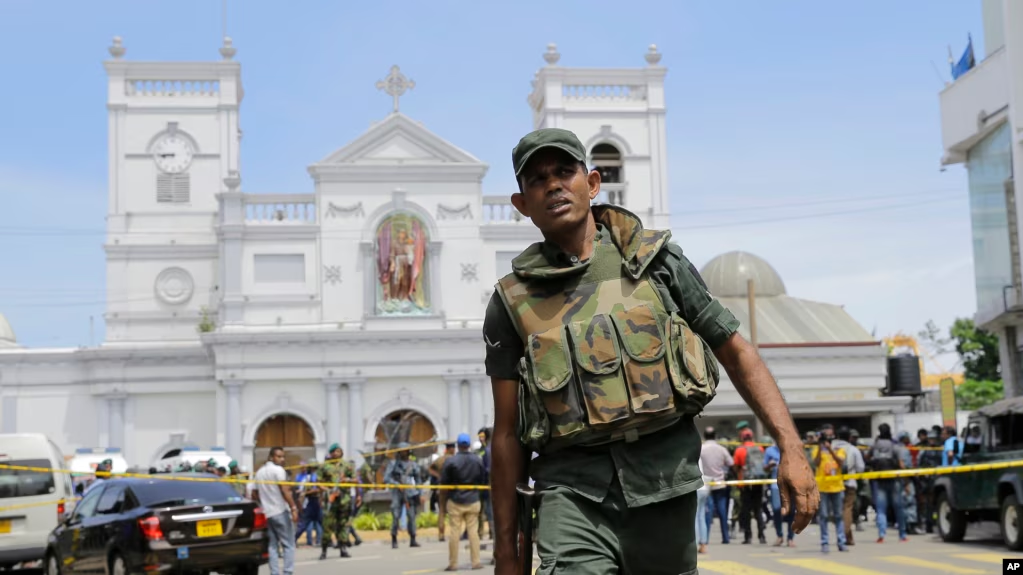
Be that as it may, Sri Lanka is once again being pulled back into its most unresolved national trauma – not by a court, not by a commission, but by a book.
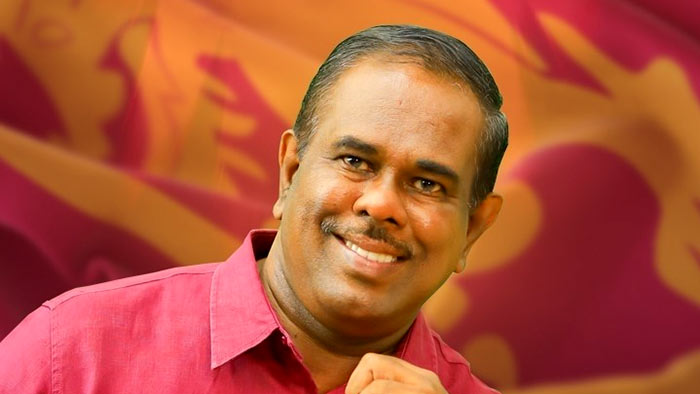
Udaya Gammanpila has stepped forward with a claim that cuts to the core of the Easter Sunday attacks: that the “true mastermind” has yet to be revealed – and that his new publication will change that.
He says it is based on over a year of research. He says governments have misled the public. He says this will end years of deception.
That is not a literary claim.
That is a national challenge.
Because the official record – shaped through investigations, commissions, and prosecutions – has long pointed to extremist preacher Zahran Hashim and the National Thowheed Jamaath as central actors.
Gammanpila is not refining that narrative. He is confronting it.
And in doing so, he reopens a question Sri Lanka has never fully closed.
THE REAL CONTROVERSY
This is not about authorship. It is about consequence. The Easter attacks do not sit in settled history. They sit in contested memory.
Church leadership has repeatedly suggested deeper political accountability. International media investigations have raised uncomfortable questions. Arrests, denials, counter-claims – all of it has left the public with fragments, not closure.
Into that landscape comes a new assertion of “truth.”
But this is where it turns volatile.
If the book identifies individuals – if it names a “mastermind” beyond what has been legally established – it steps out of commentary and into exposure.
And exposure, without judicial backing, carries risk.
Defamation. Retaliation. Legal restraint.
Not speculation – consequence.
There have already been signals that resistance to its release may emerge. That alone tells you the stakes.
THE TIMING QUESTION
Be that as it may, timing in Sri Lanka is never accidental.
The Easter attacks remain one of the most politically sensitive, emotionally charged, and unresolved issues in the country’s modern history.
Any attempt to redefine responsibility is not just investigative.
It is political.
Which leads to the question now being asked, quietly but widely:
Is this an act of truth-seeking?
Or an attempt at narrative-setting? THE NEWSLINE TAKE
This is not a book launch.
It is a direct confrontation with the state’s version of events.
A reopening of a national wound.
And potentially – a legal minefield waiting to be tested. Because in Sri Lanka, truth is not only about what is said.
It is about what can be proven.
THE STING
Sri Lanka never fully answered Easter. Now another answer is on the table.
The real question is not what the book reveals.
It is whether the country is prepared for what it might accuse.